Our Father’s 1938 Buicks
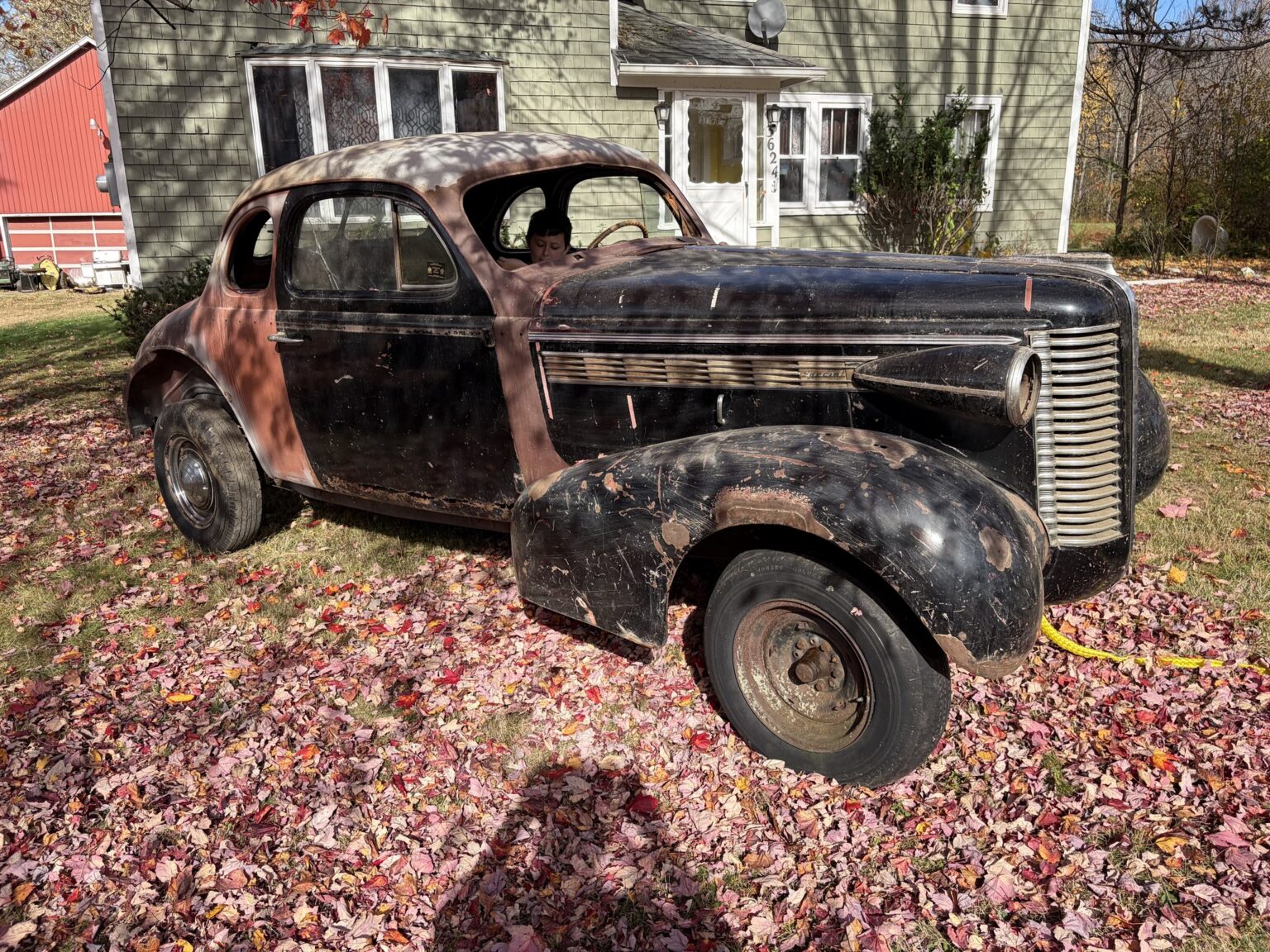
Dad had a true love for these 1938 Buicks.
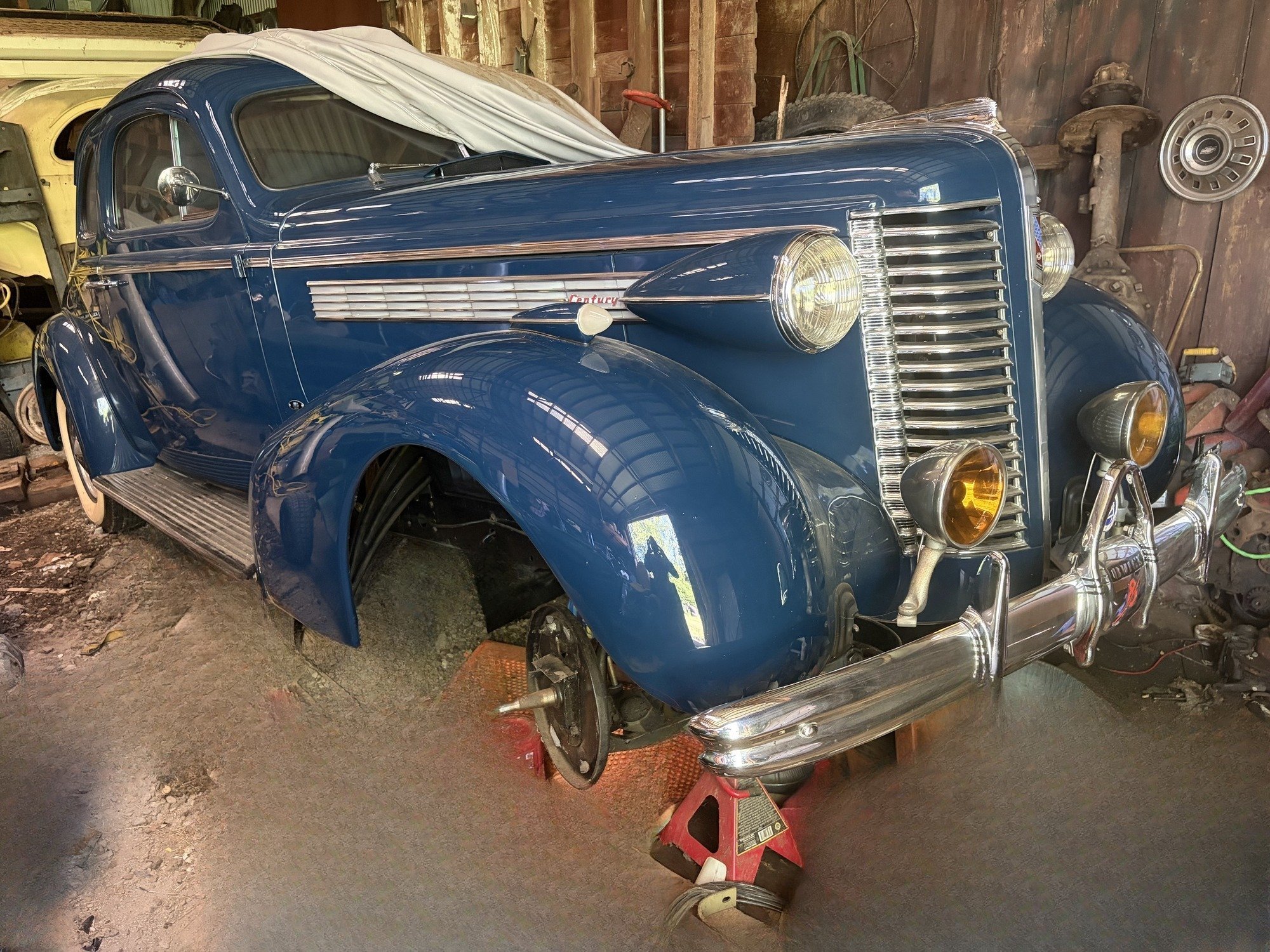
Currently for sale on the 1938 Buick Century page.
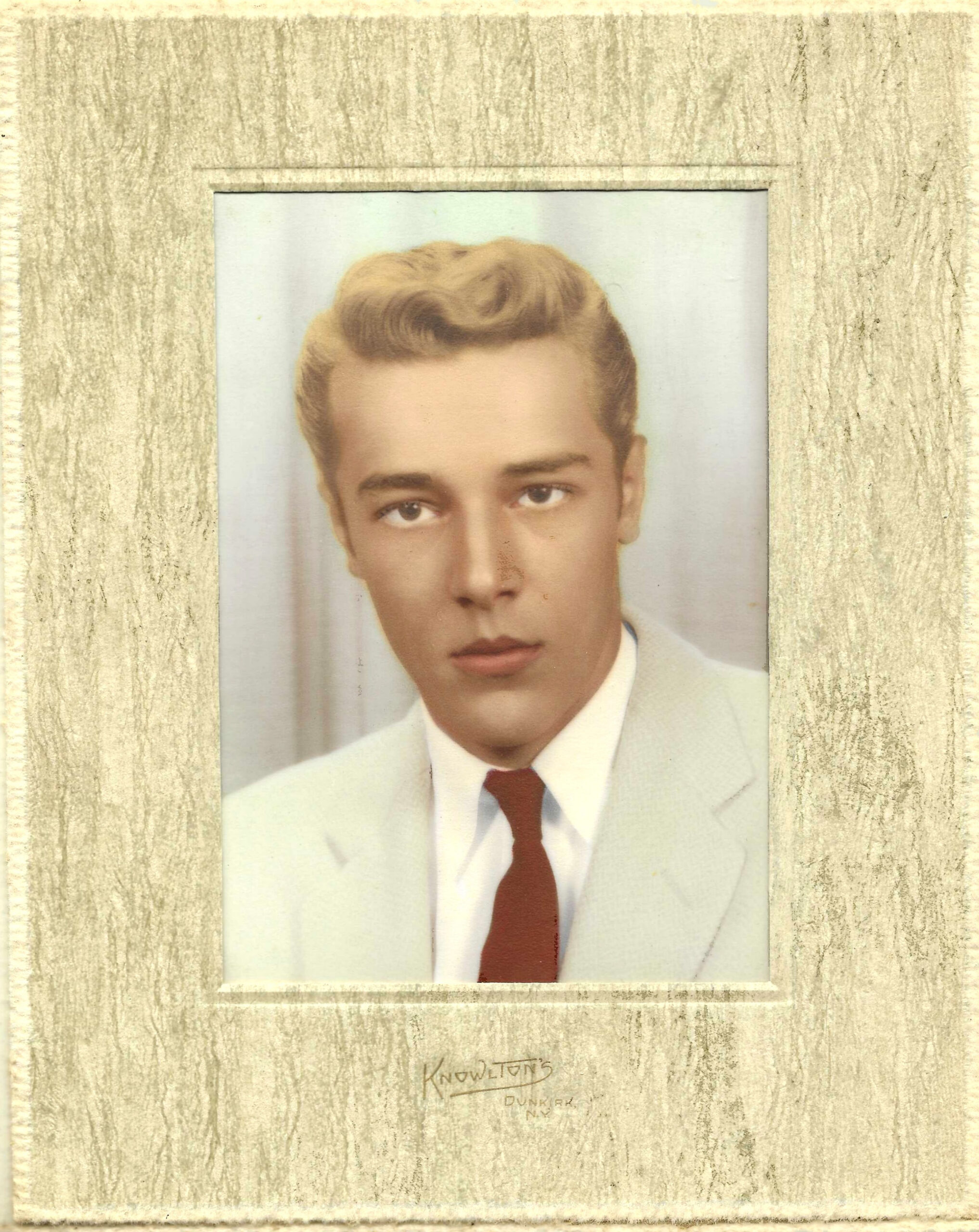
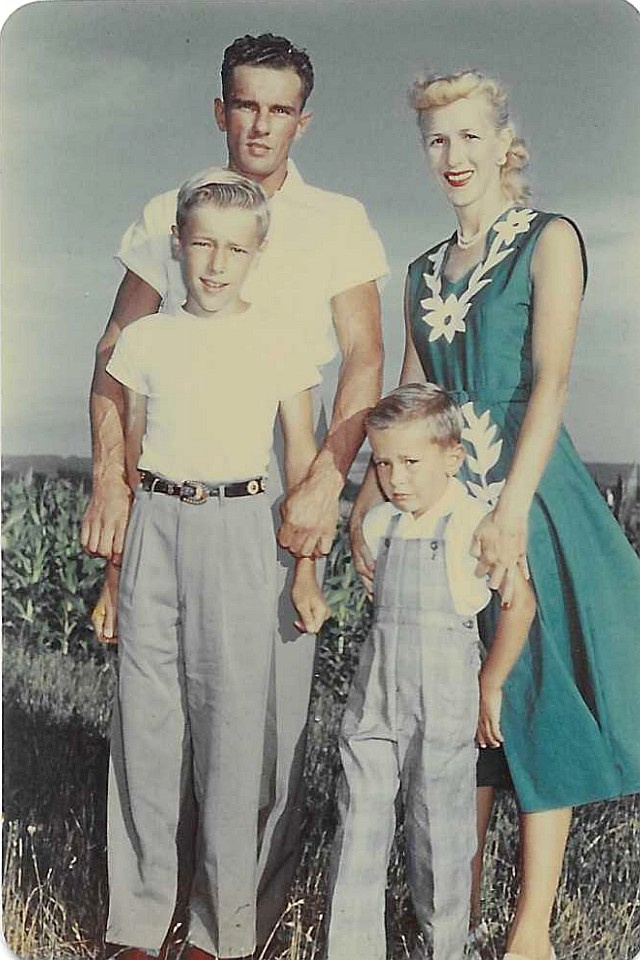
In memory of Dad
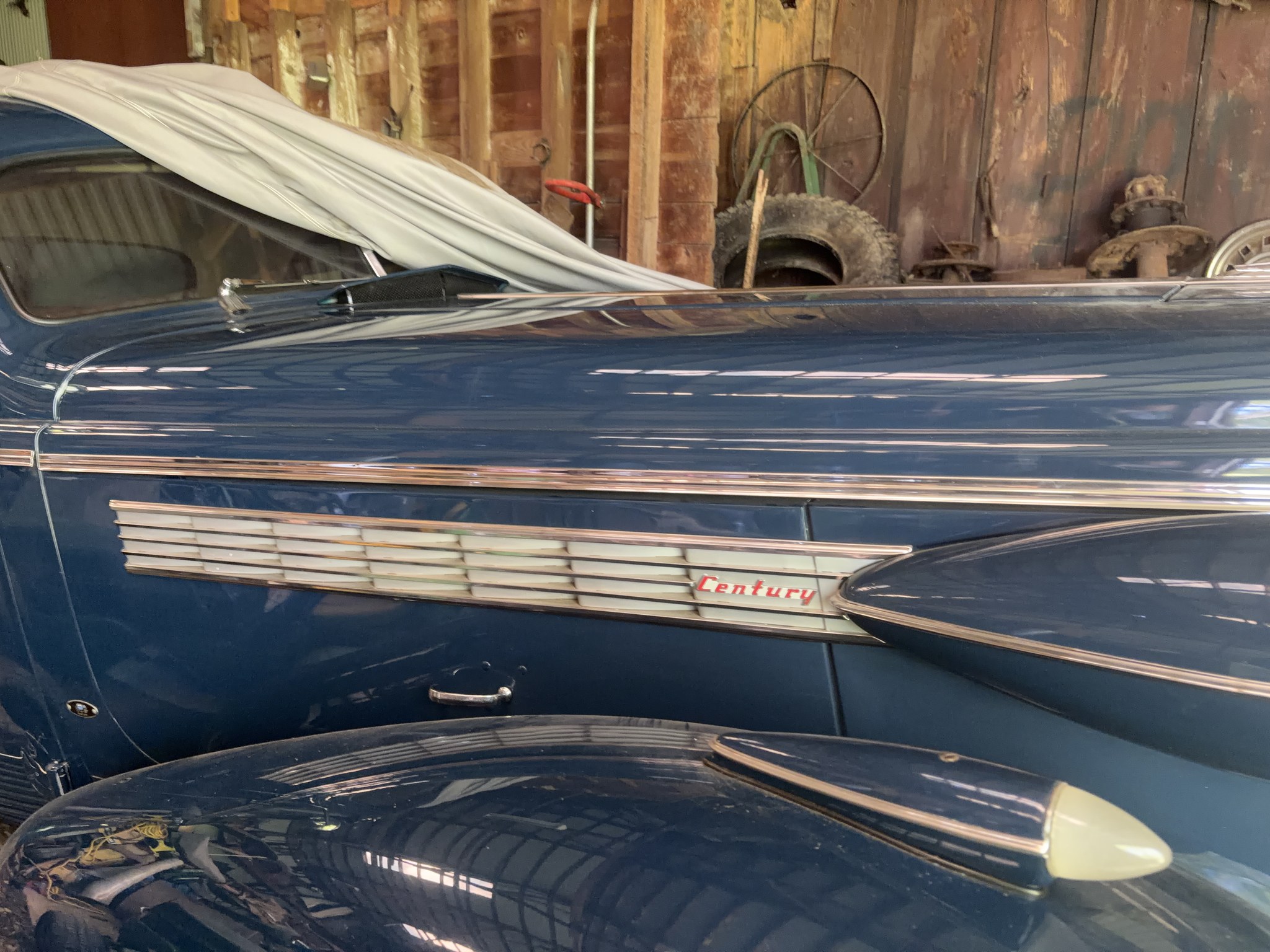
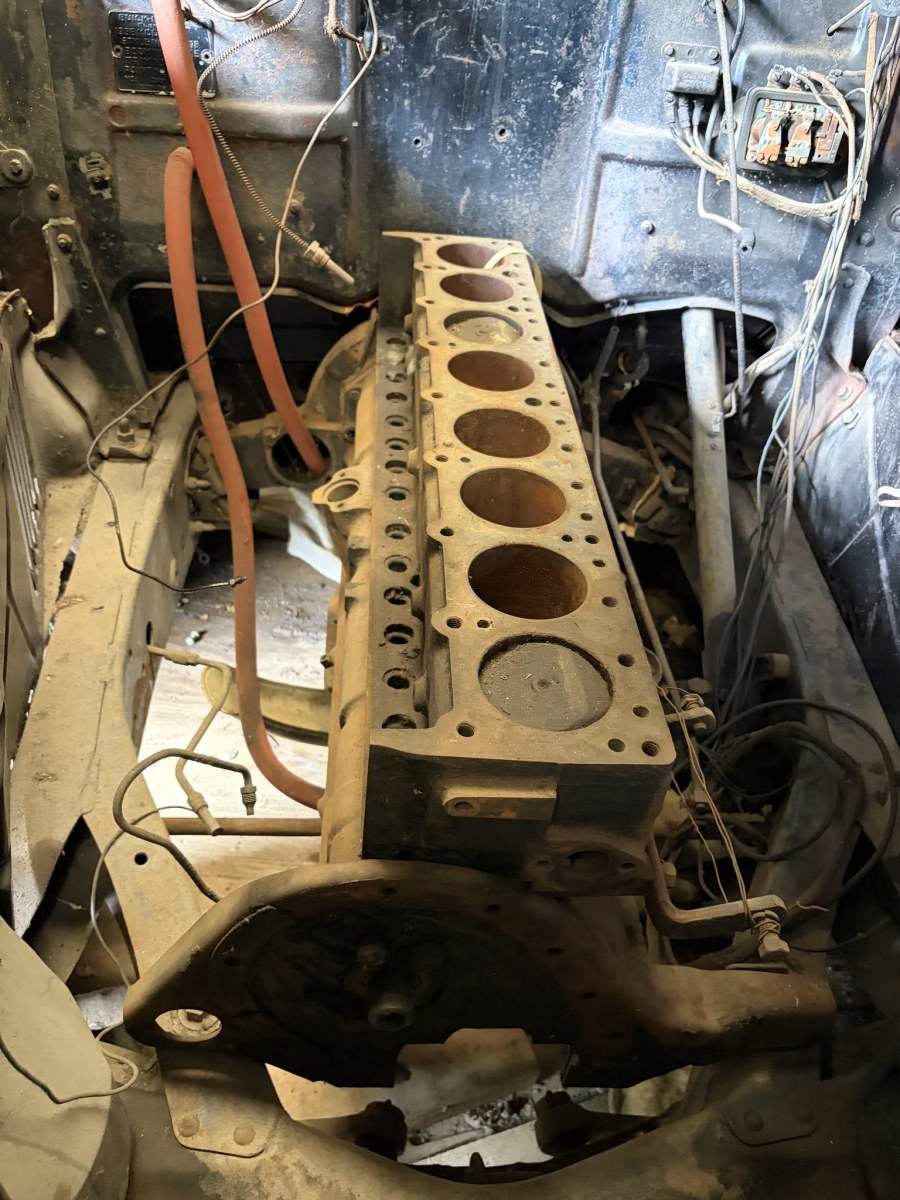
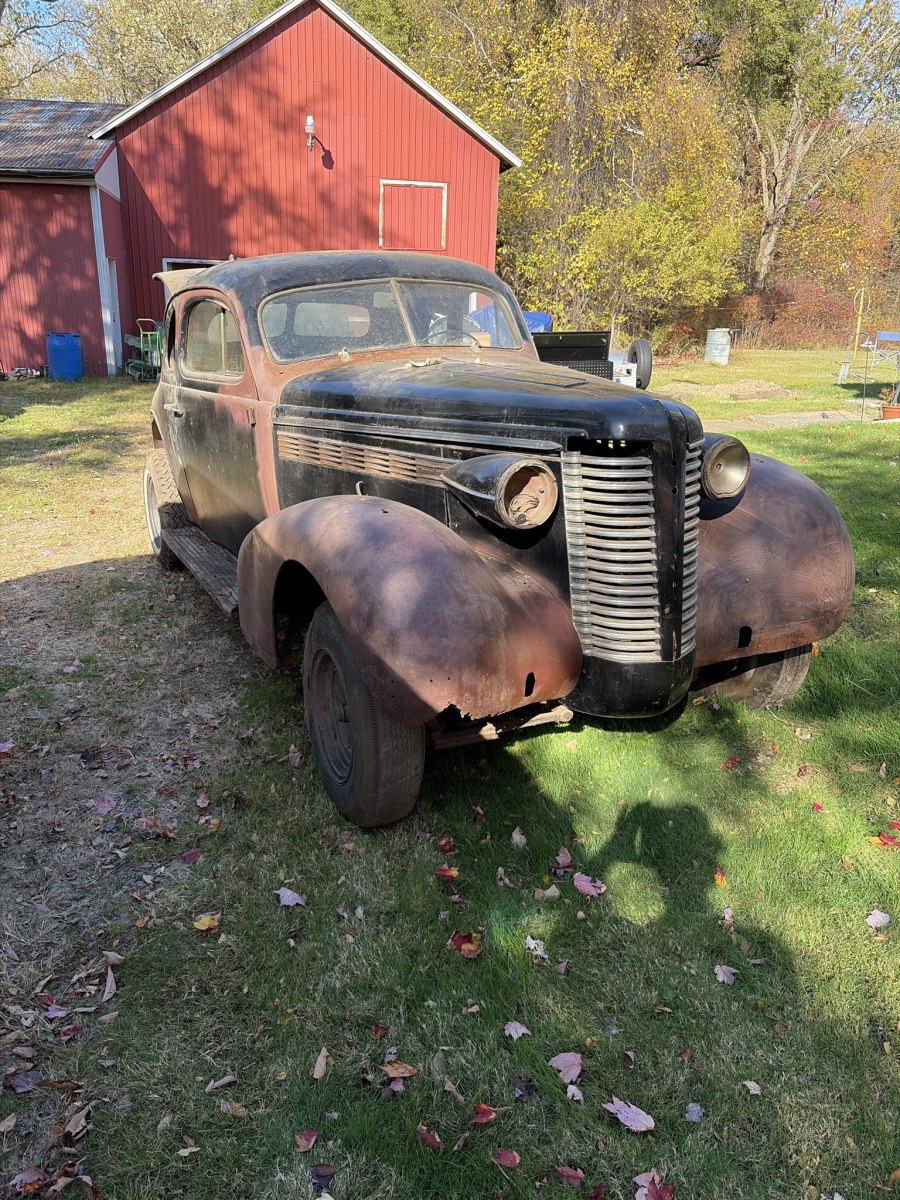
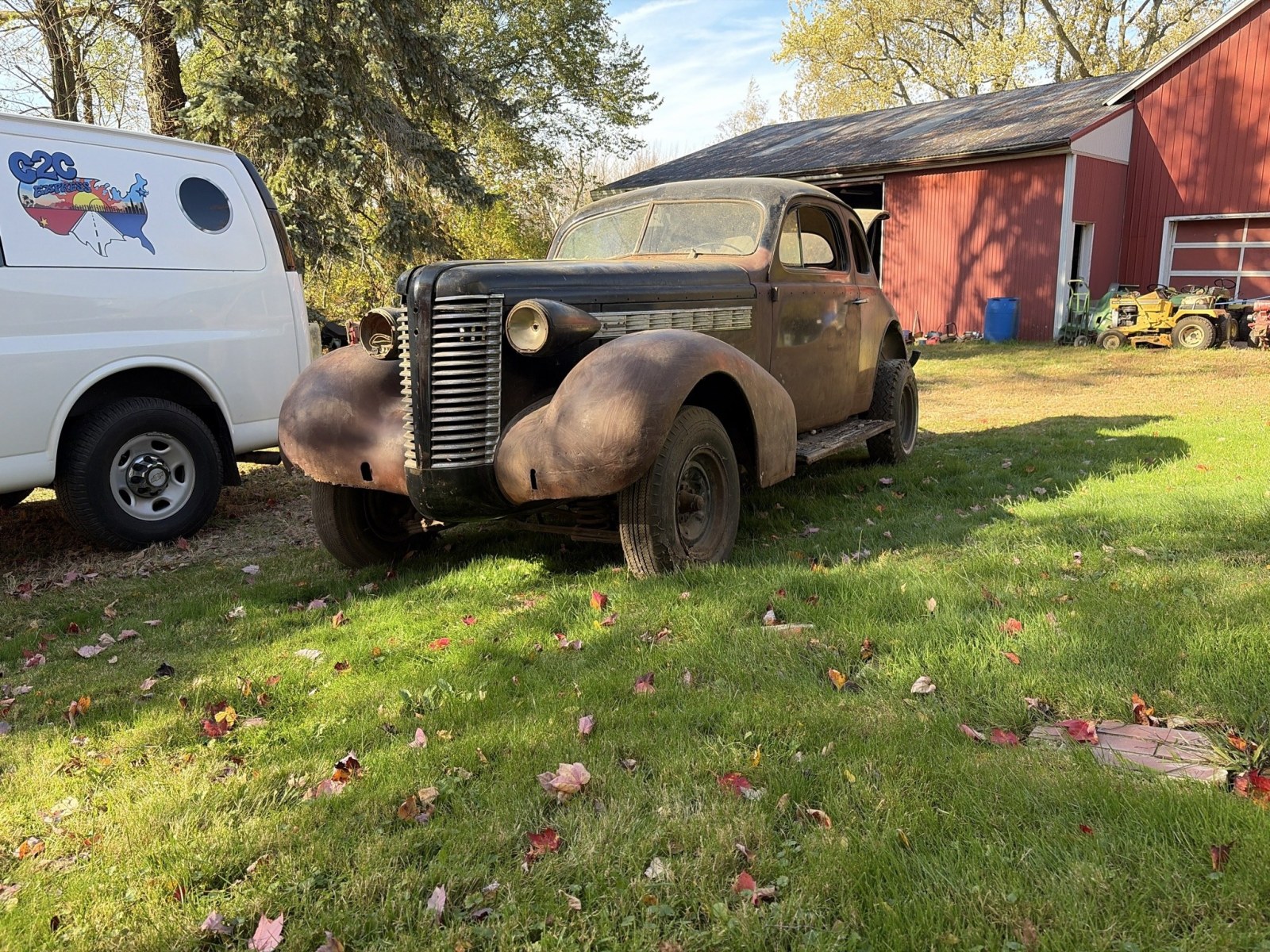
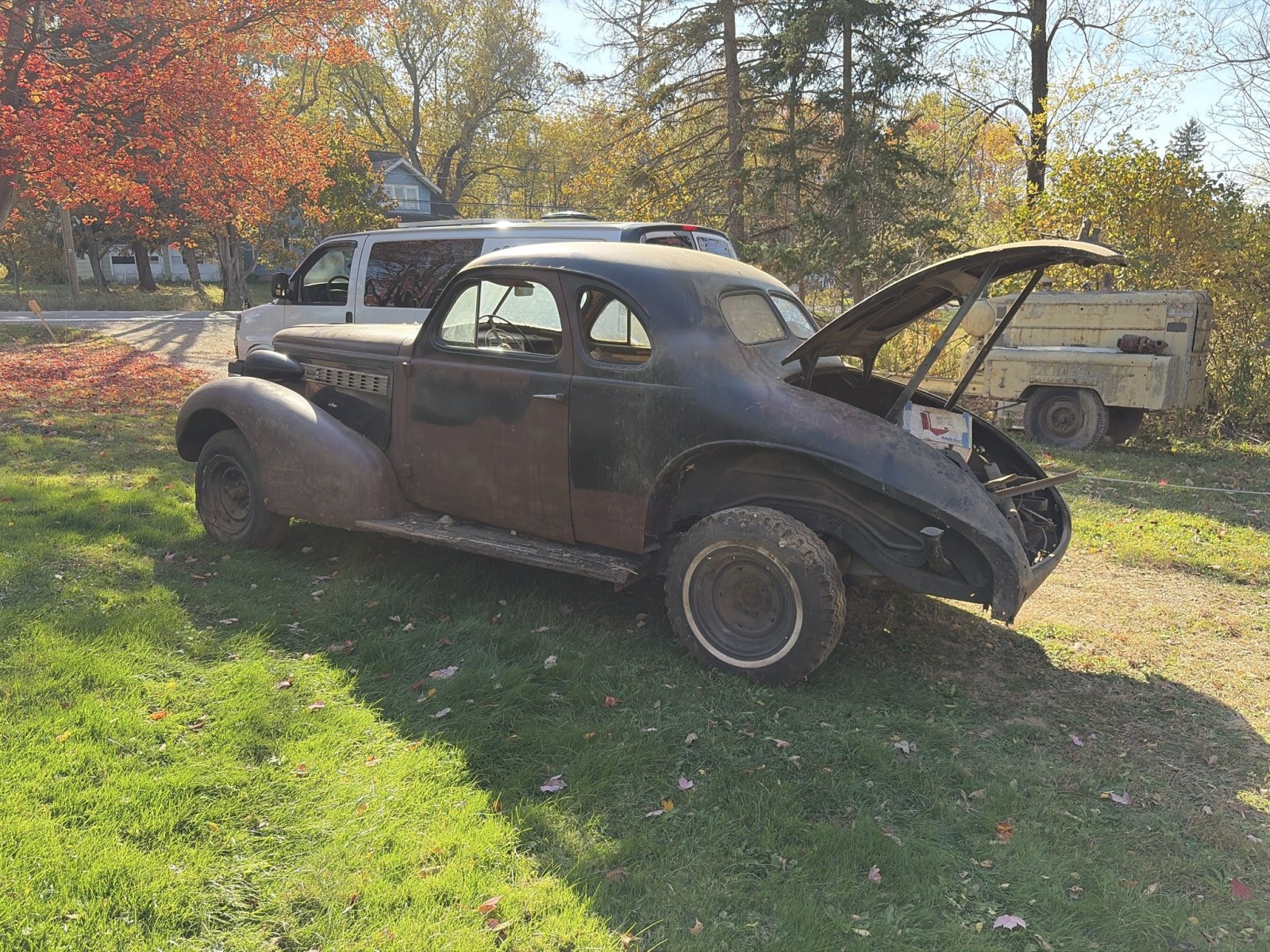
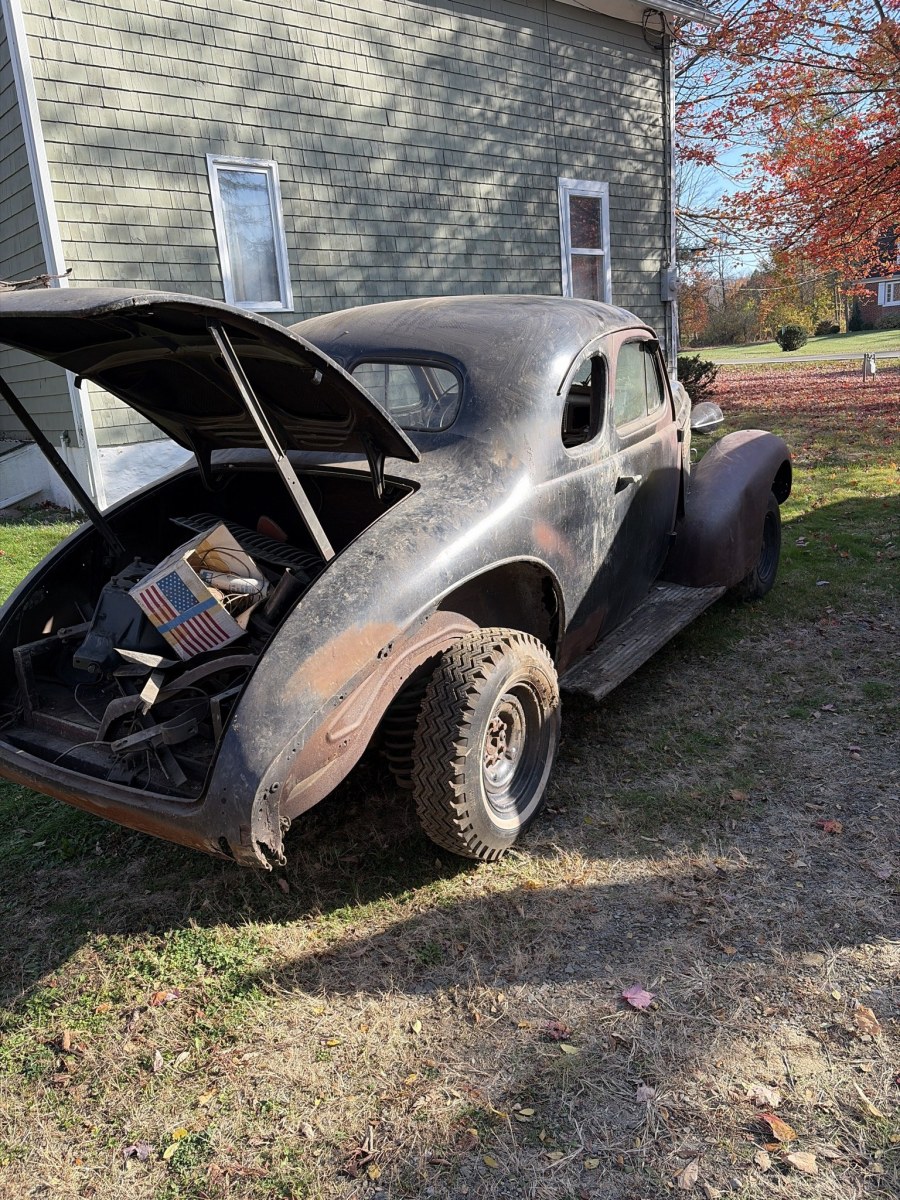
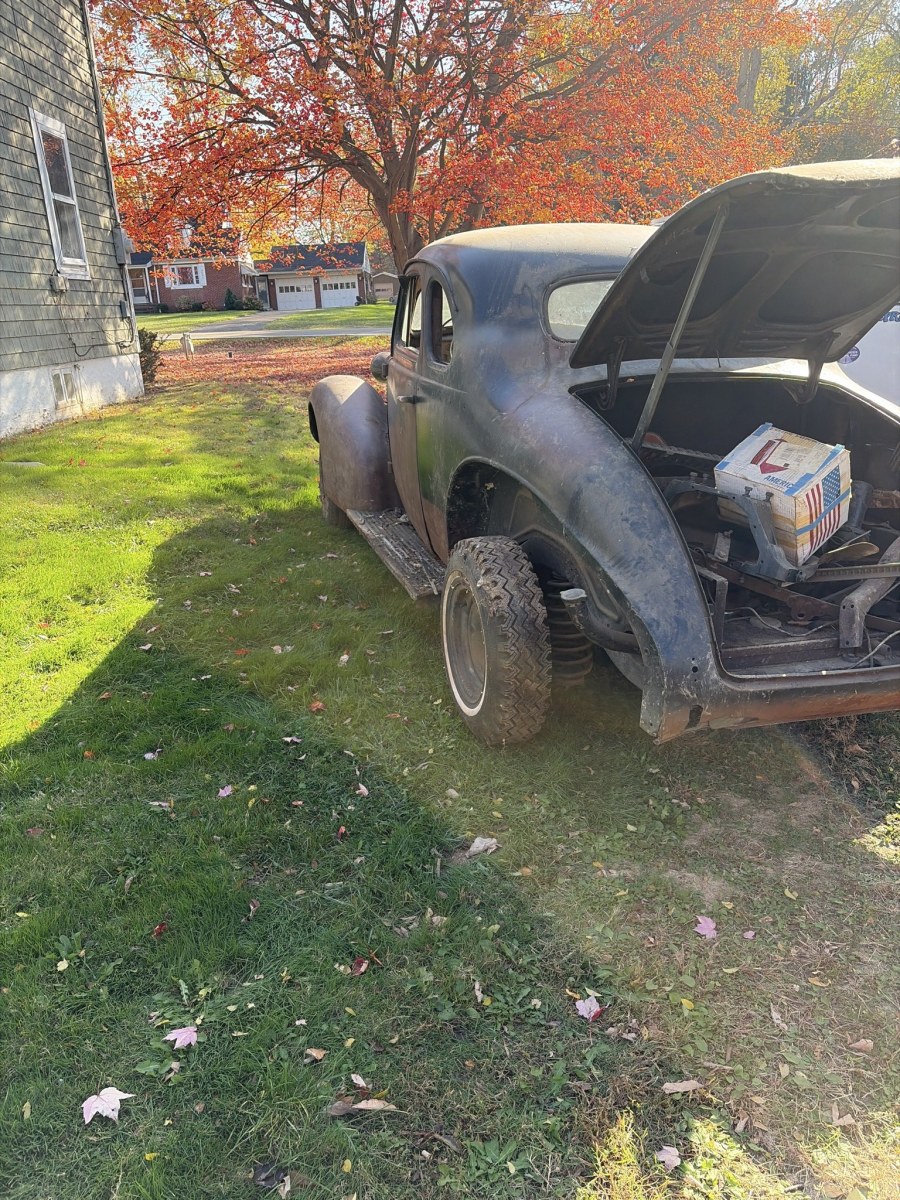
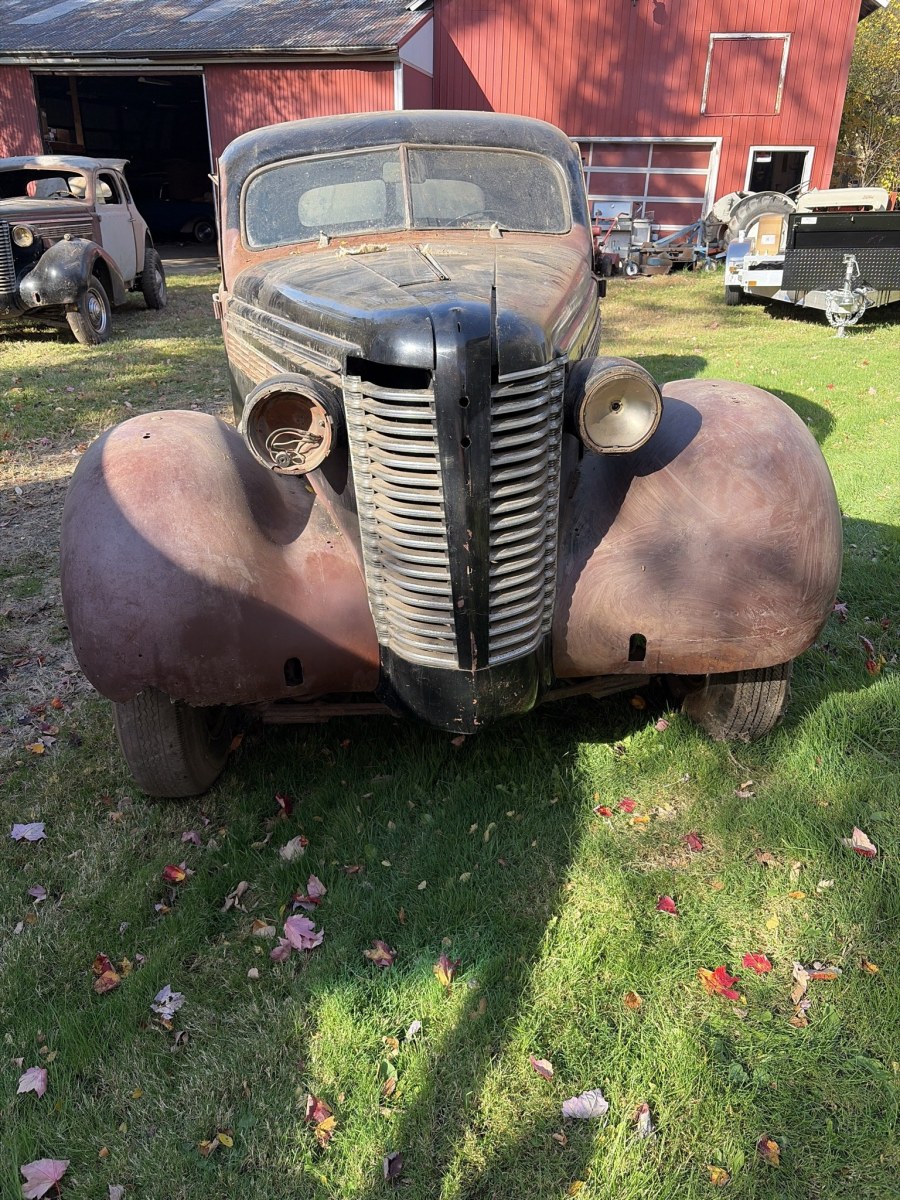
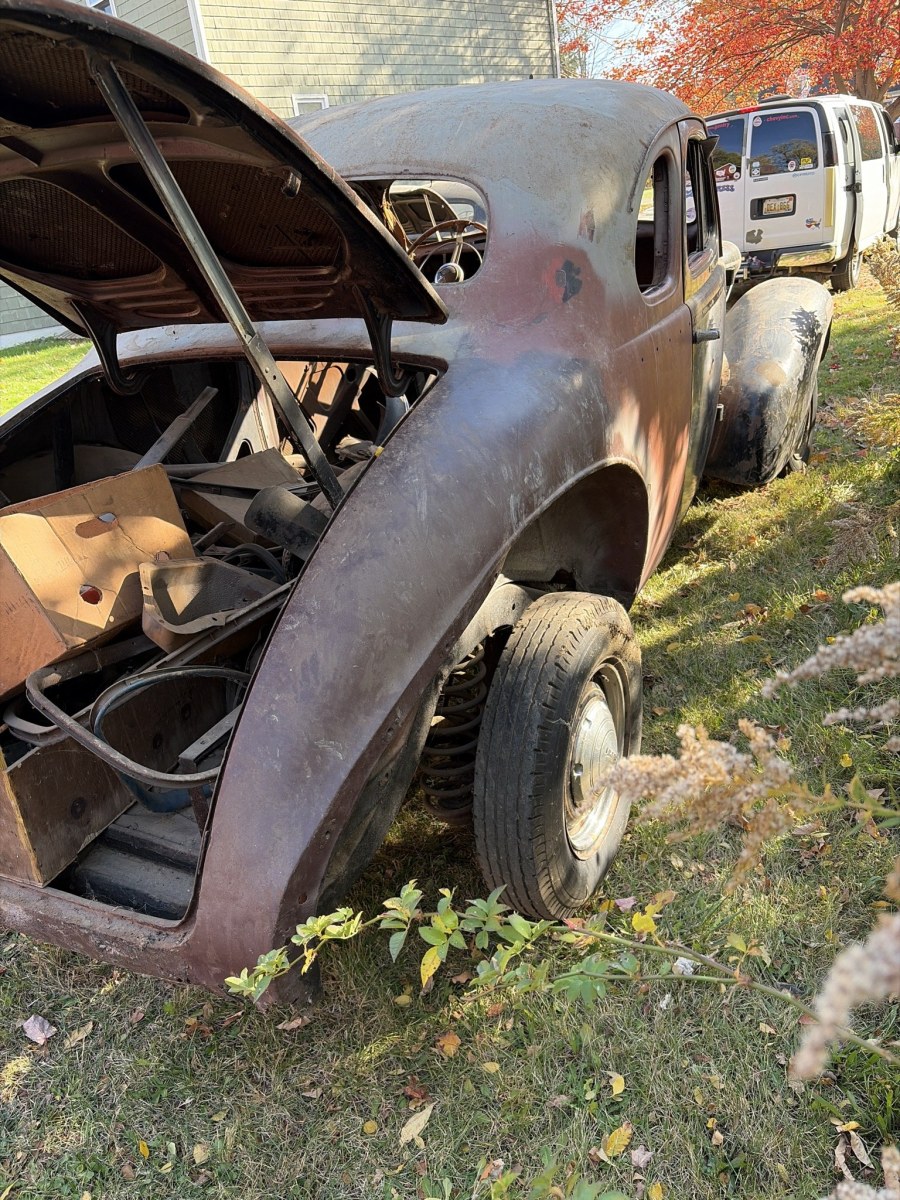
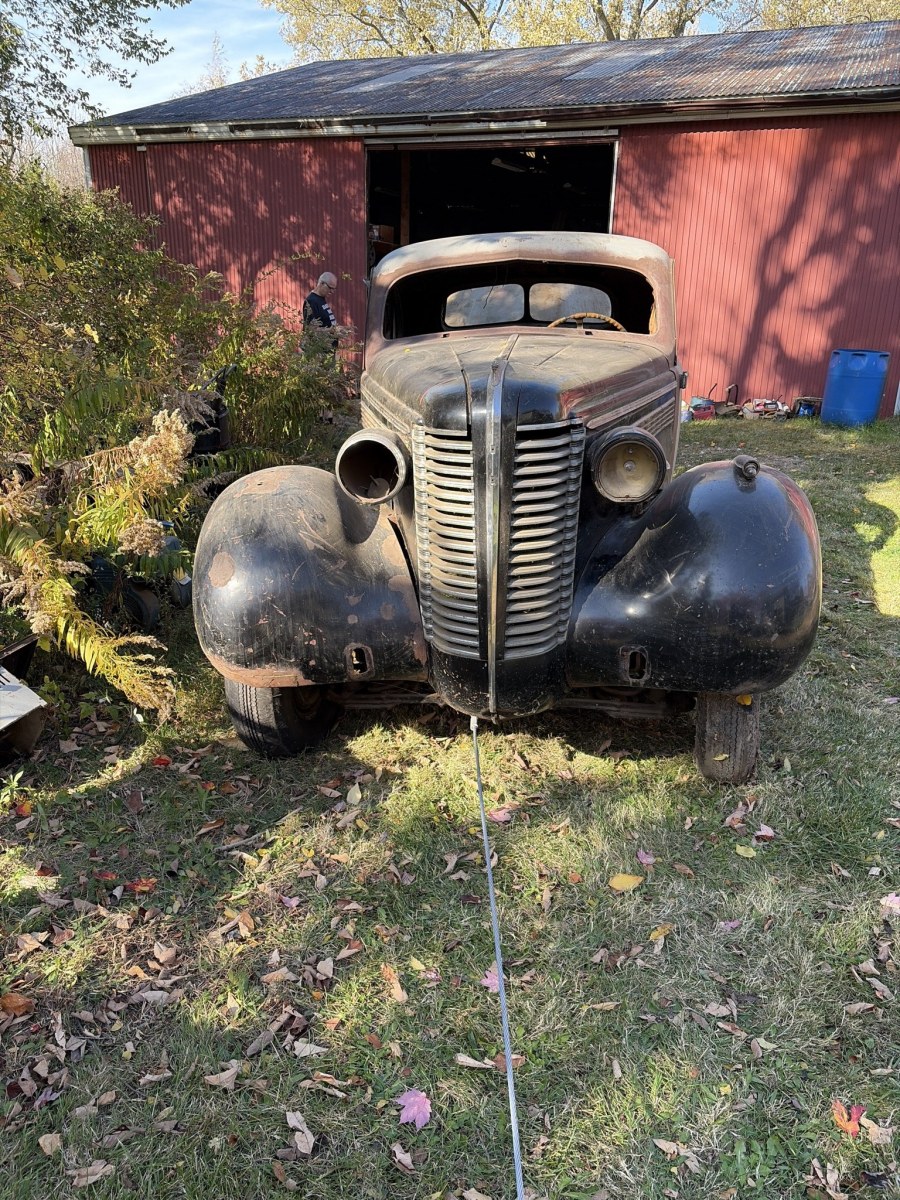
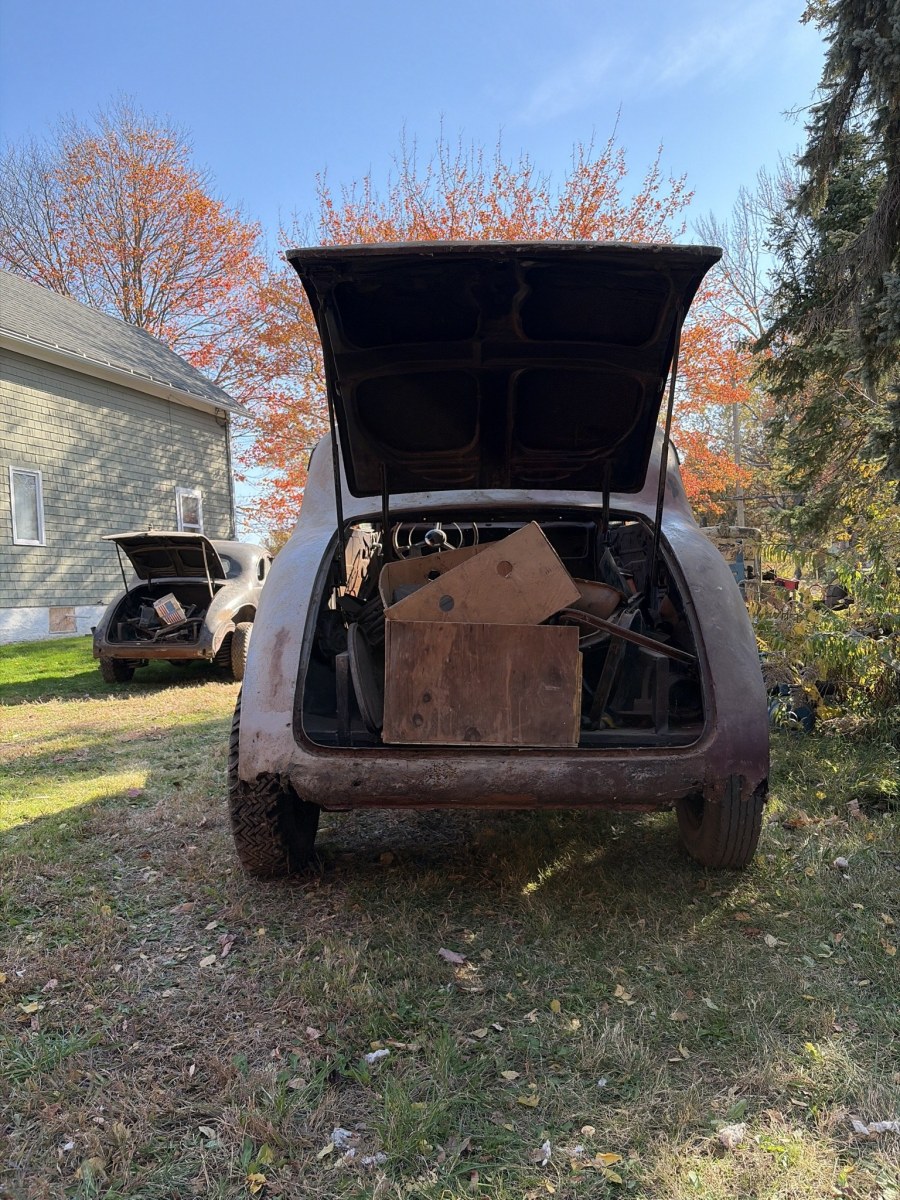
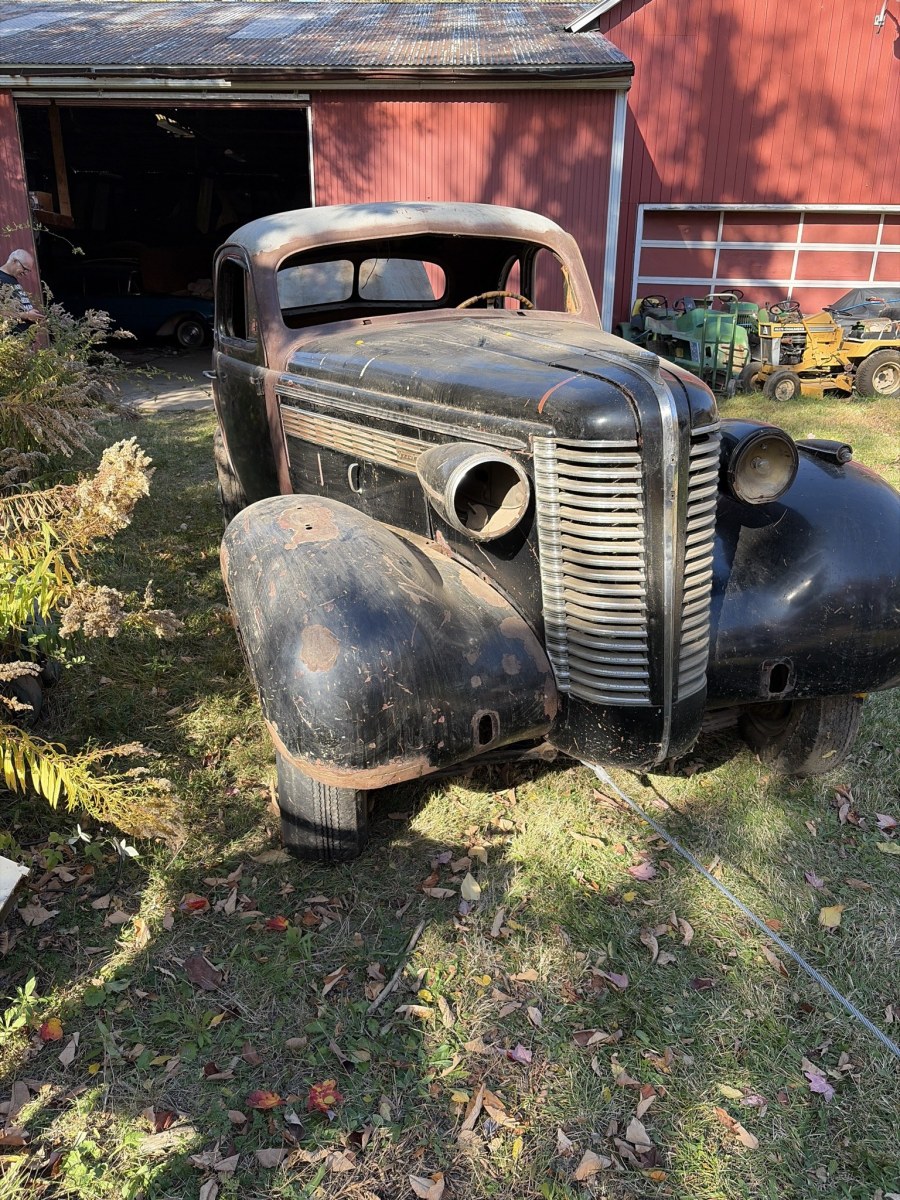
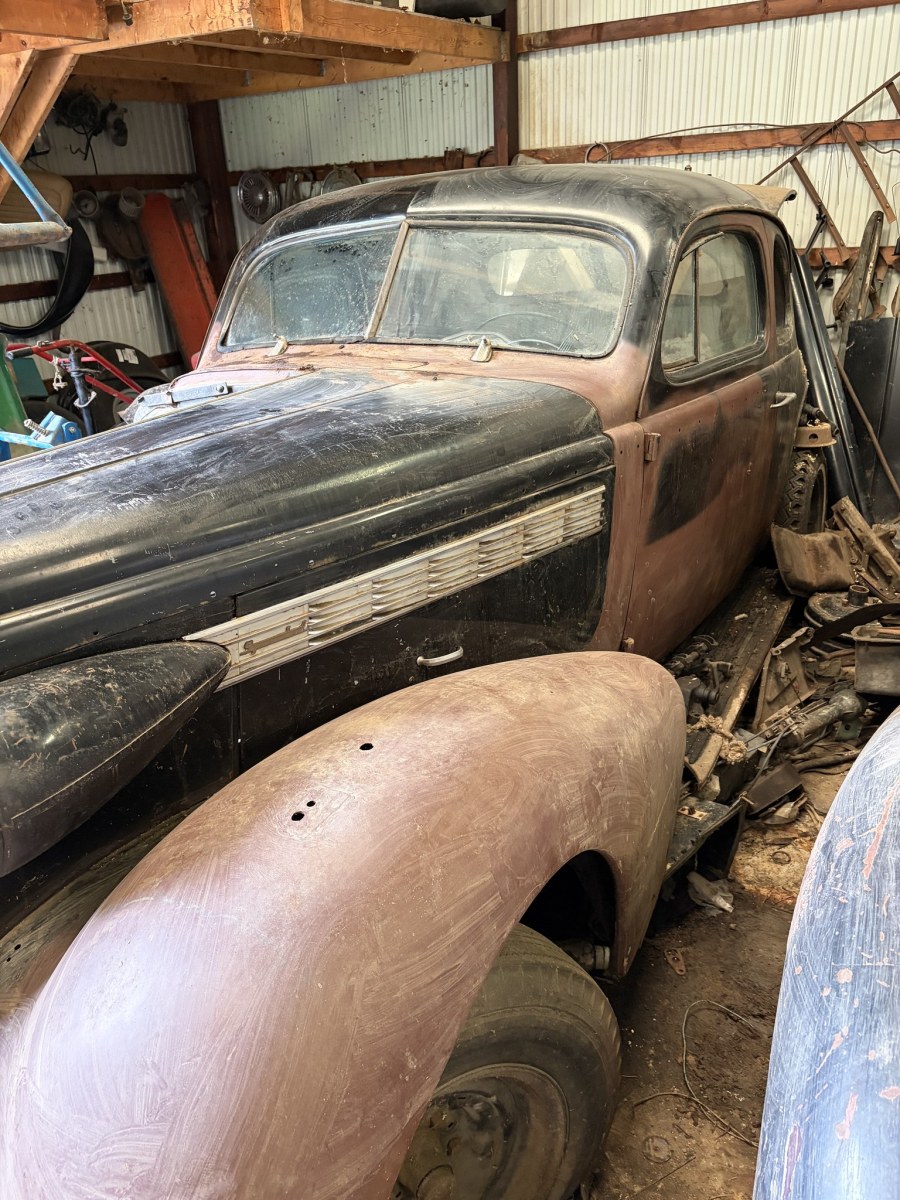
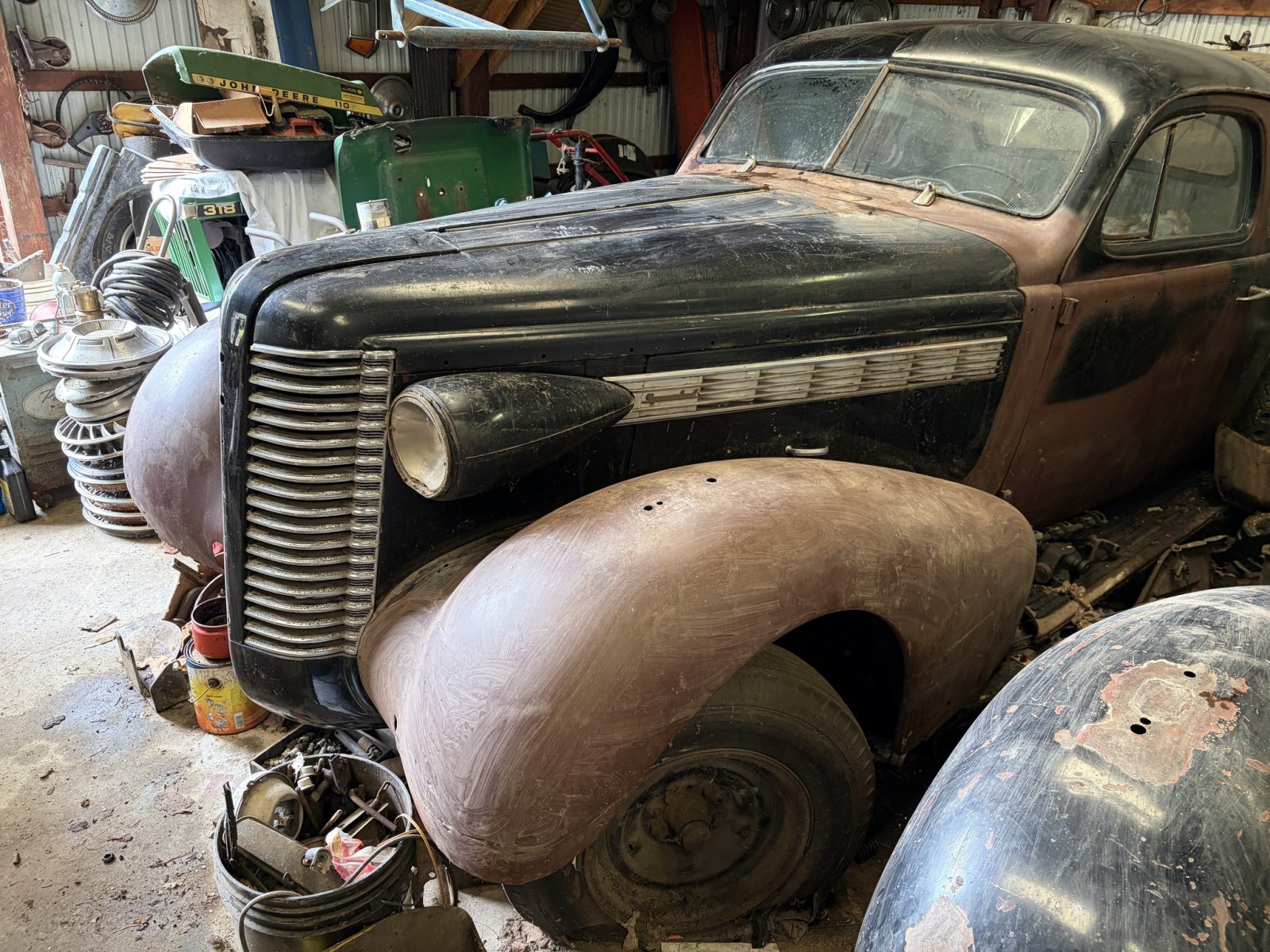
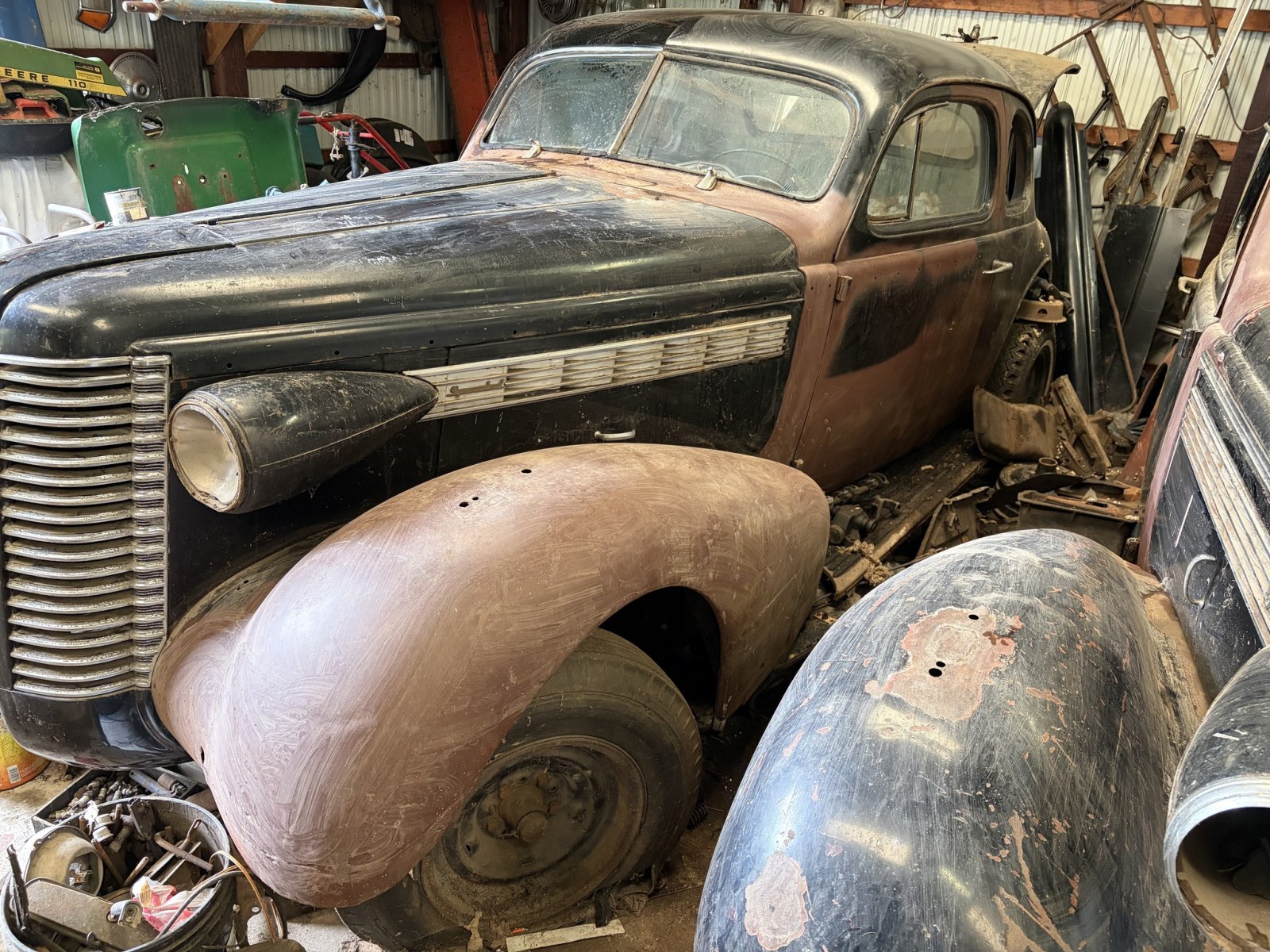
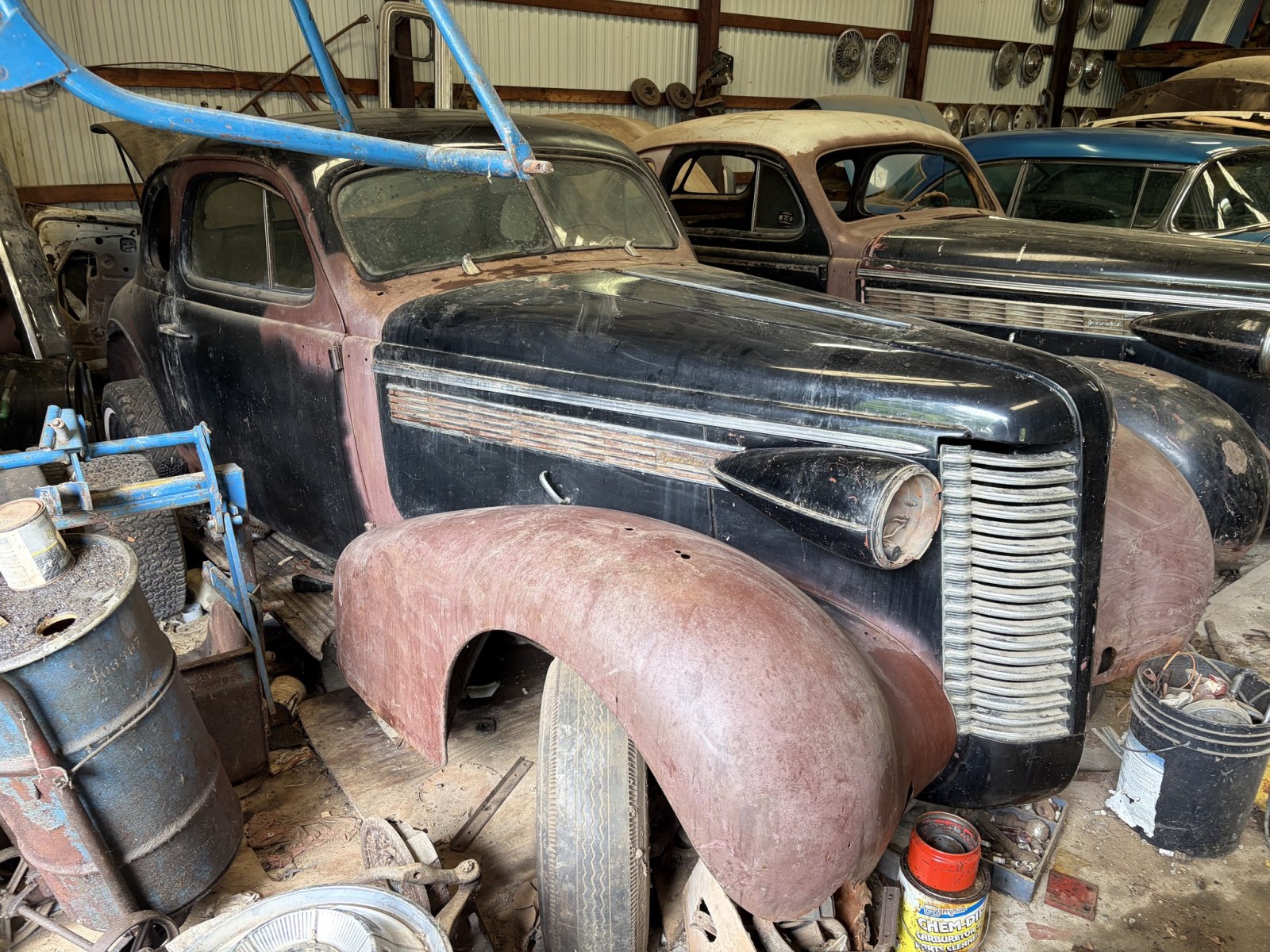
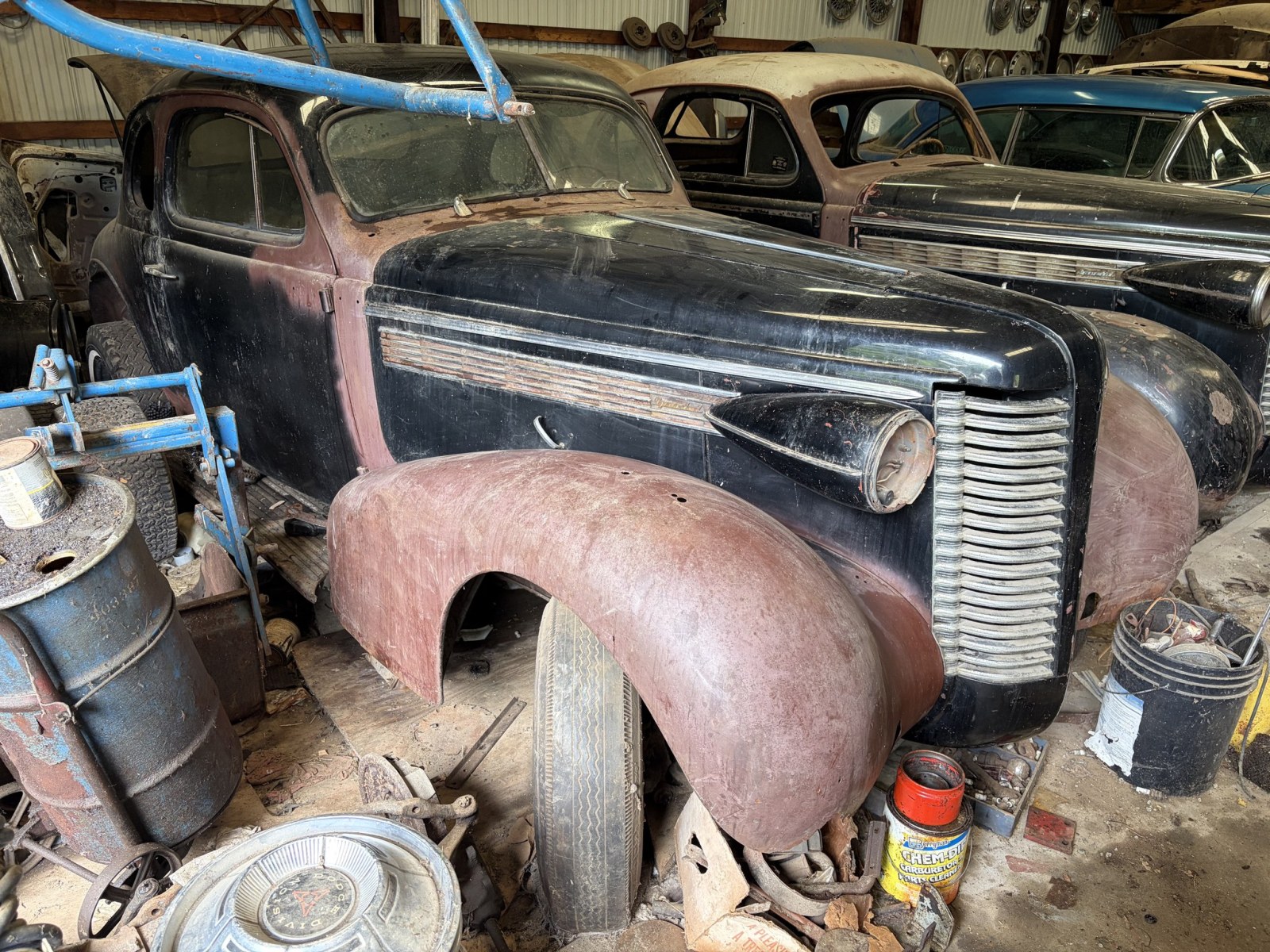
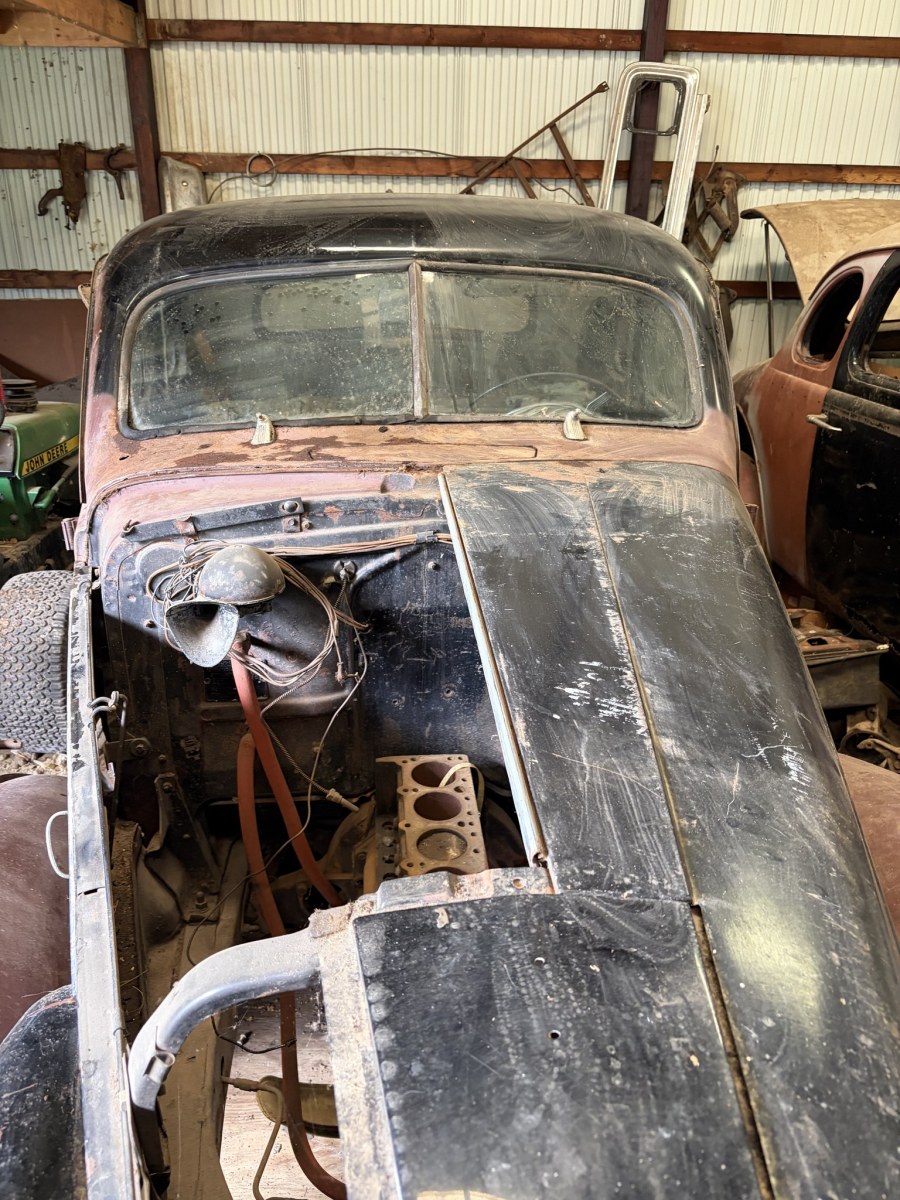
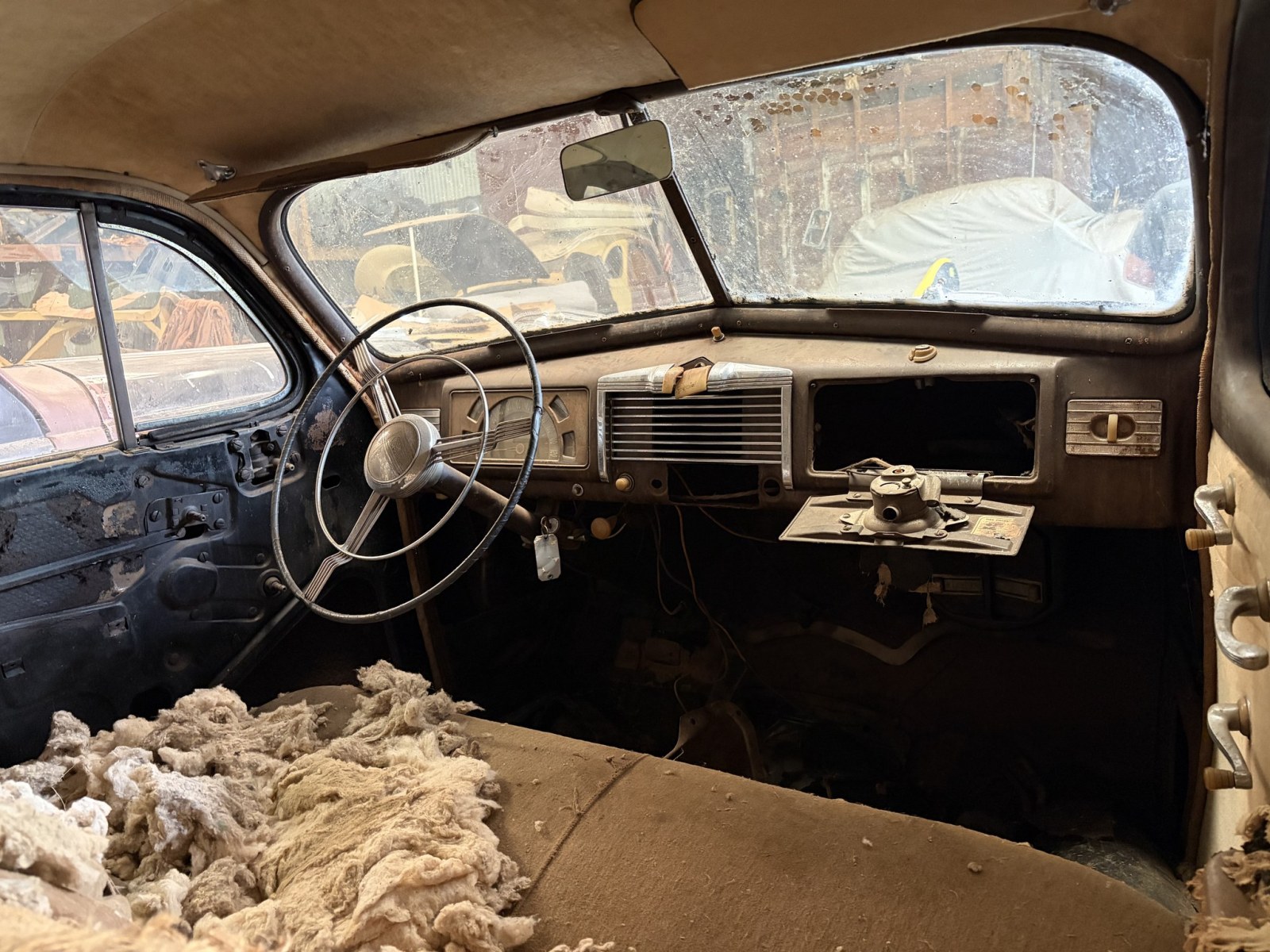
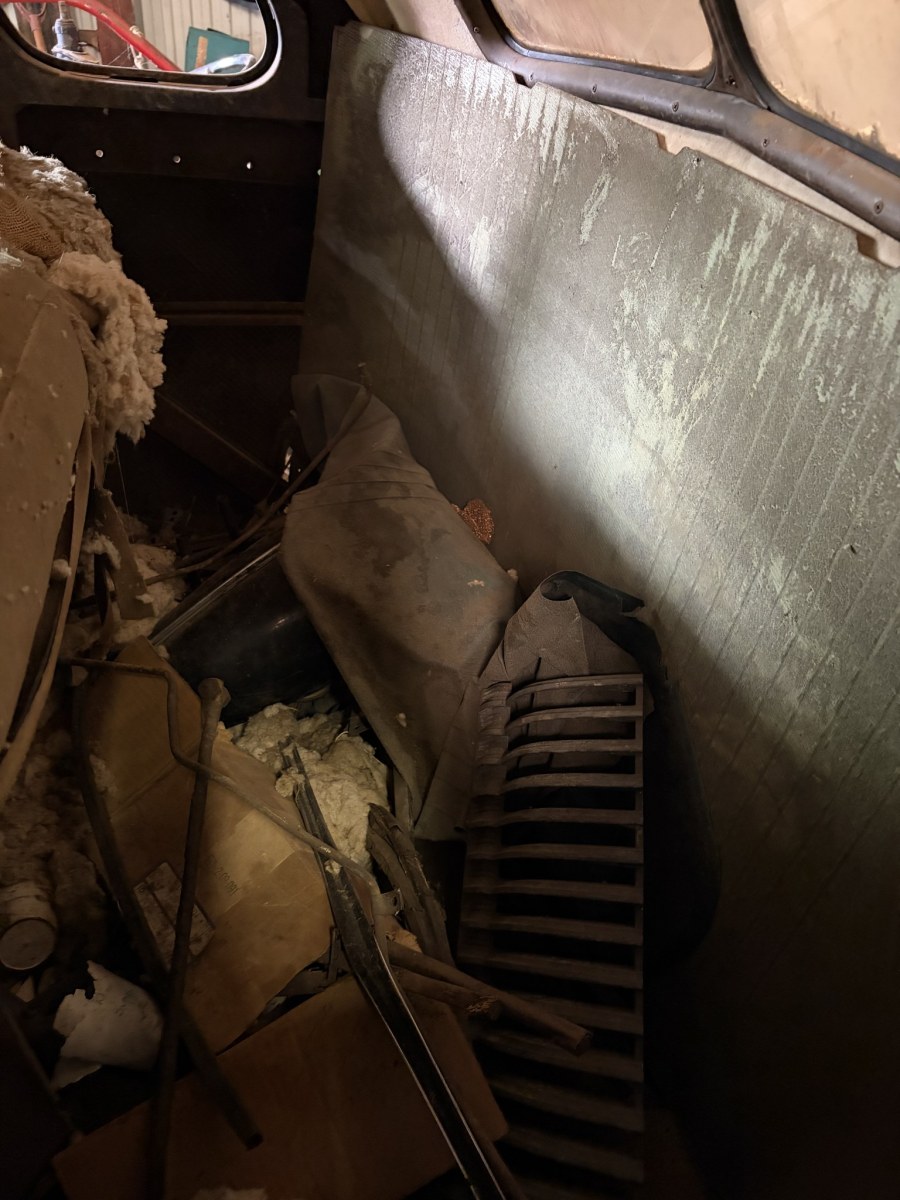
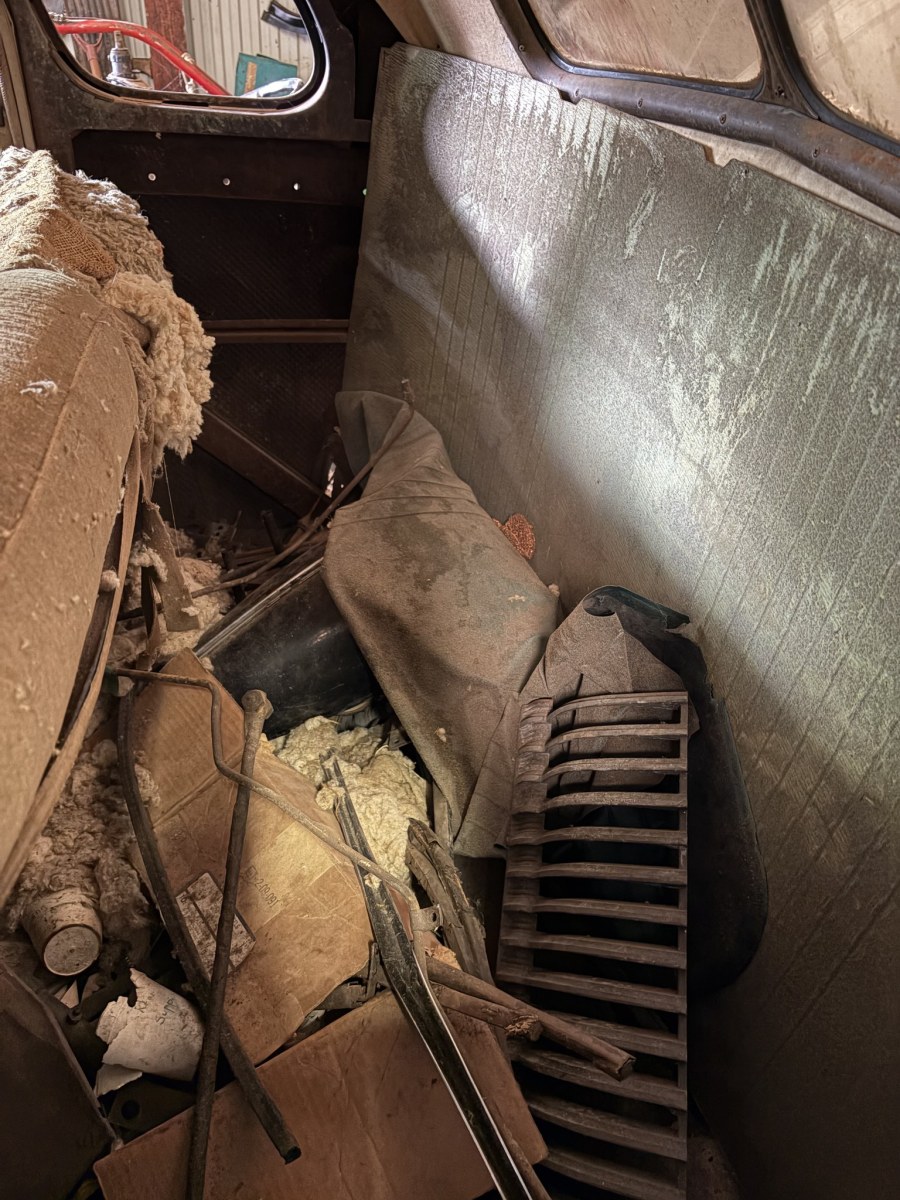
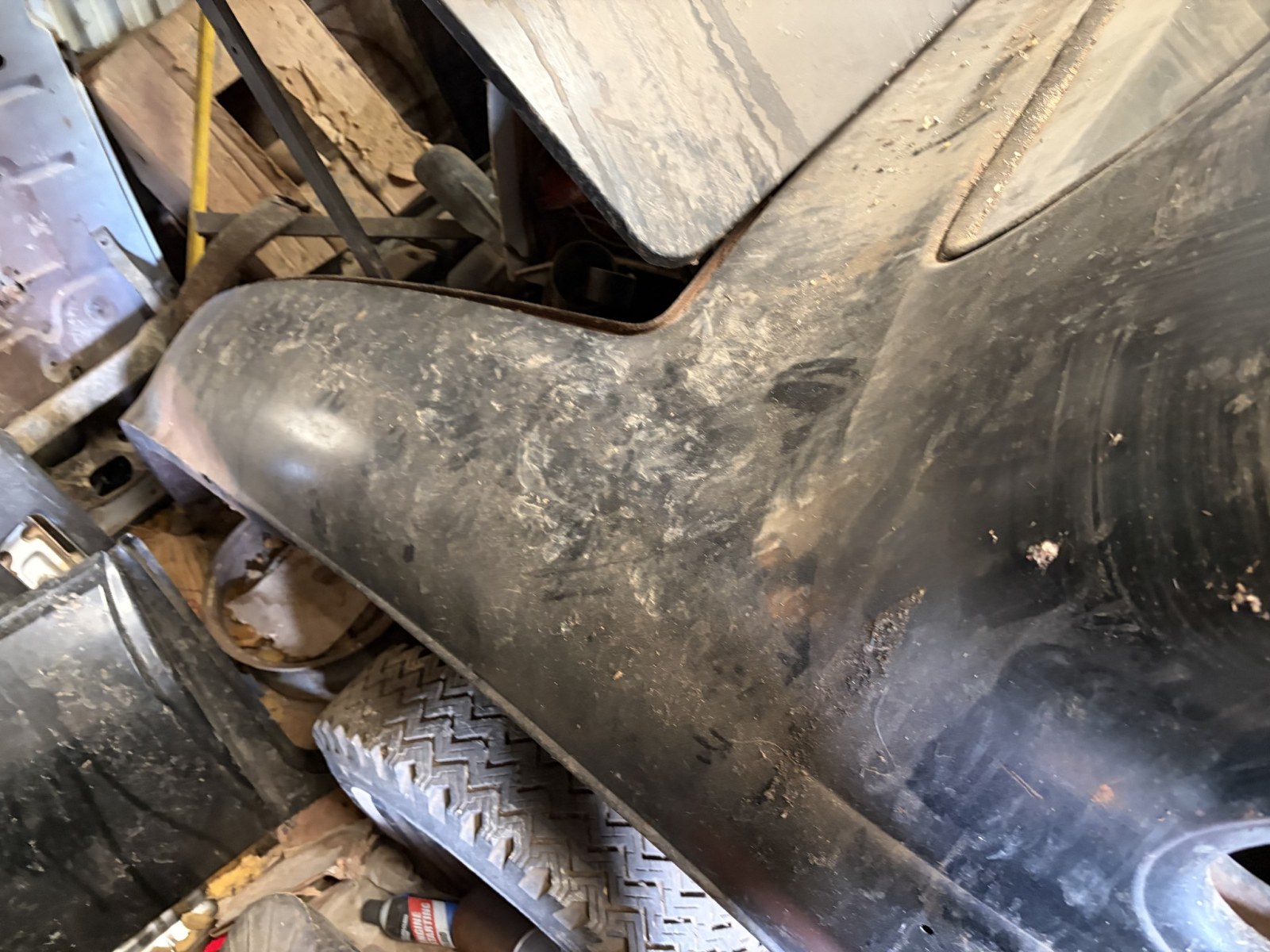
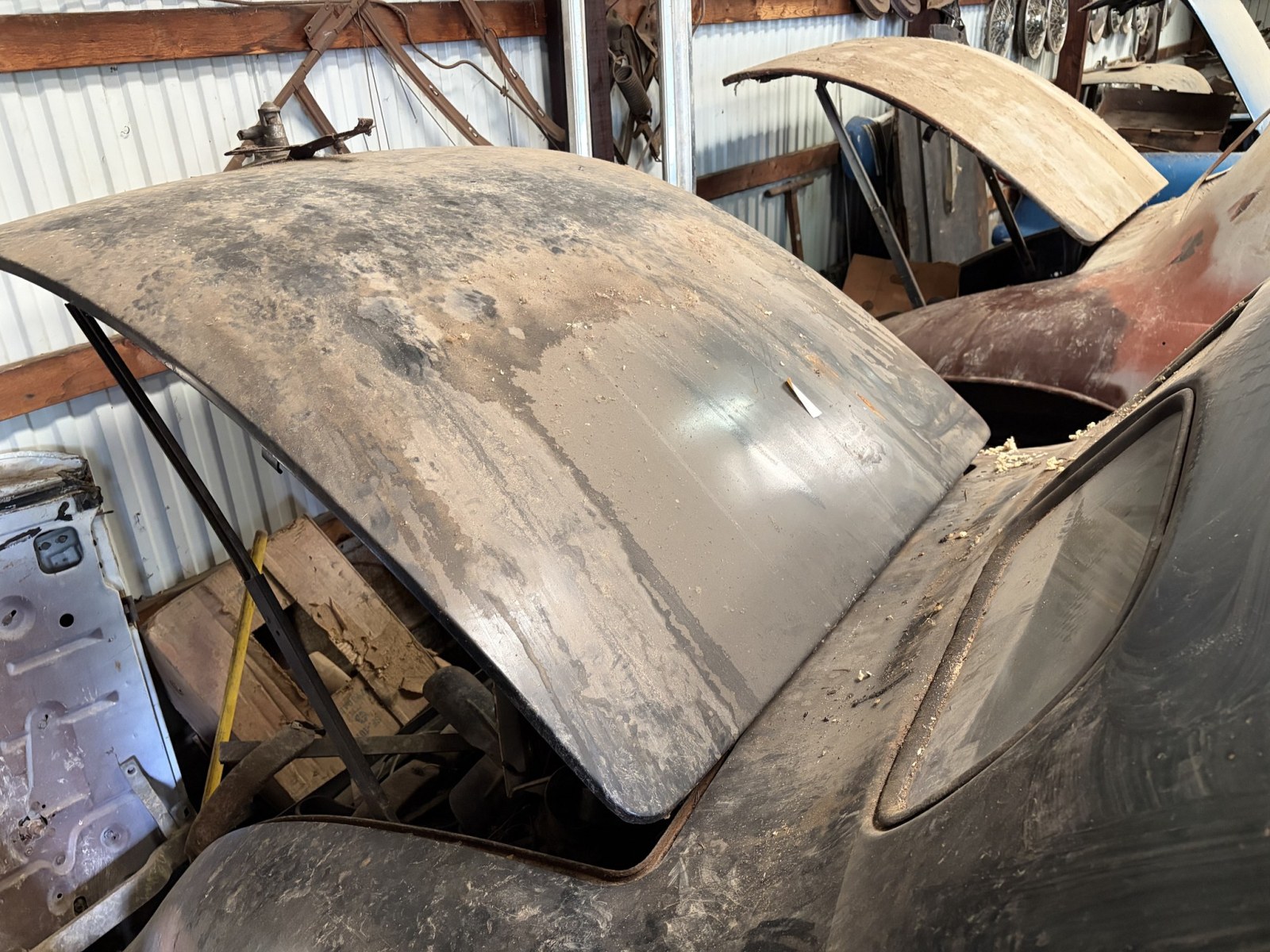
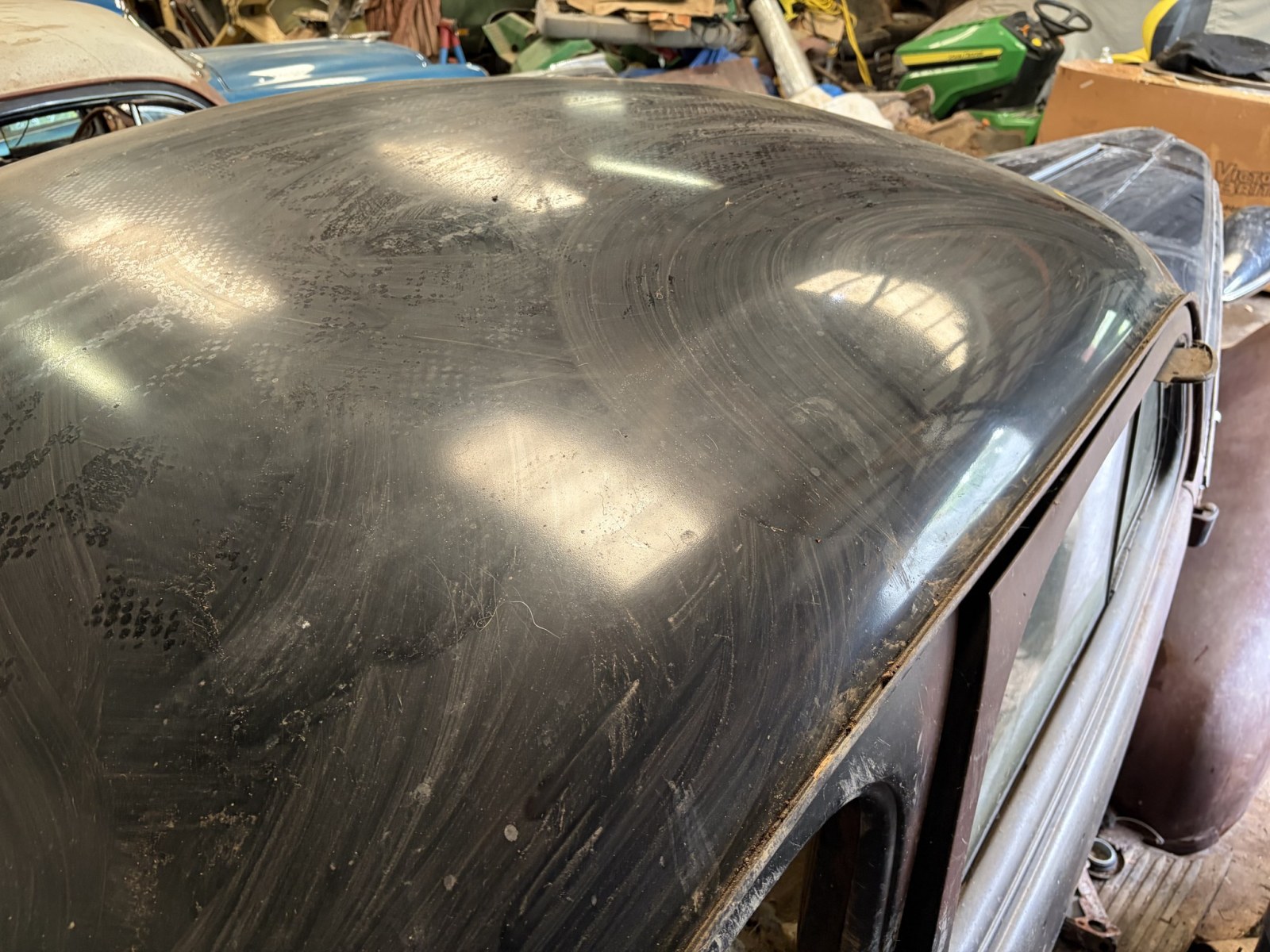
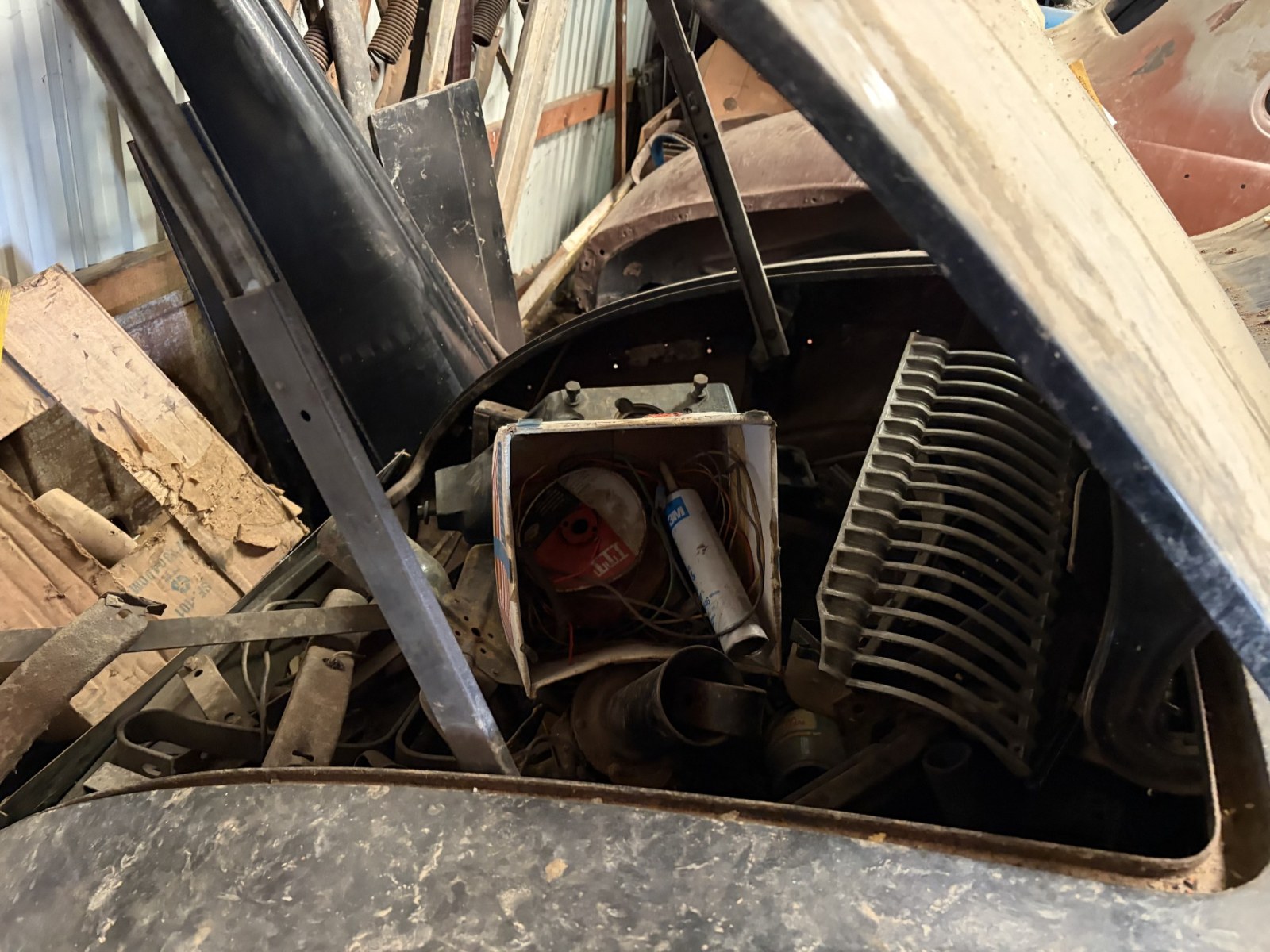
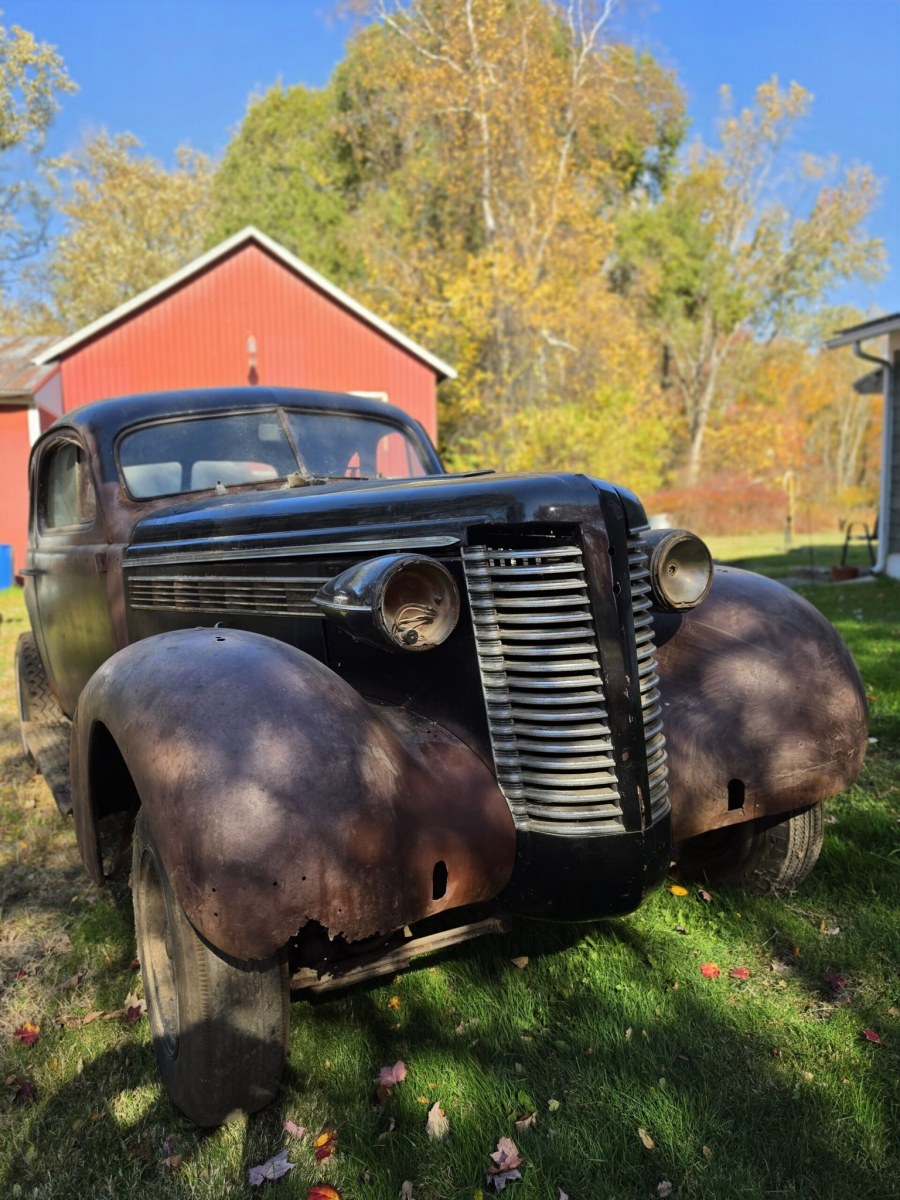
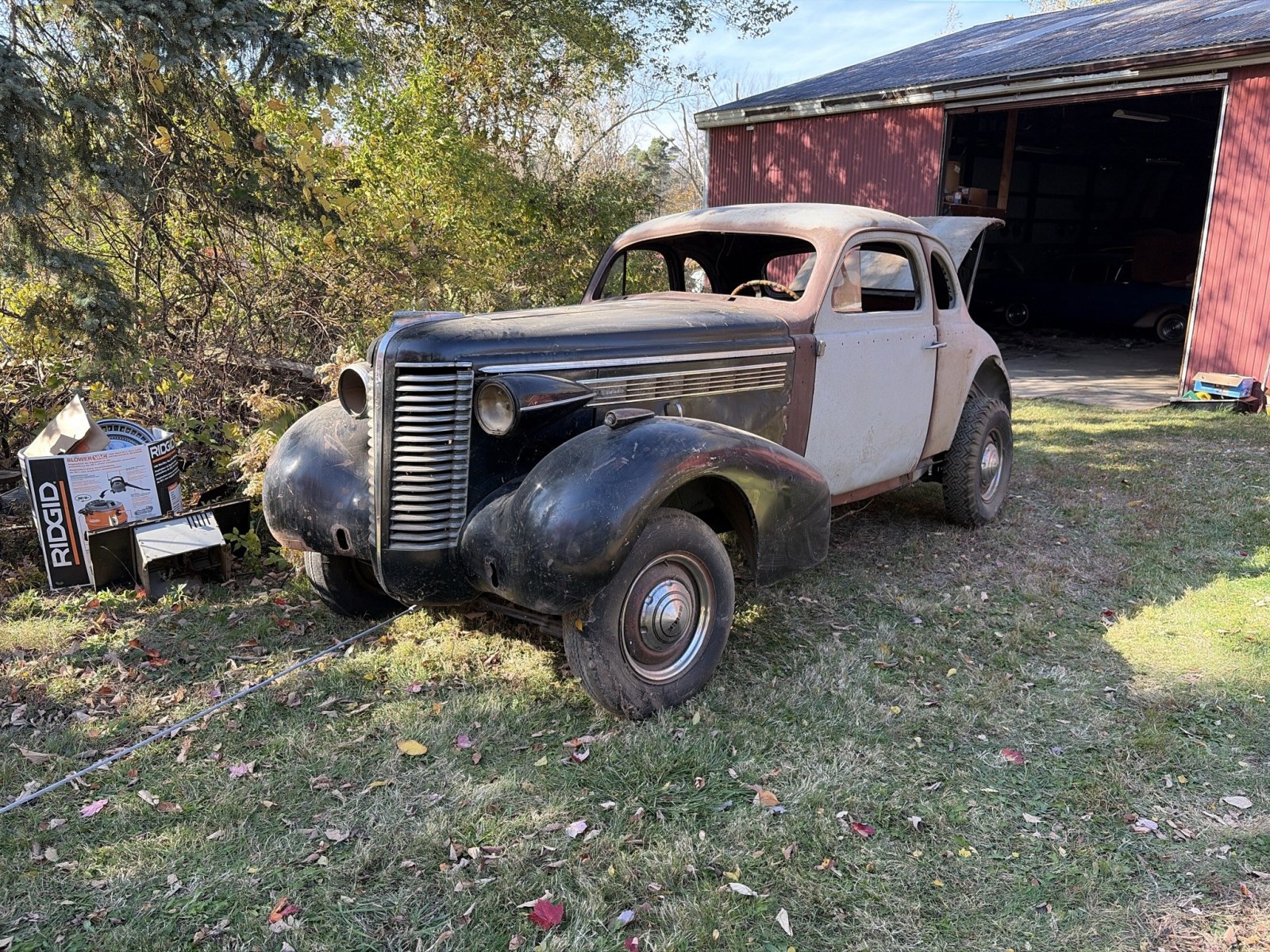
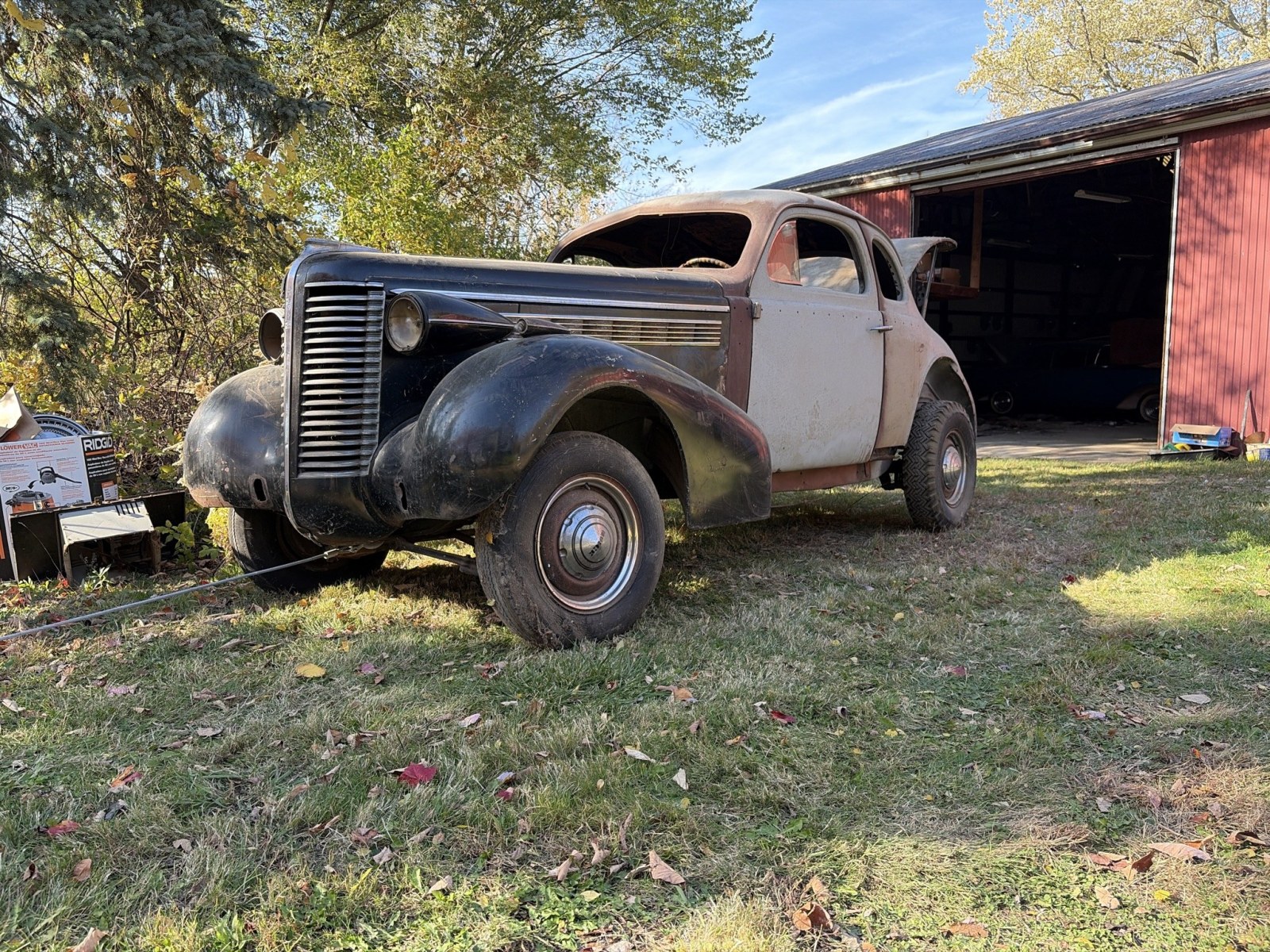
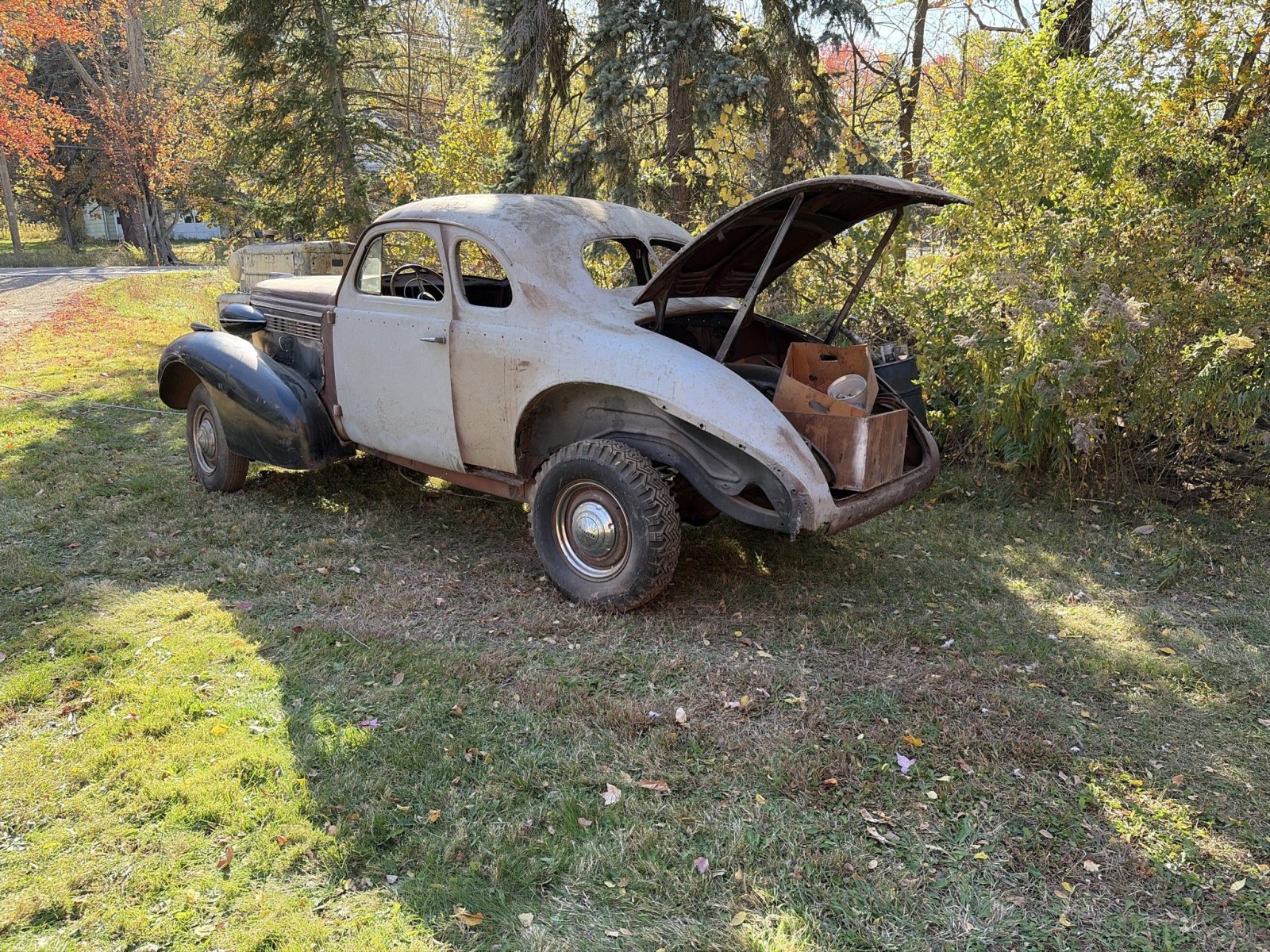
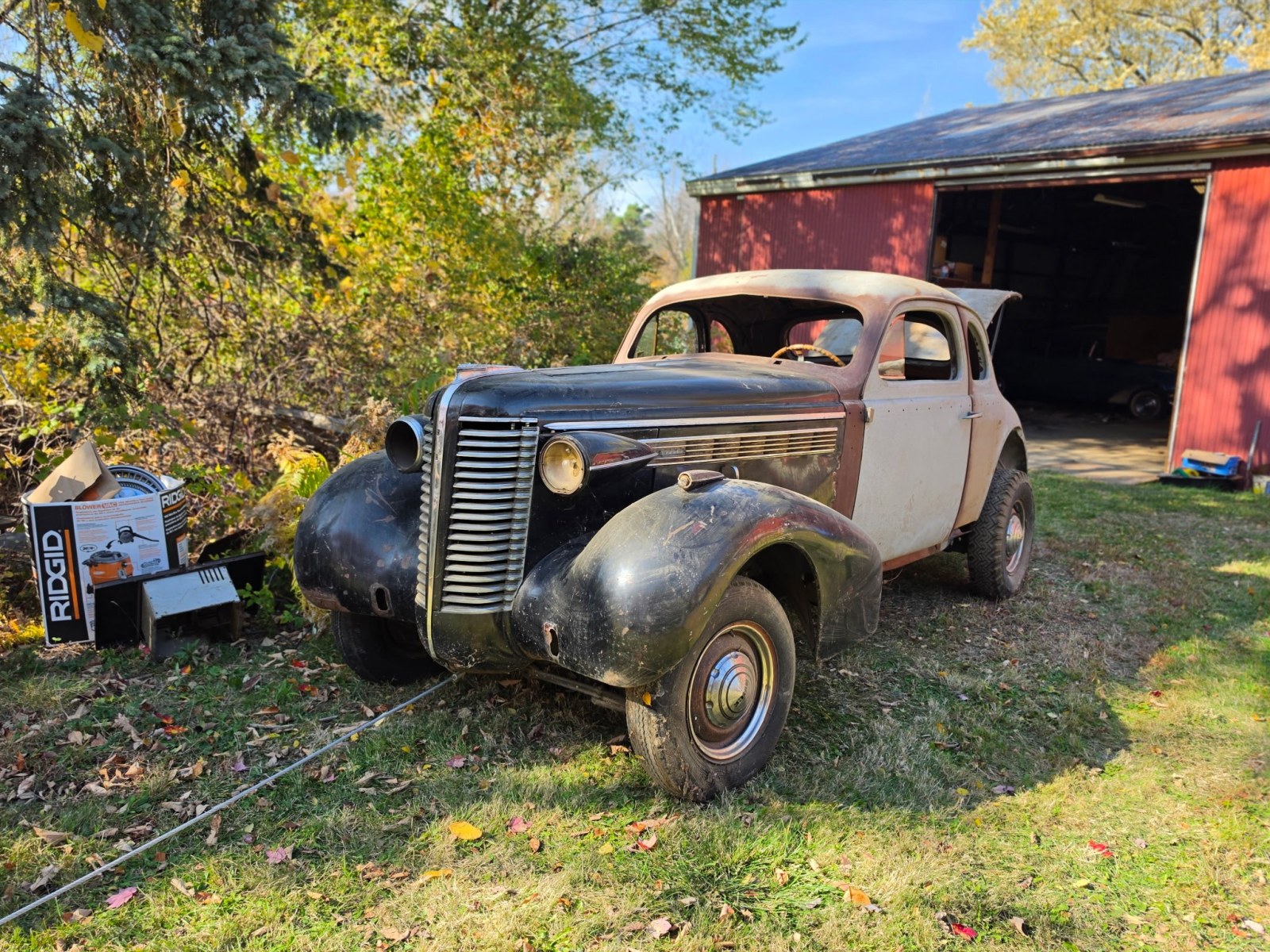
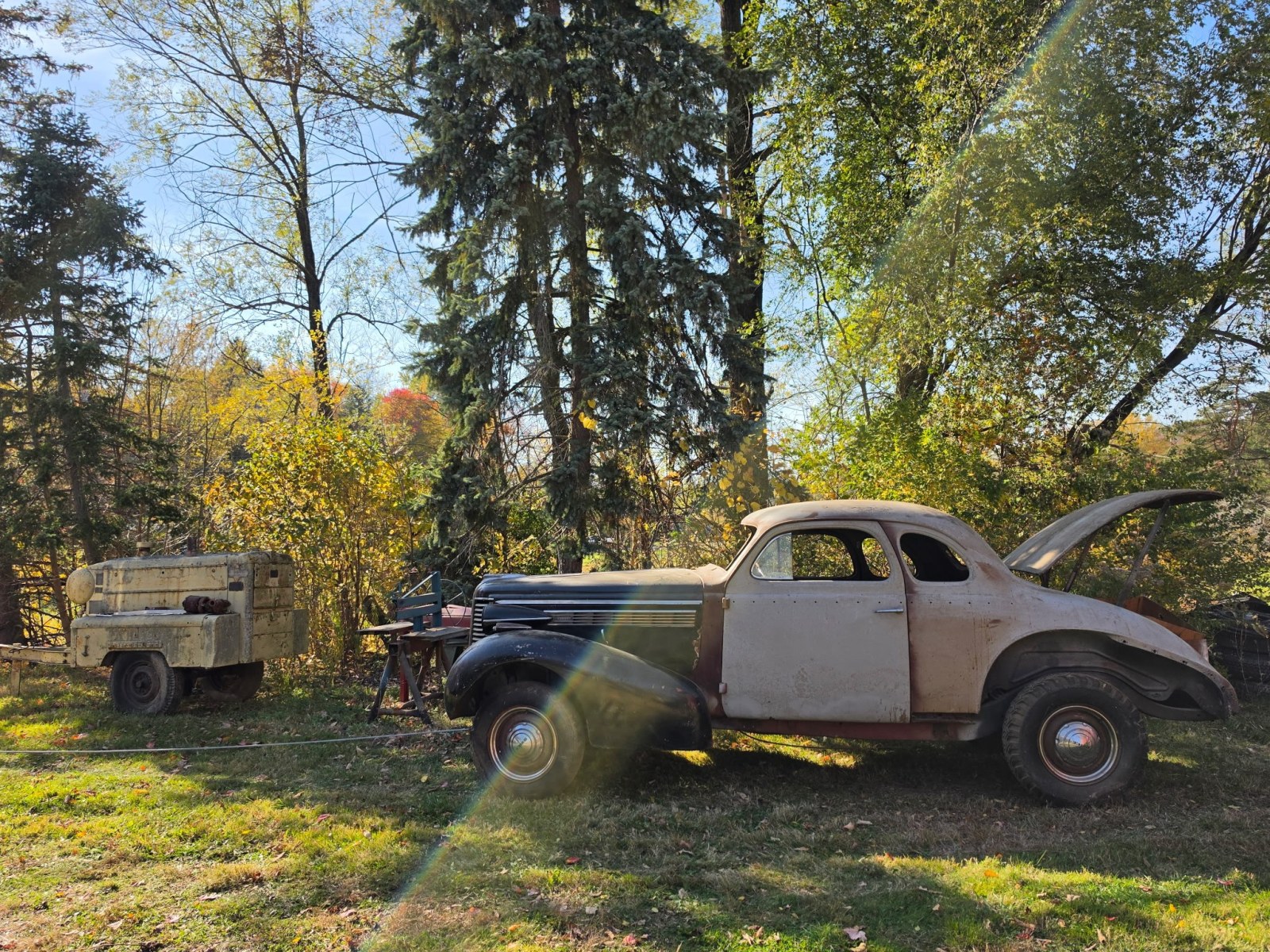
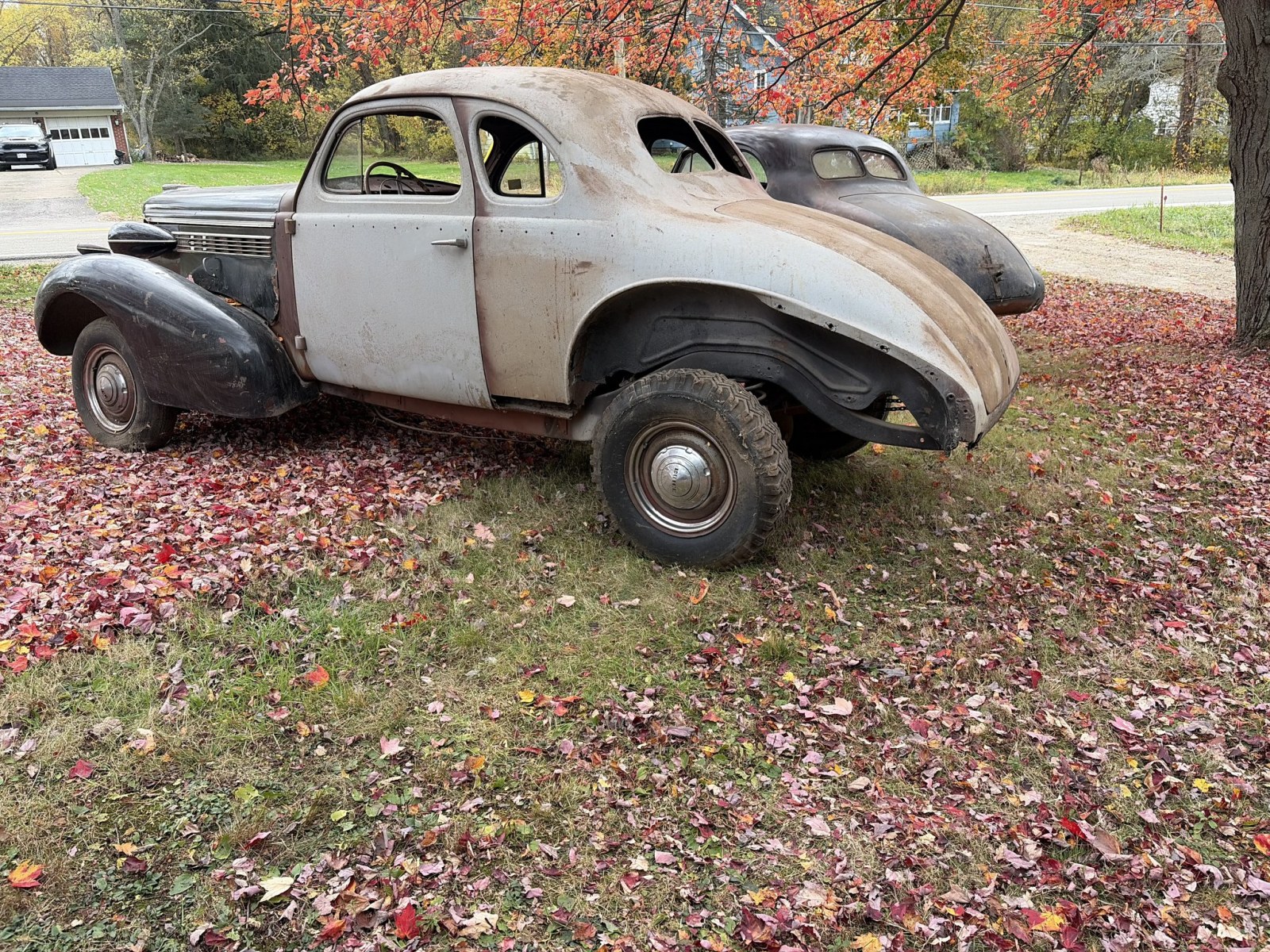
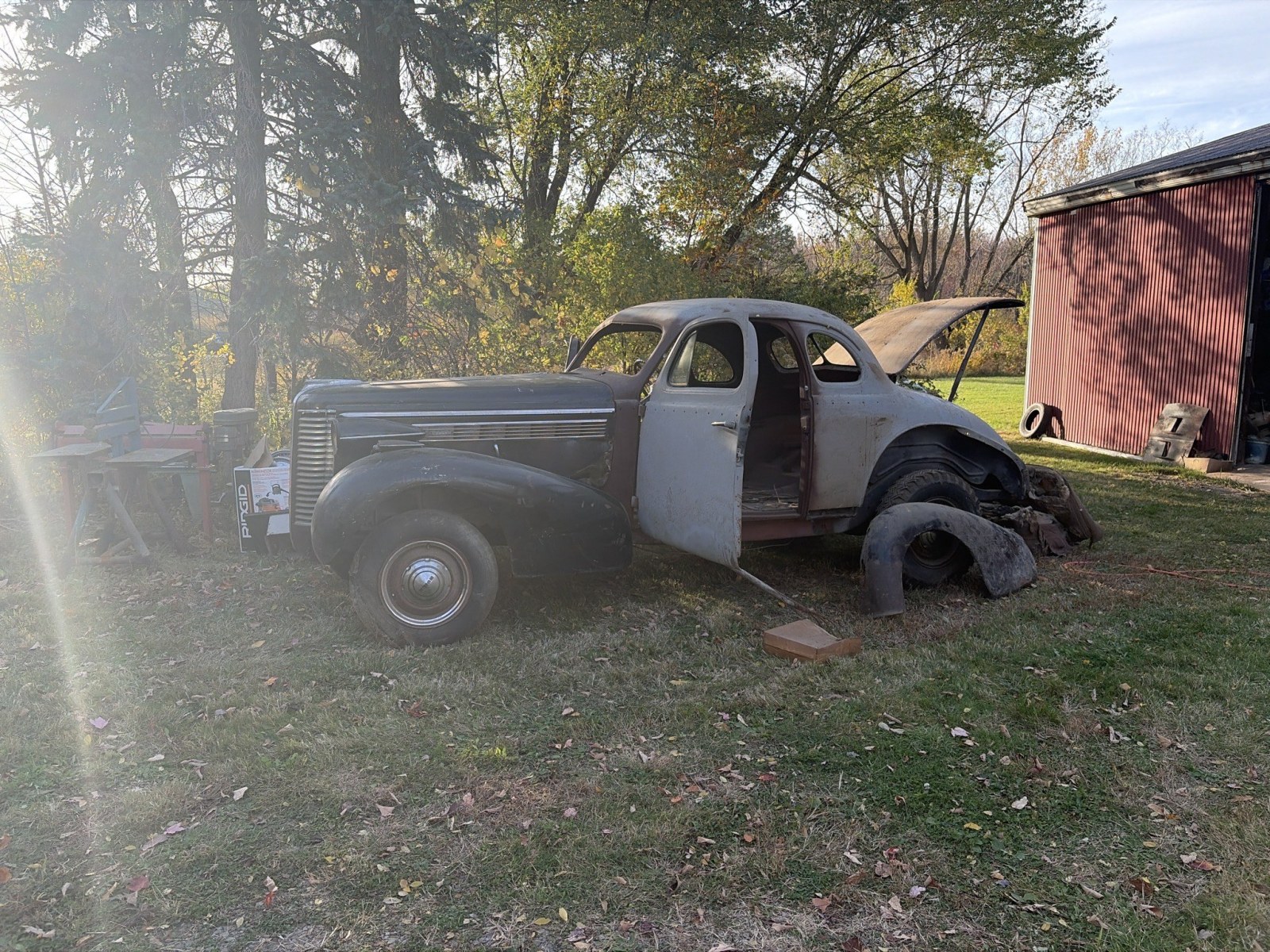
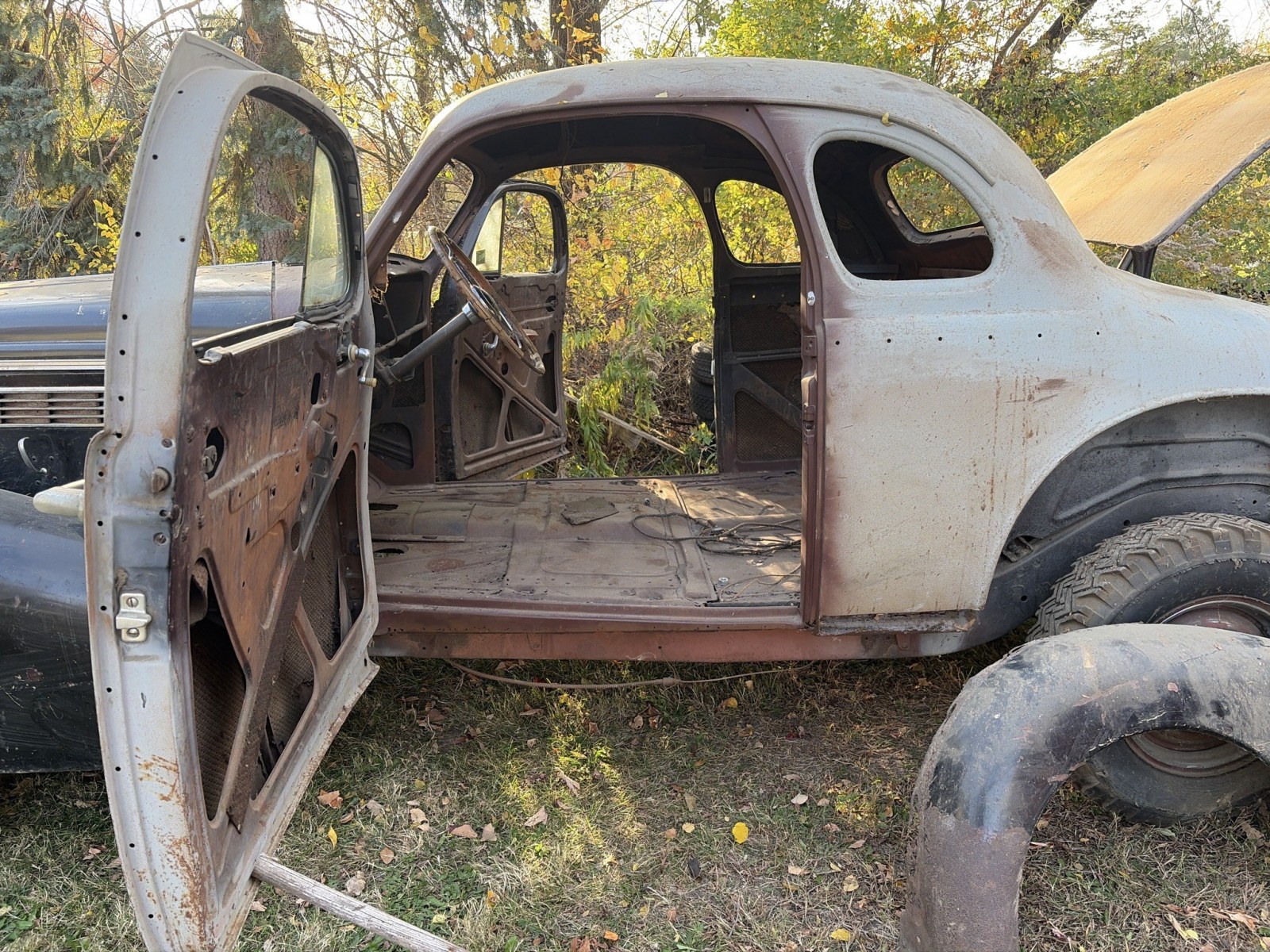
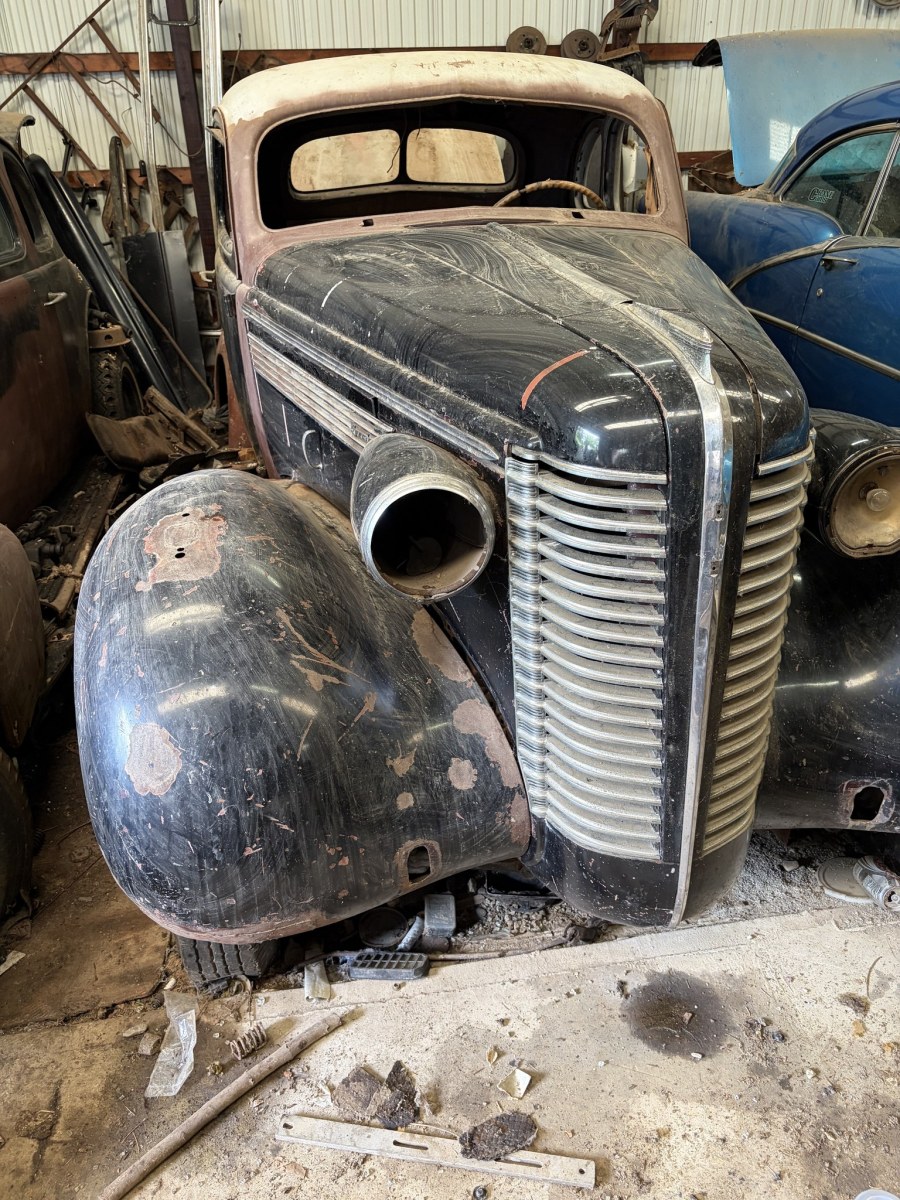
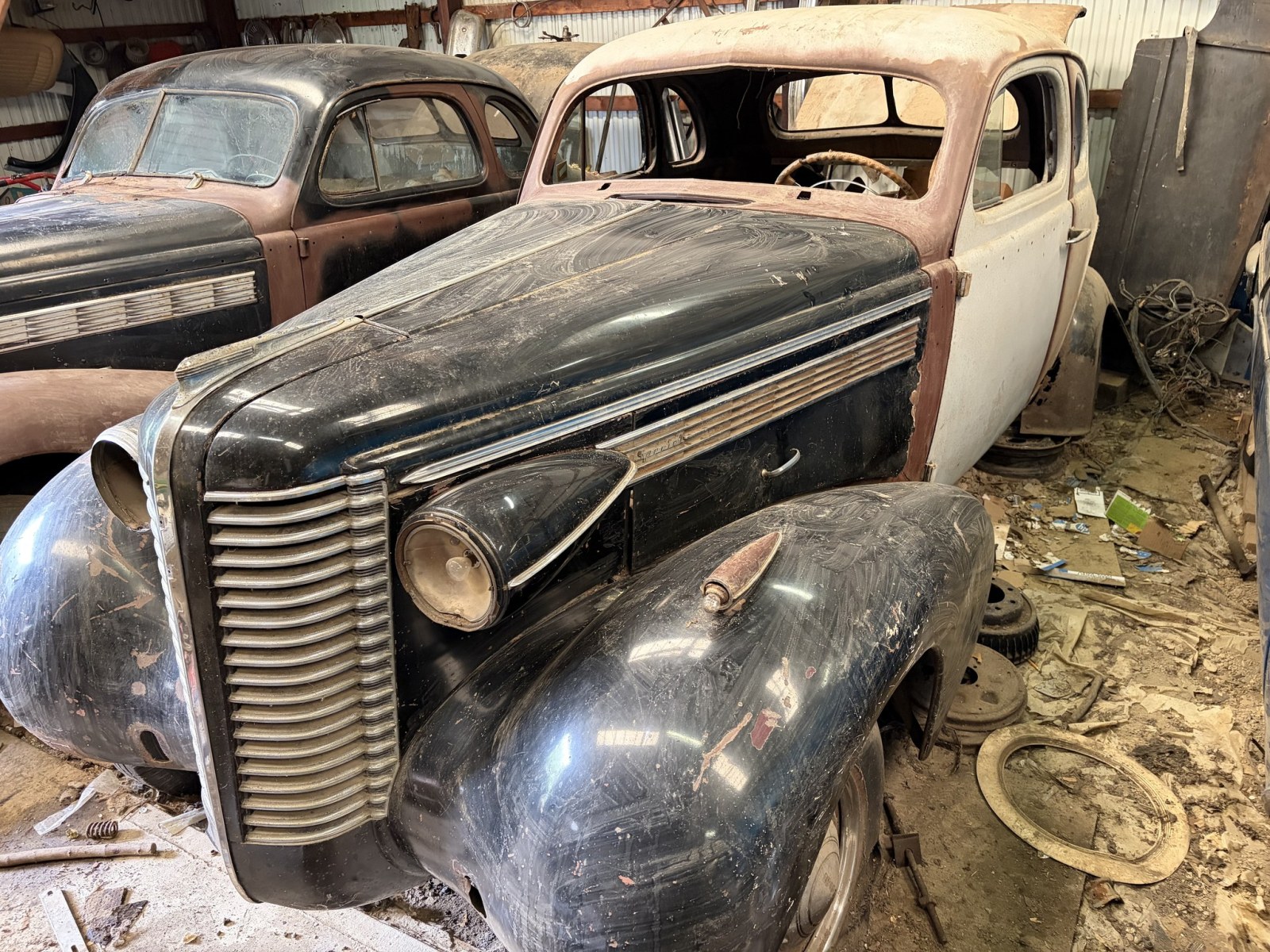
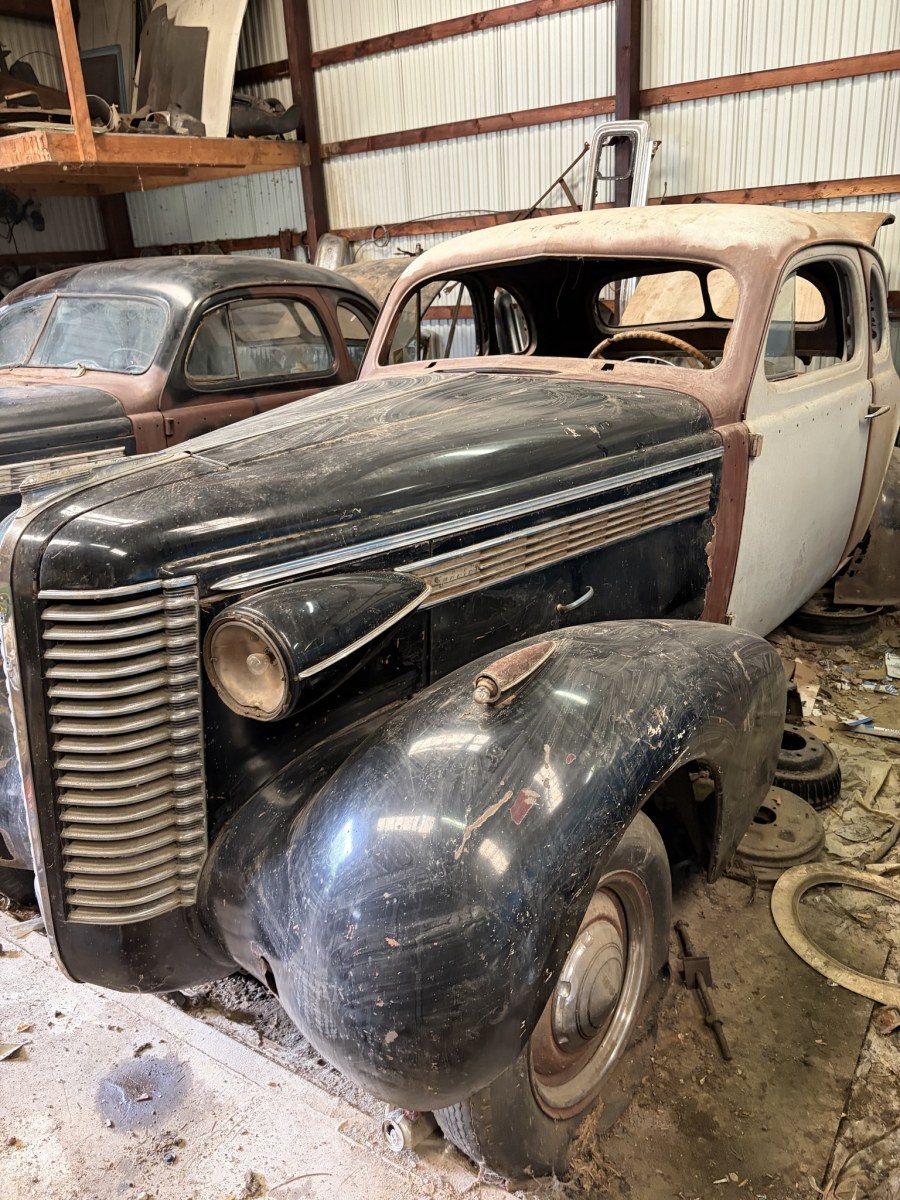
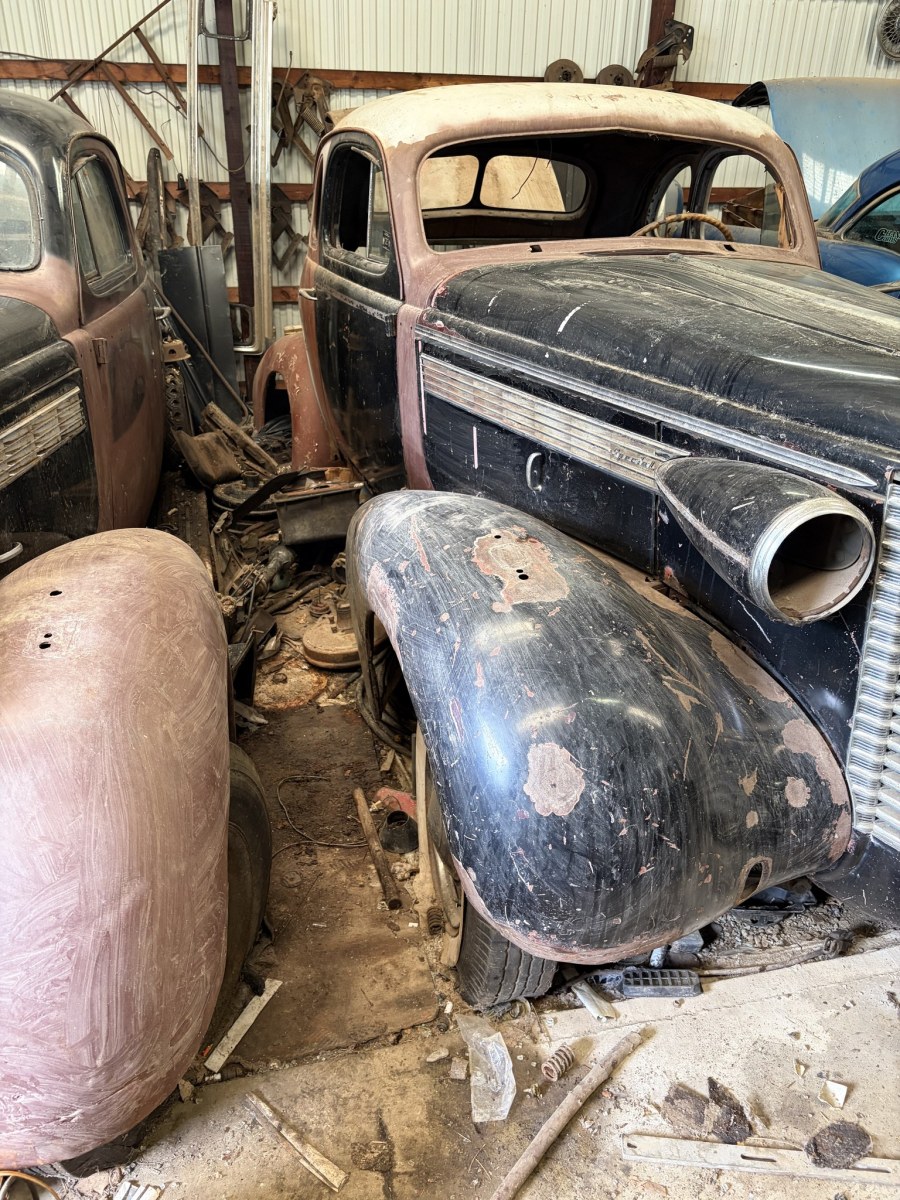
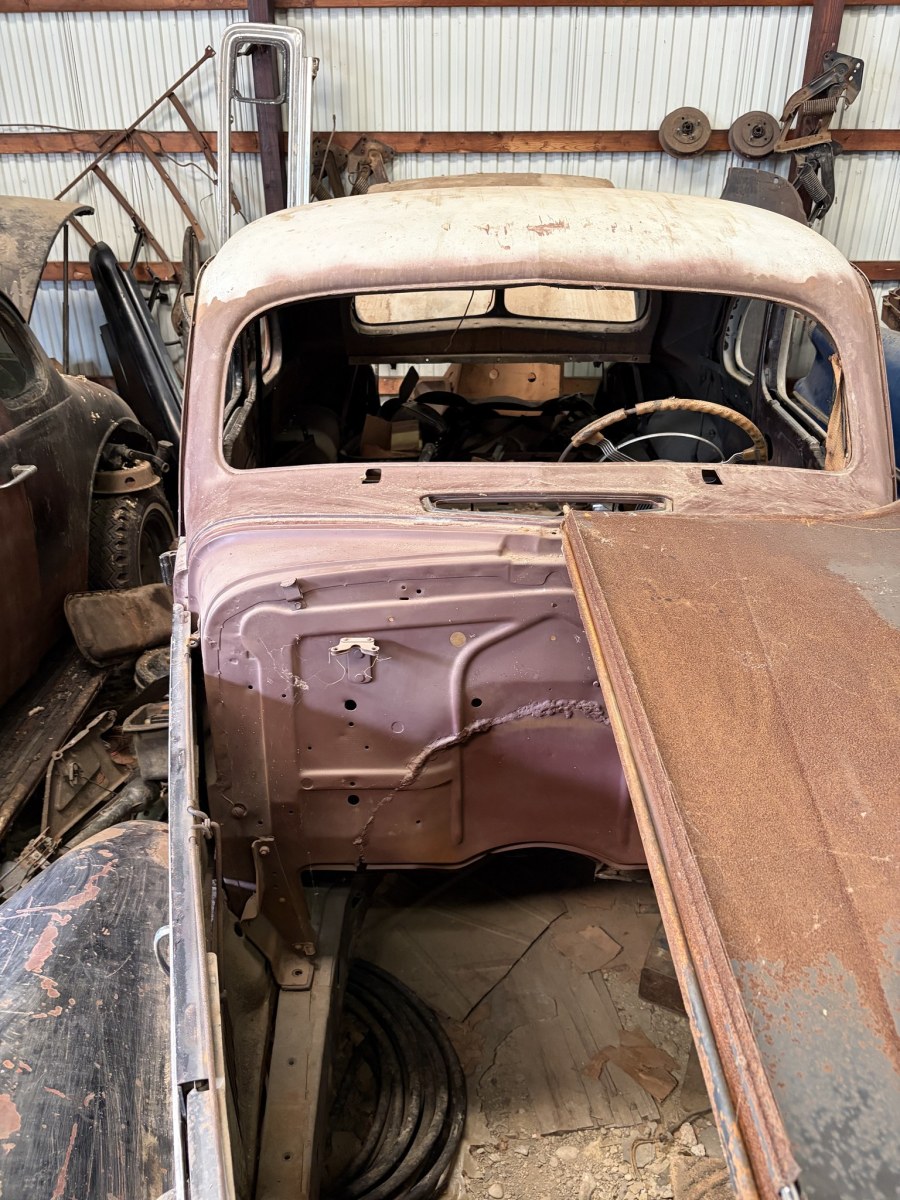
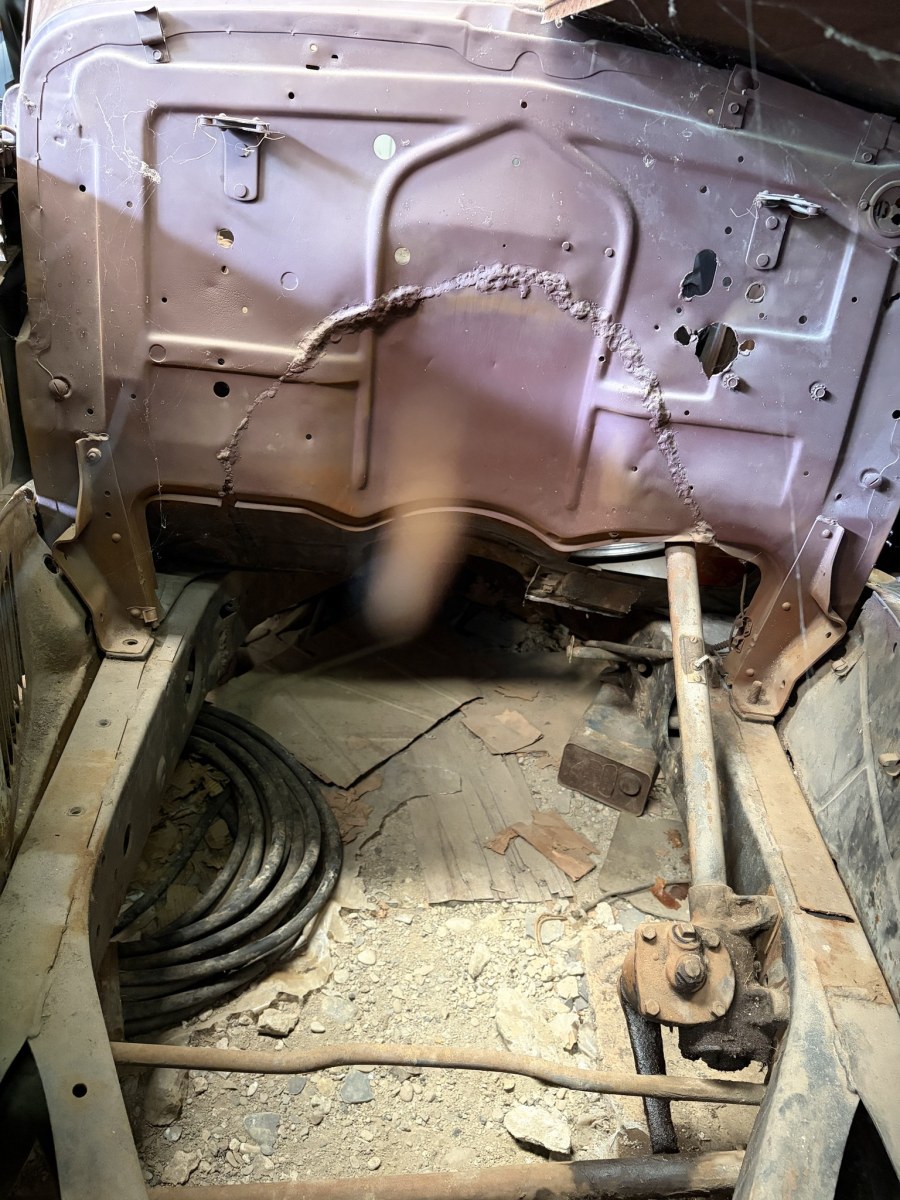
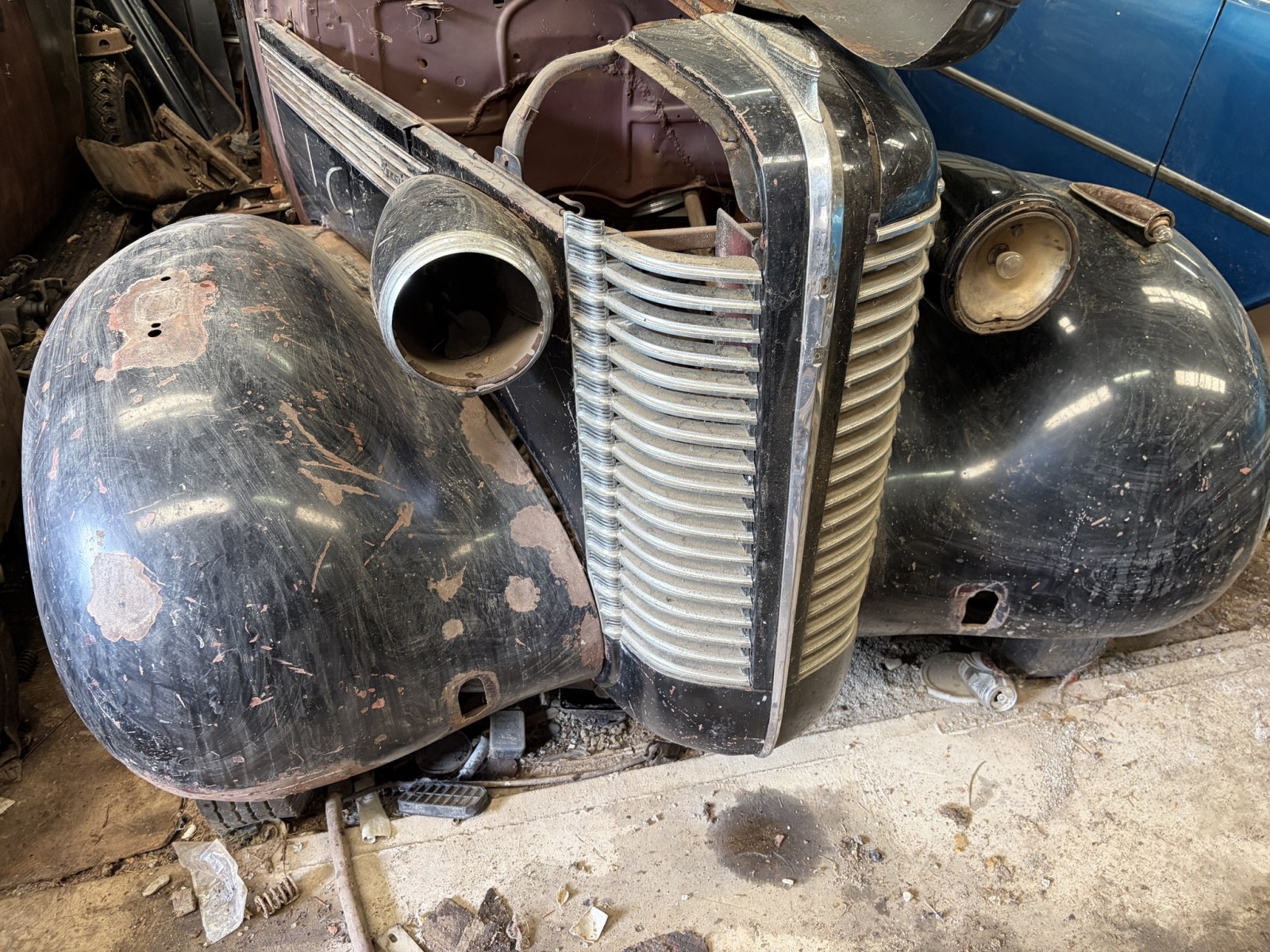
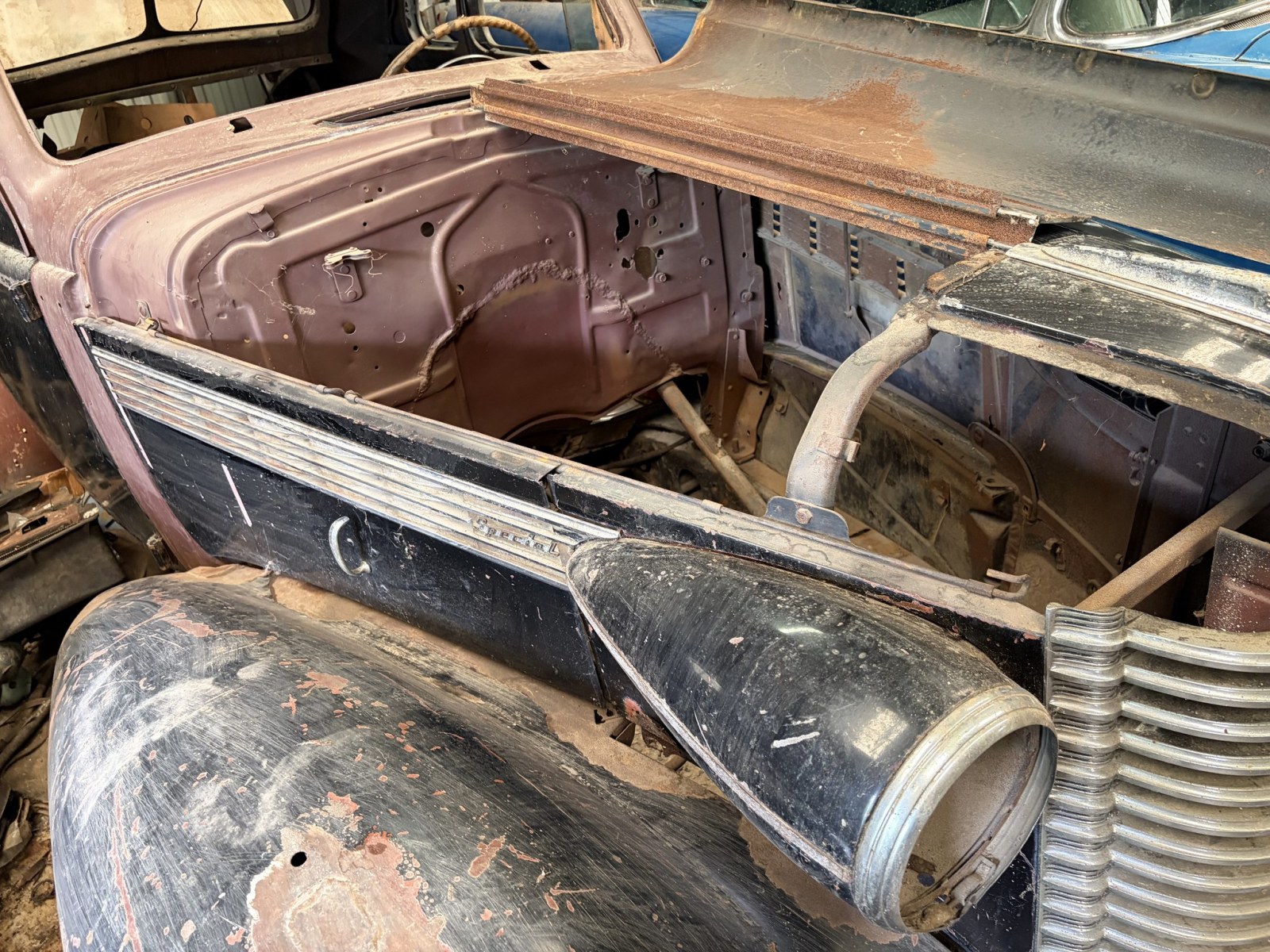
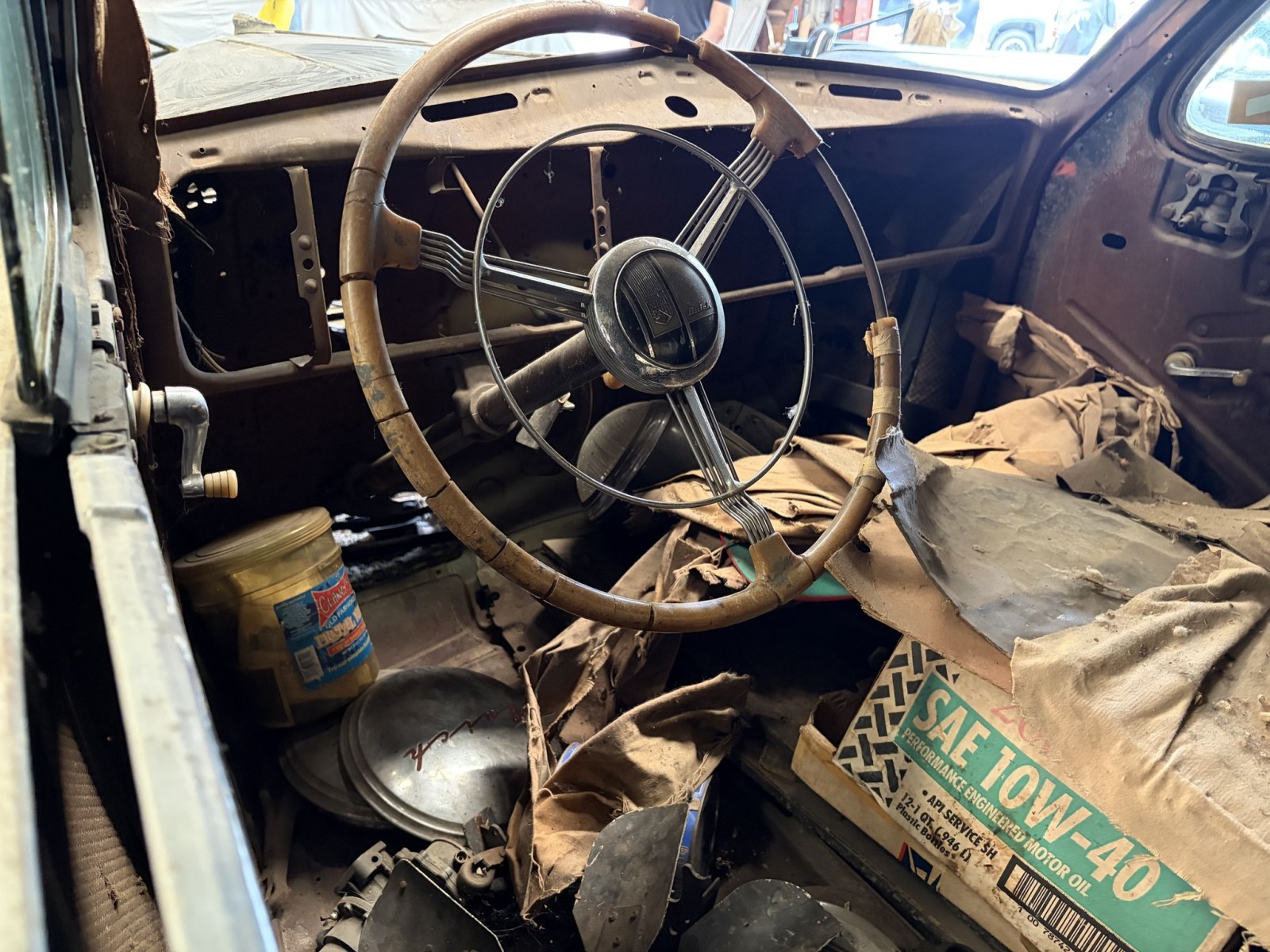
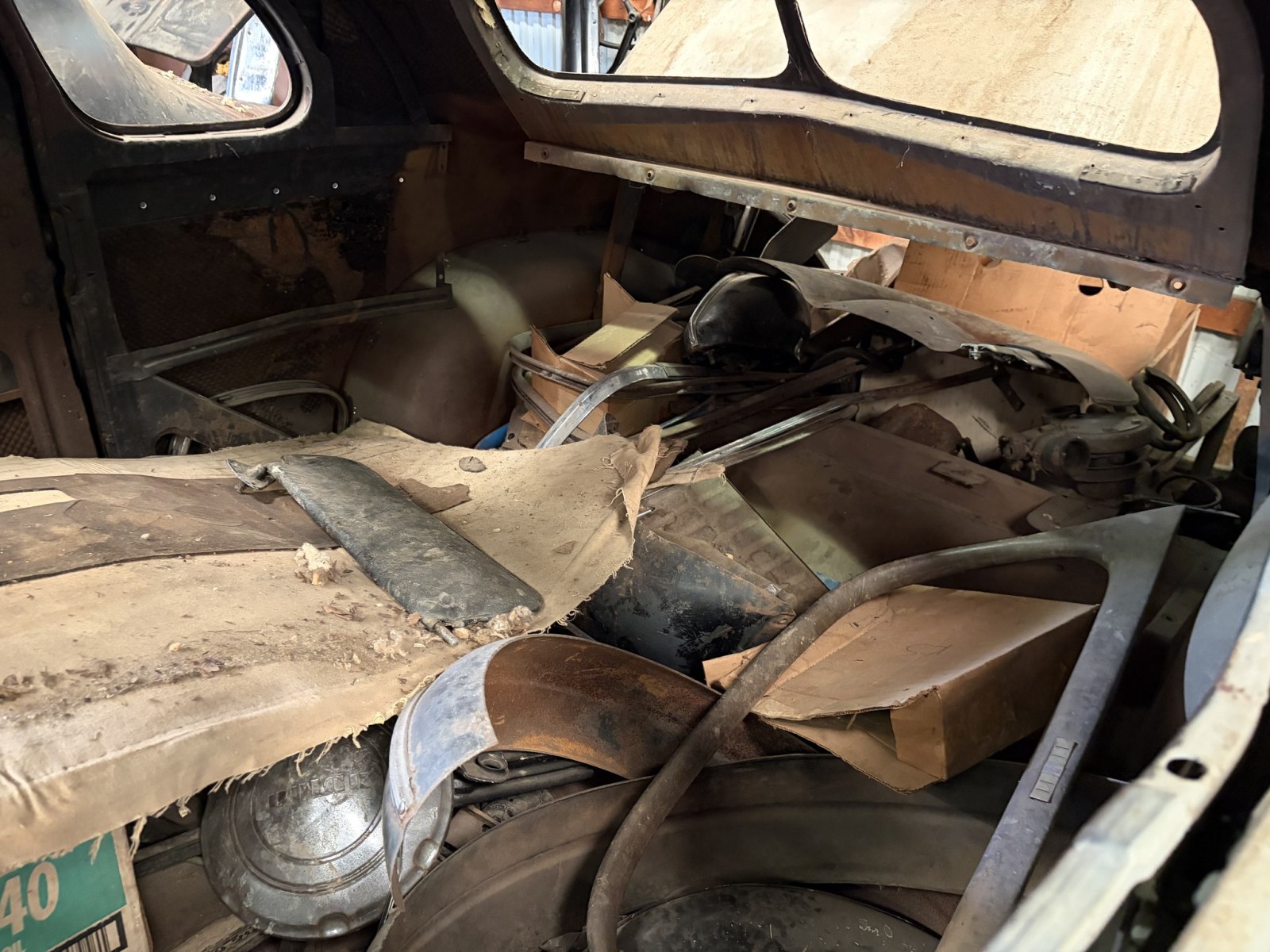
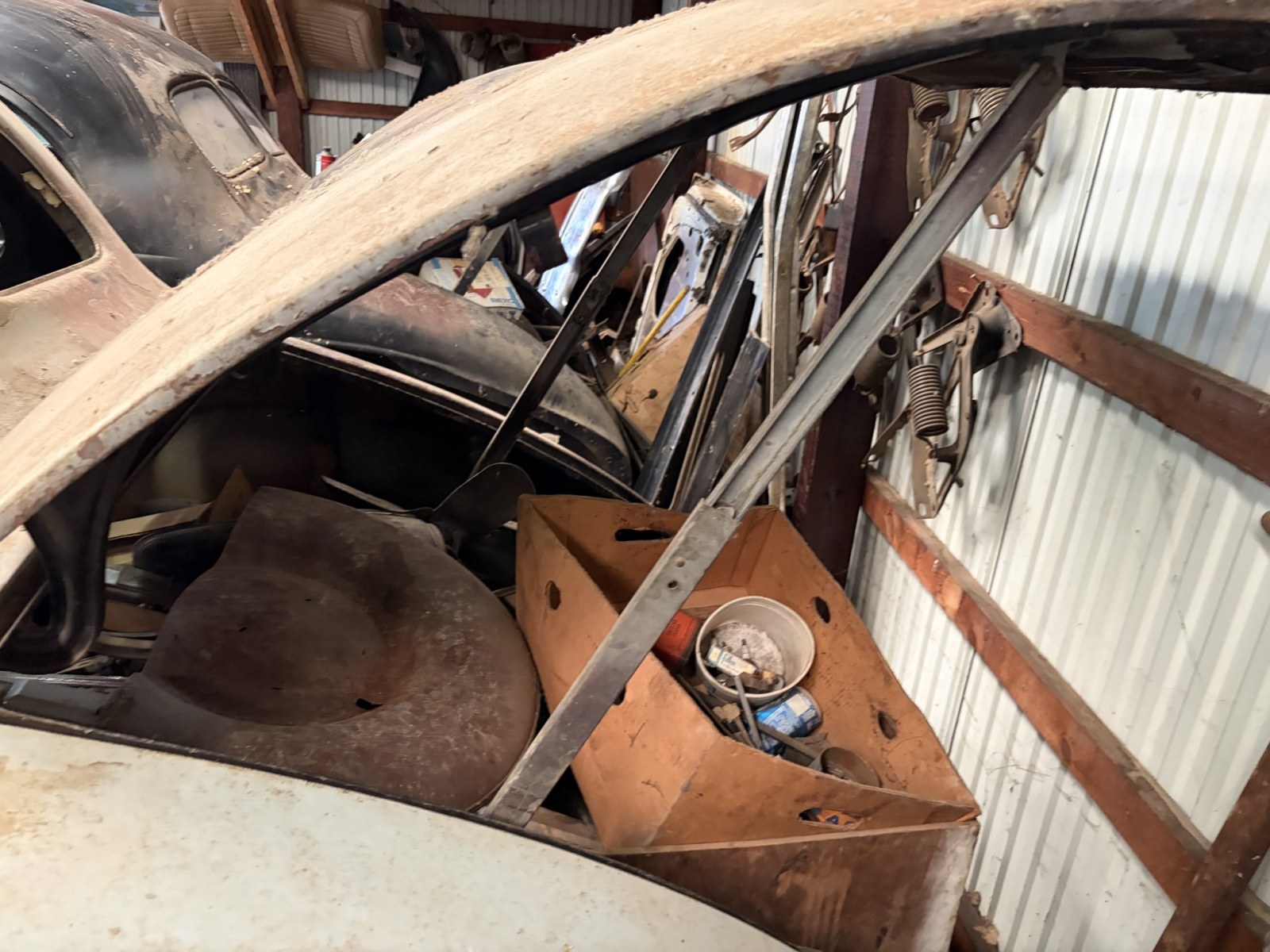
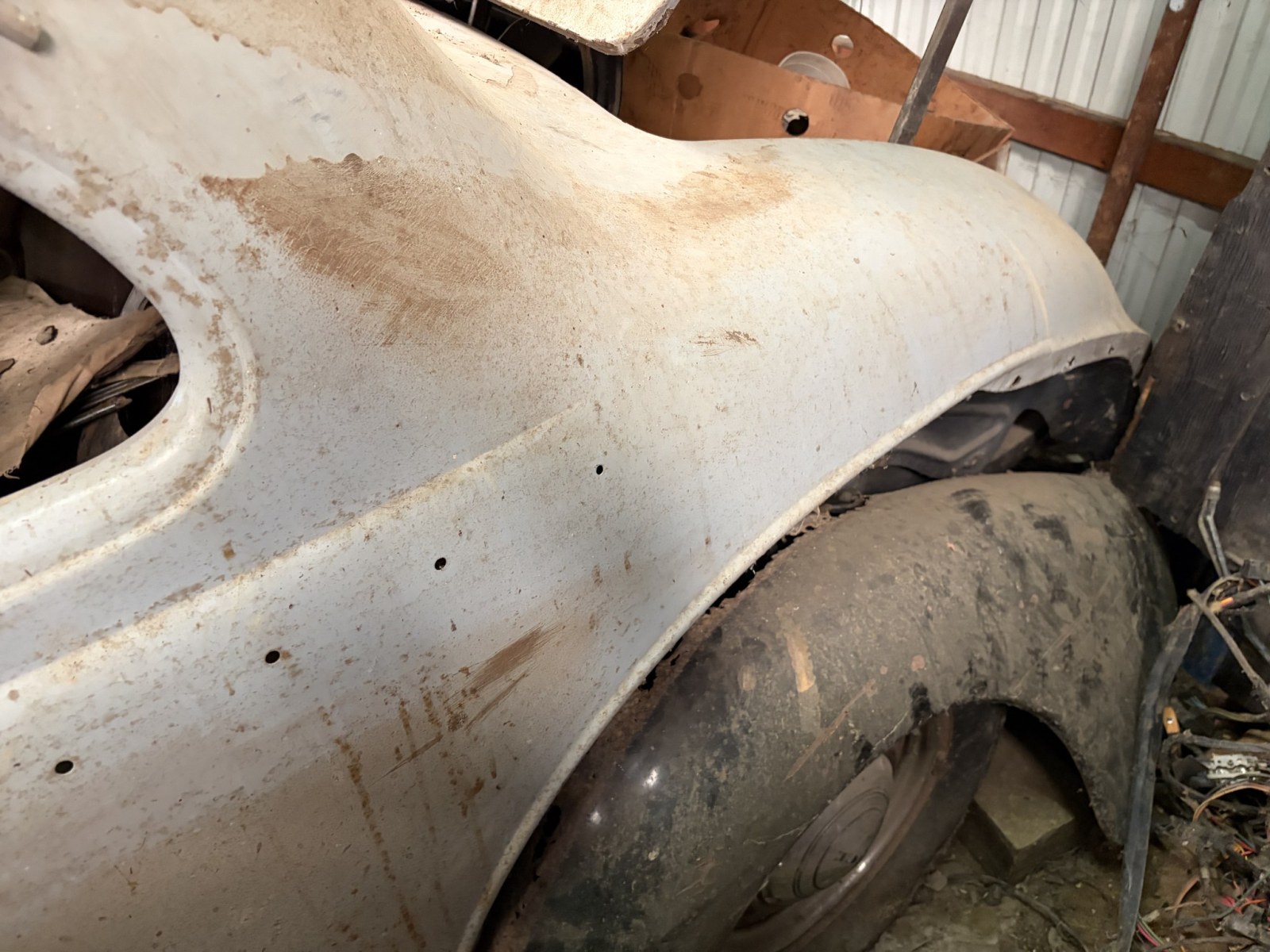
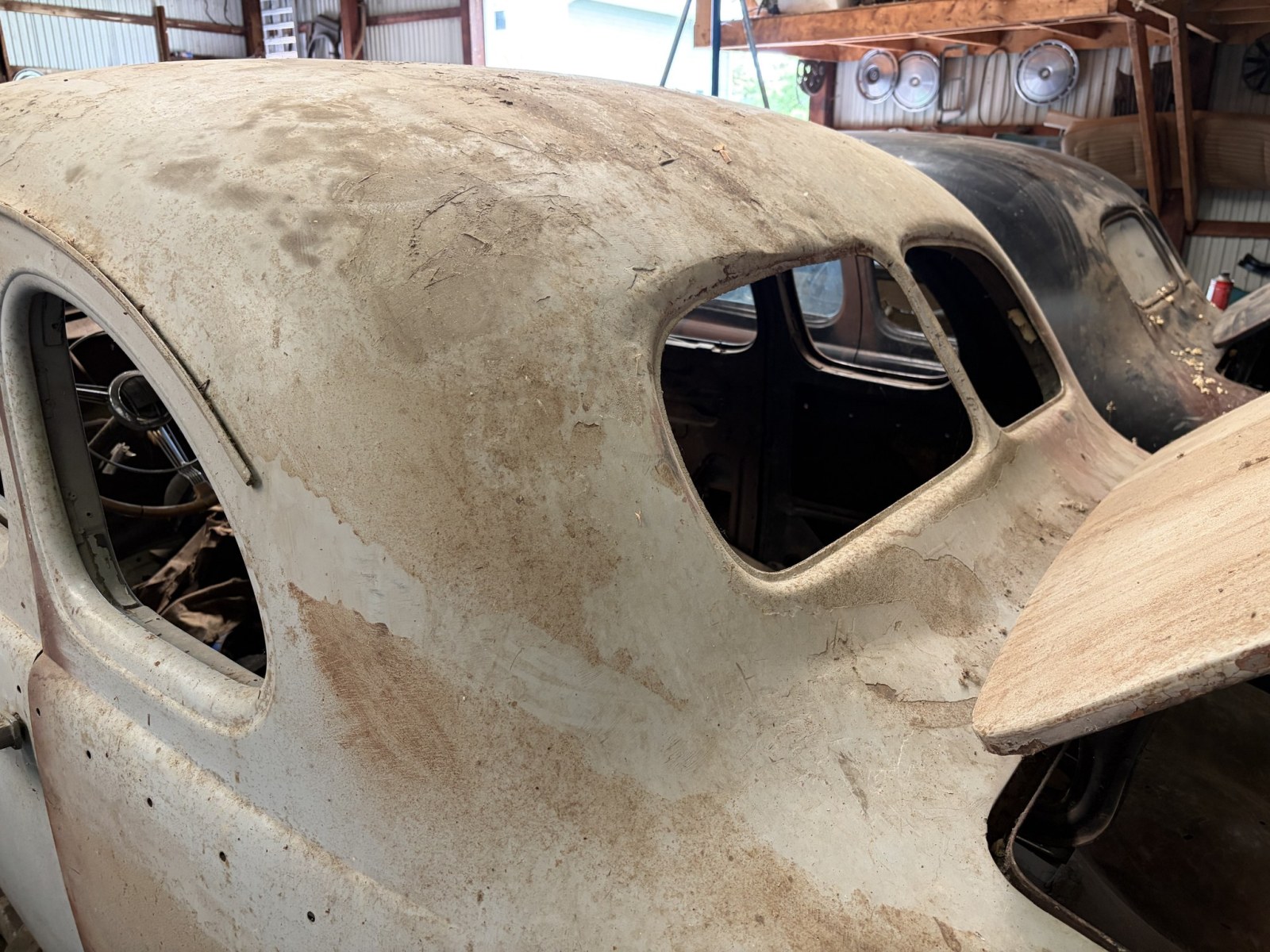
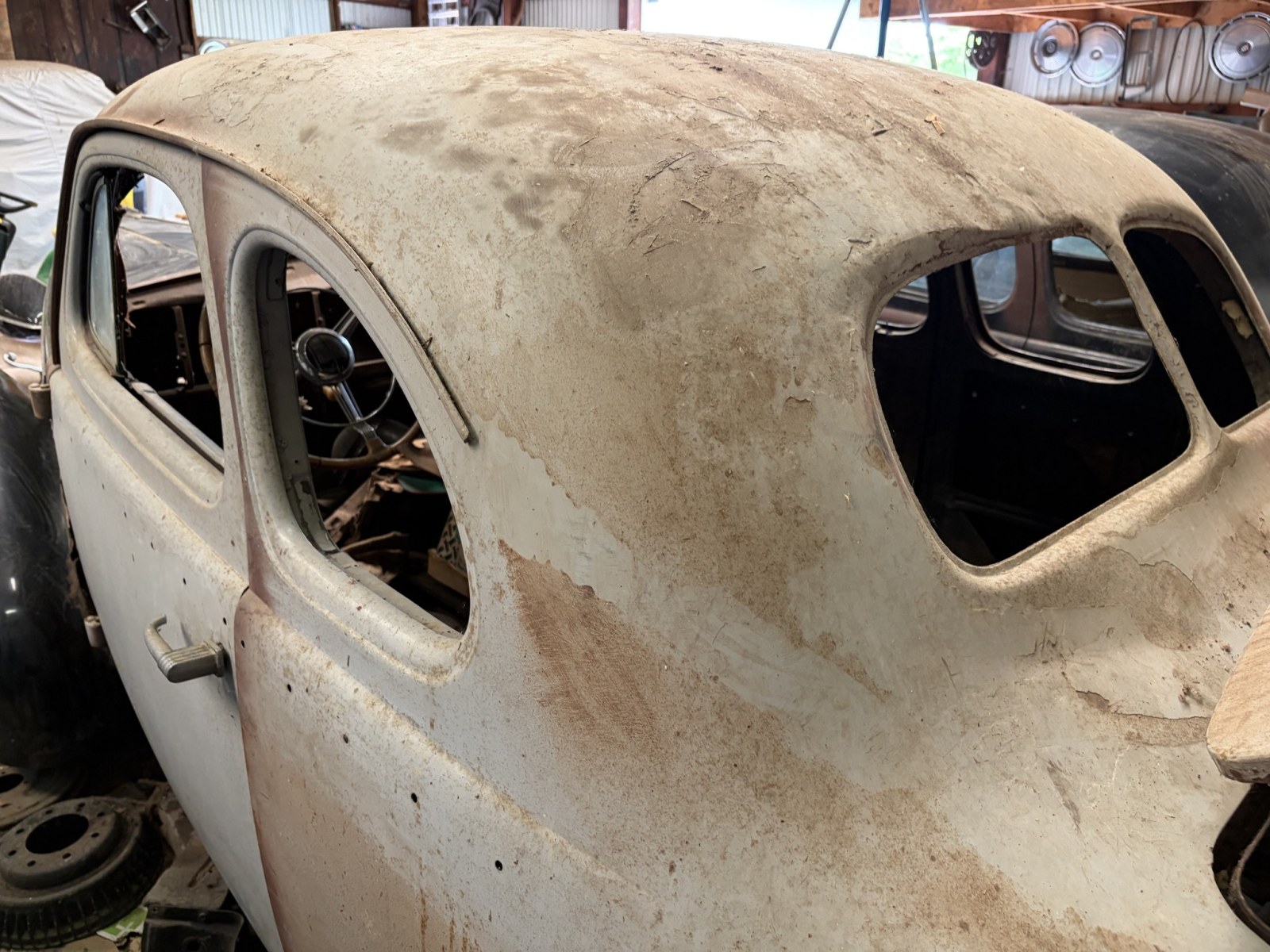
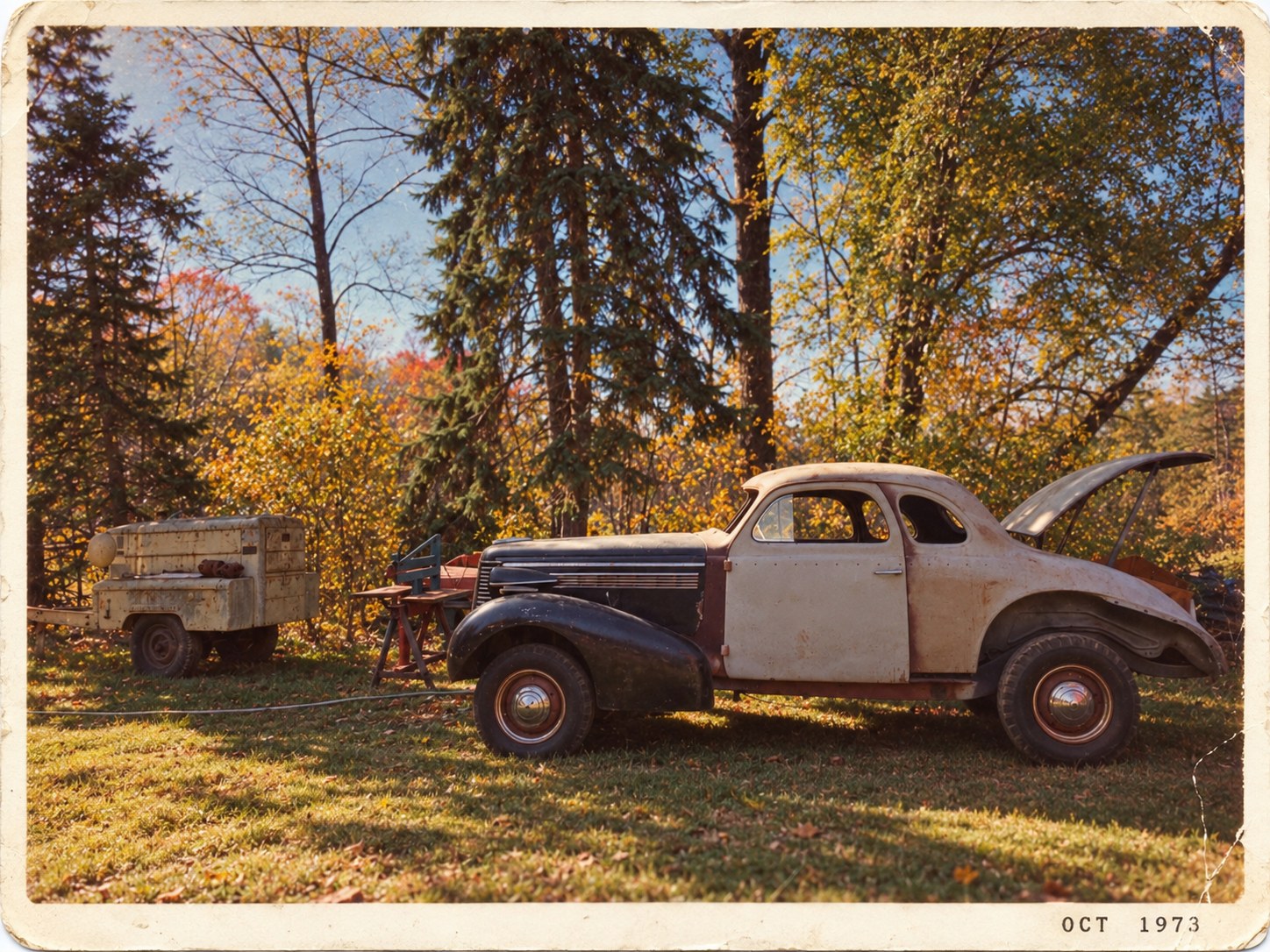
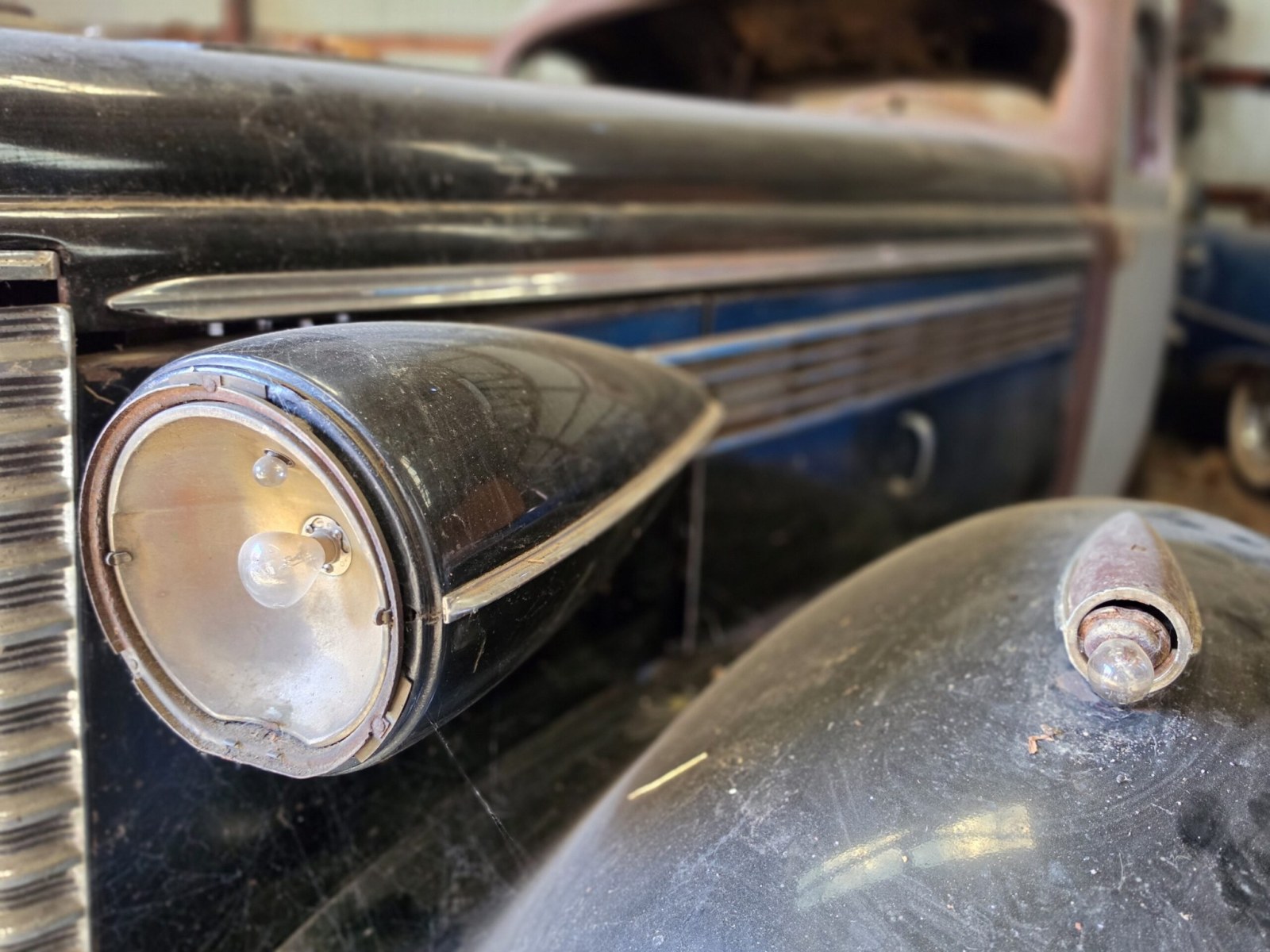
He loved all Buicks, especially the 1938s. These are original, unrestored cars, photographed outdoors and in the barn.
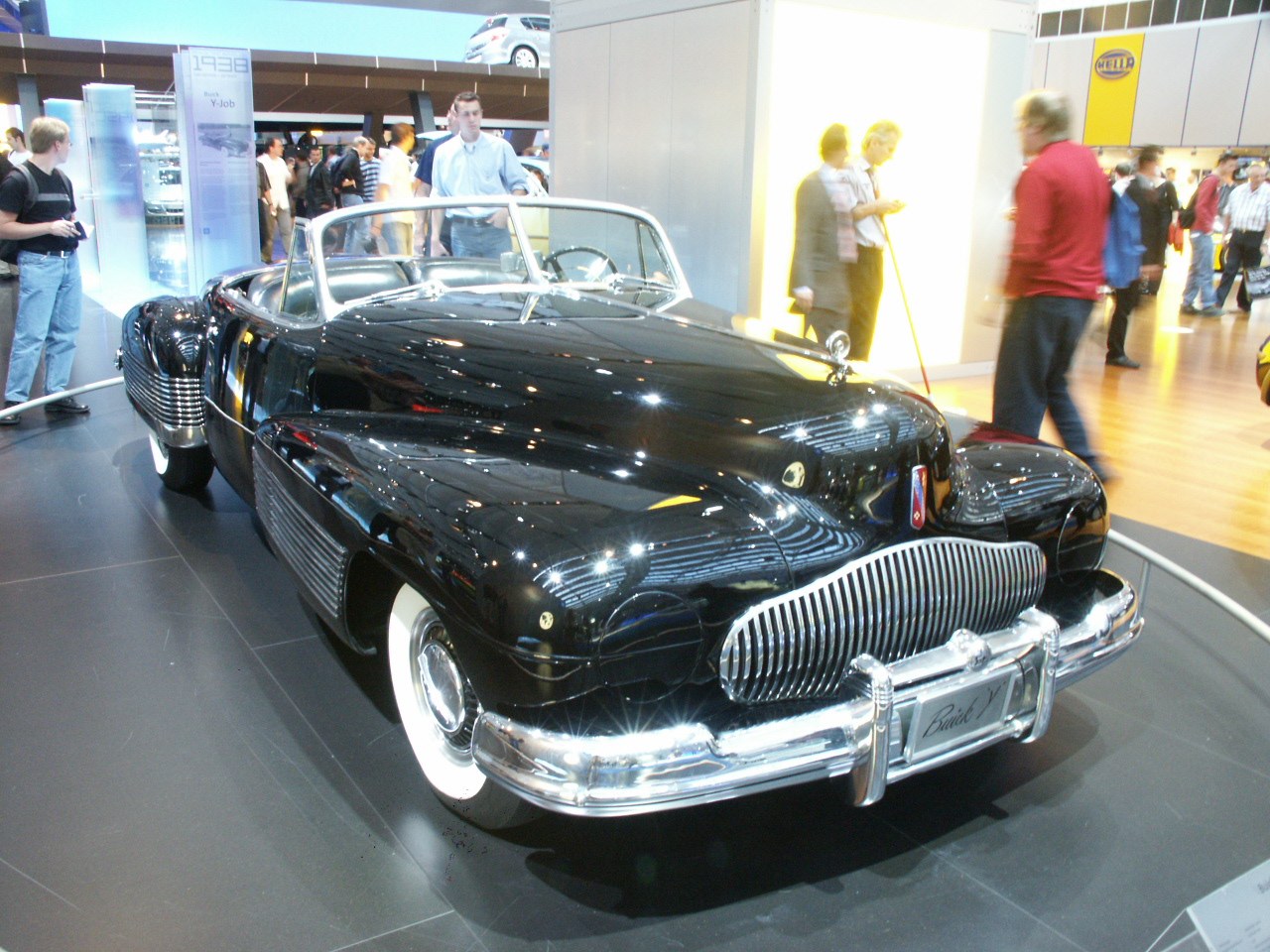
Dad always brought up Harley Earl’s name. Earl led General Motors’ Art and Colour Section, later called Styling, and oversaw the 1938 Buick Y-Job, often called the first concept car.
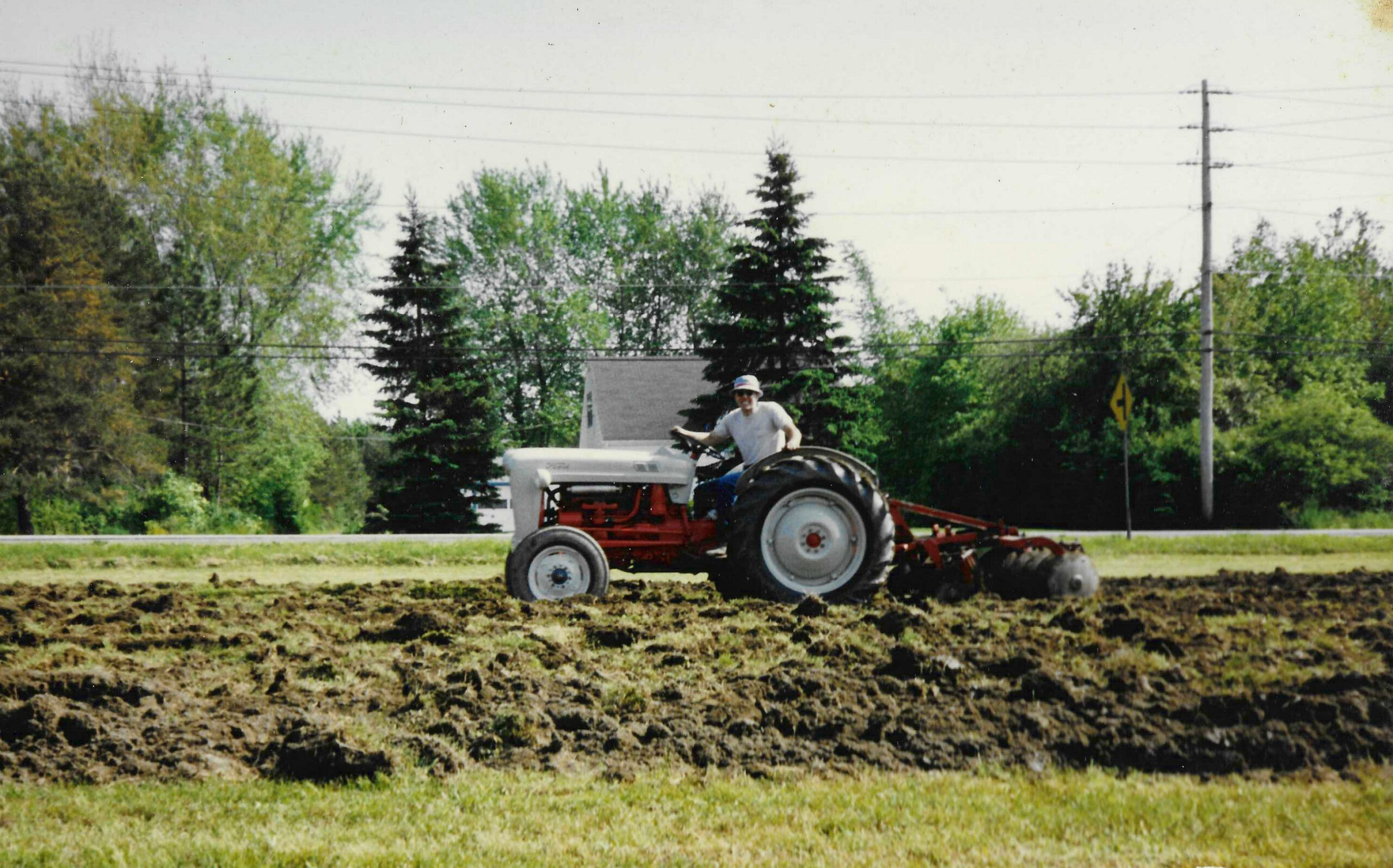
Dad Through the Years
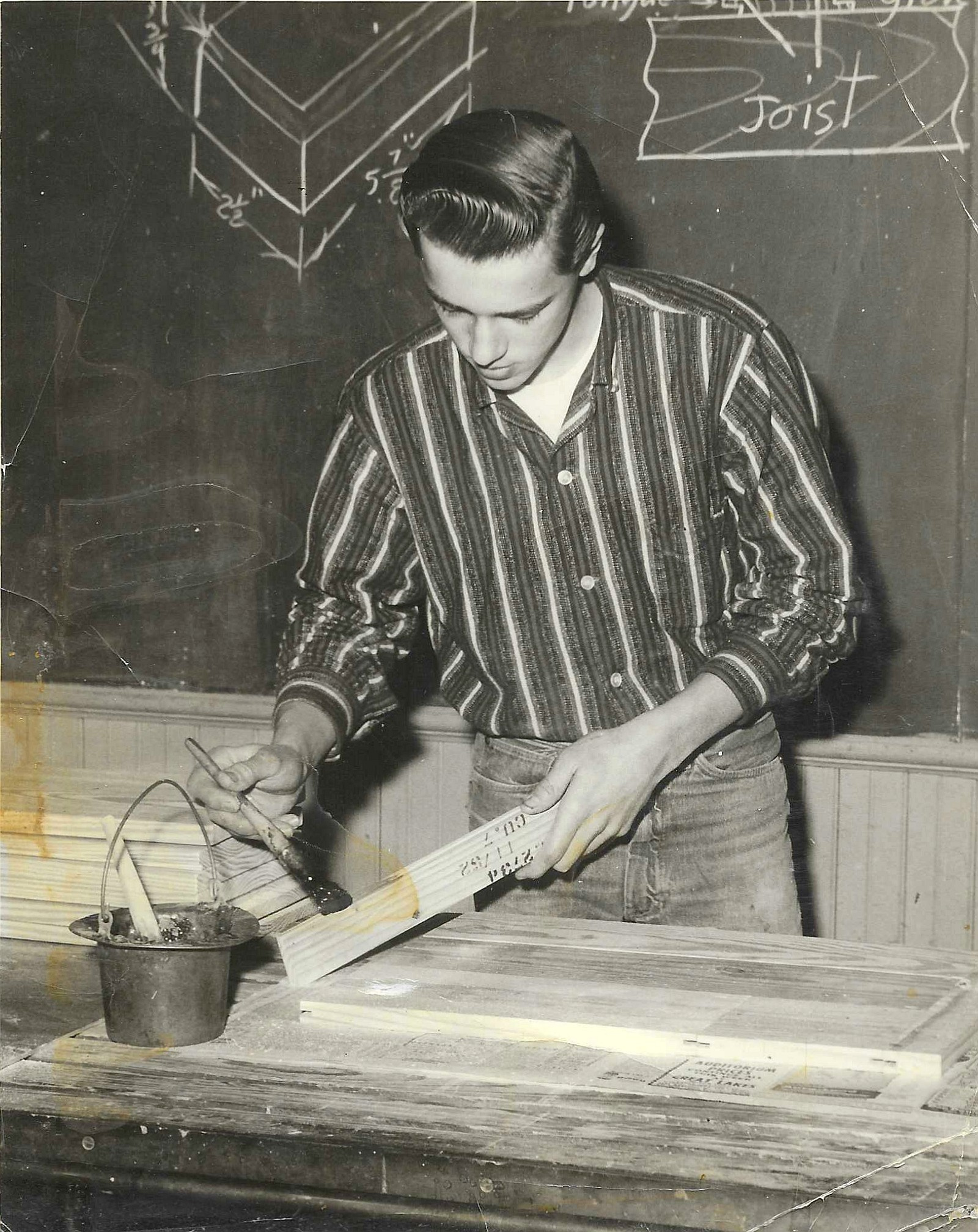
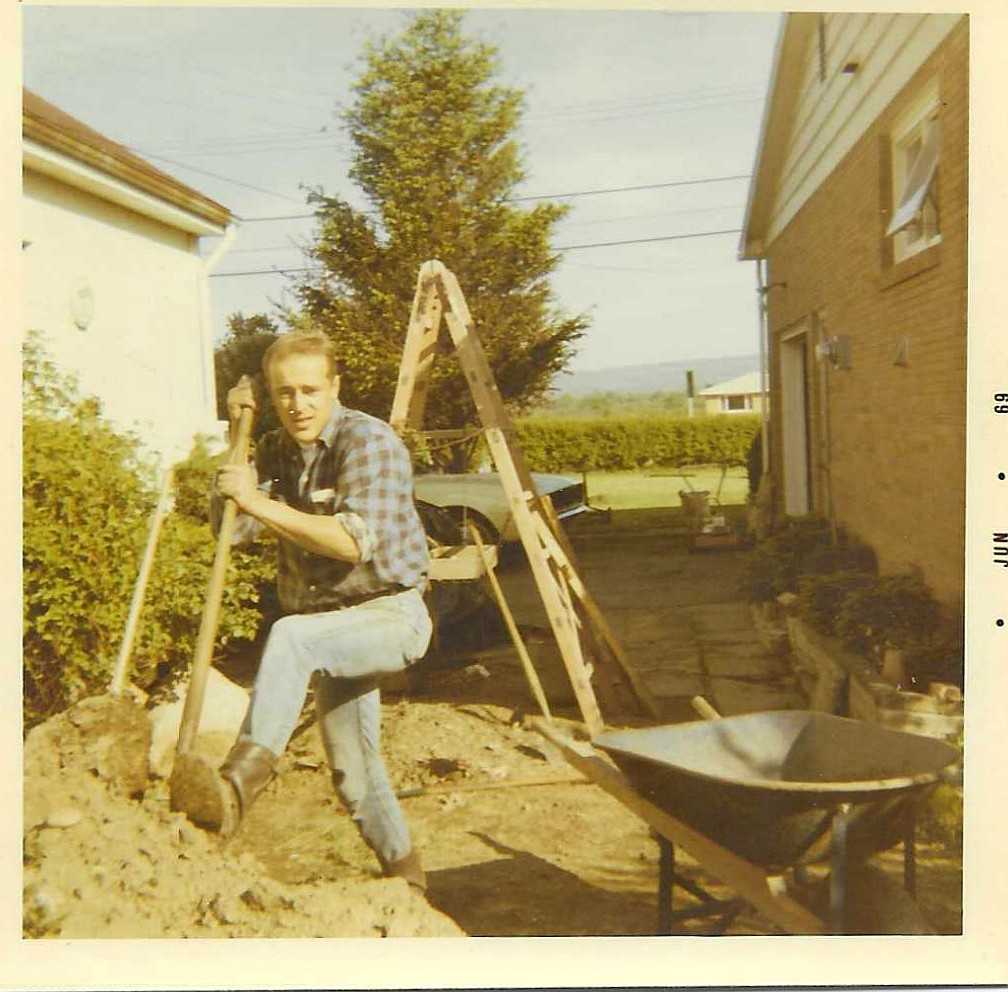
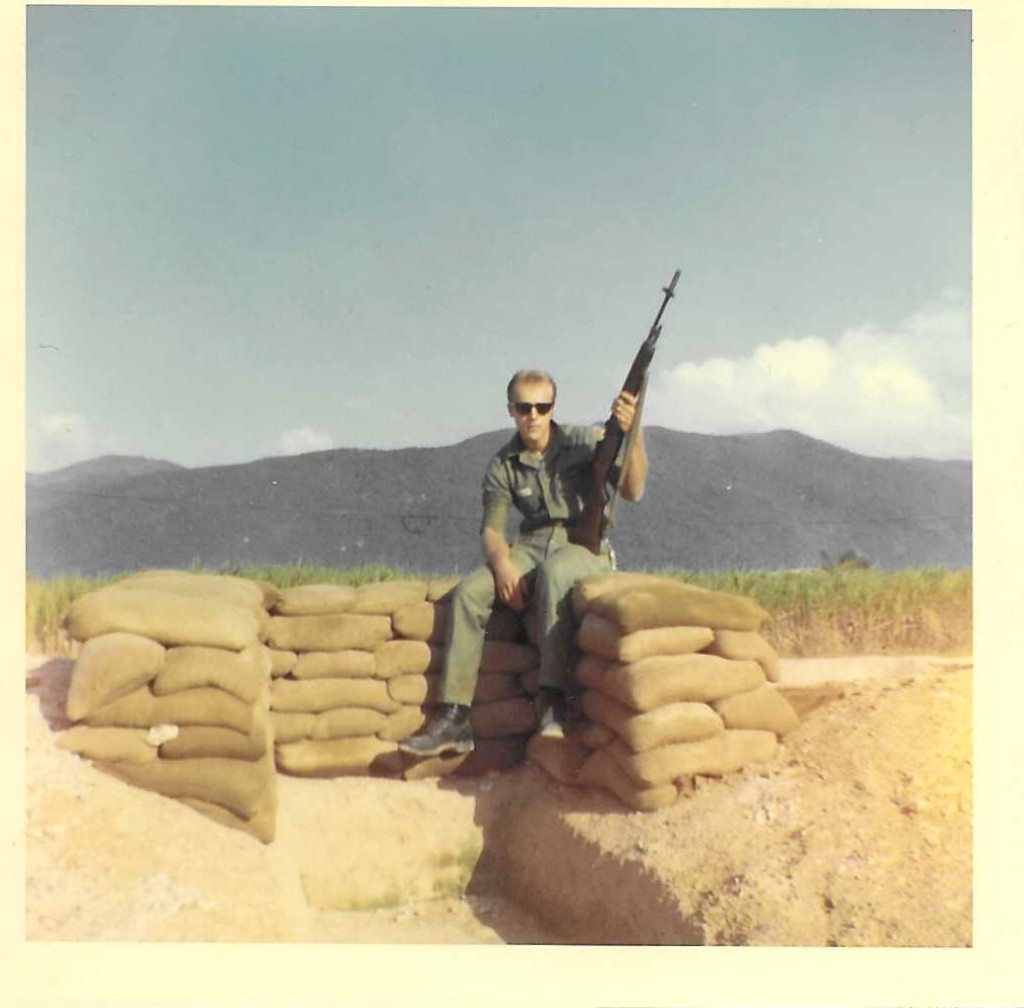
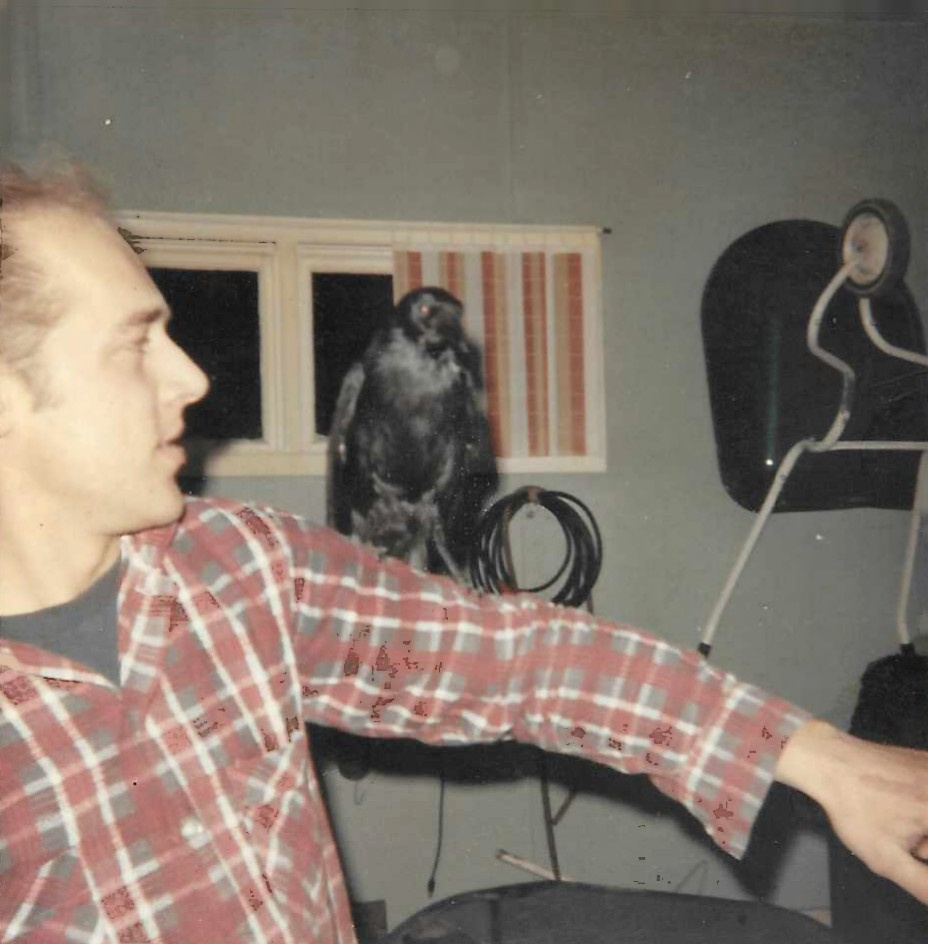
About the 1938 Buick
Dad talked about the 1938 Buick continuously while we were growing up, and until he died. For him, 1938 Buick was everything. He loved all Buicks, and he really loved the Century, but he really loved those coupes — the look of them, the shape of them.
“A businessman’s coupe,”
as Dad would say
The Business Coupe
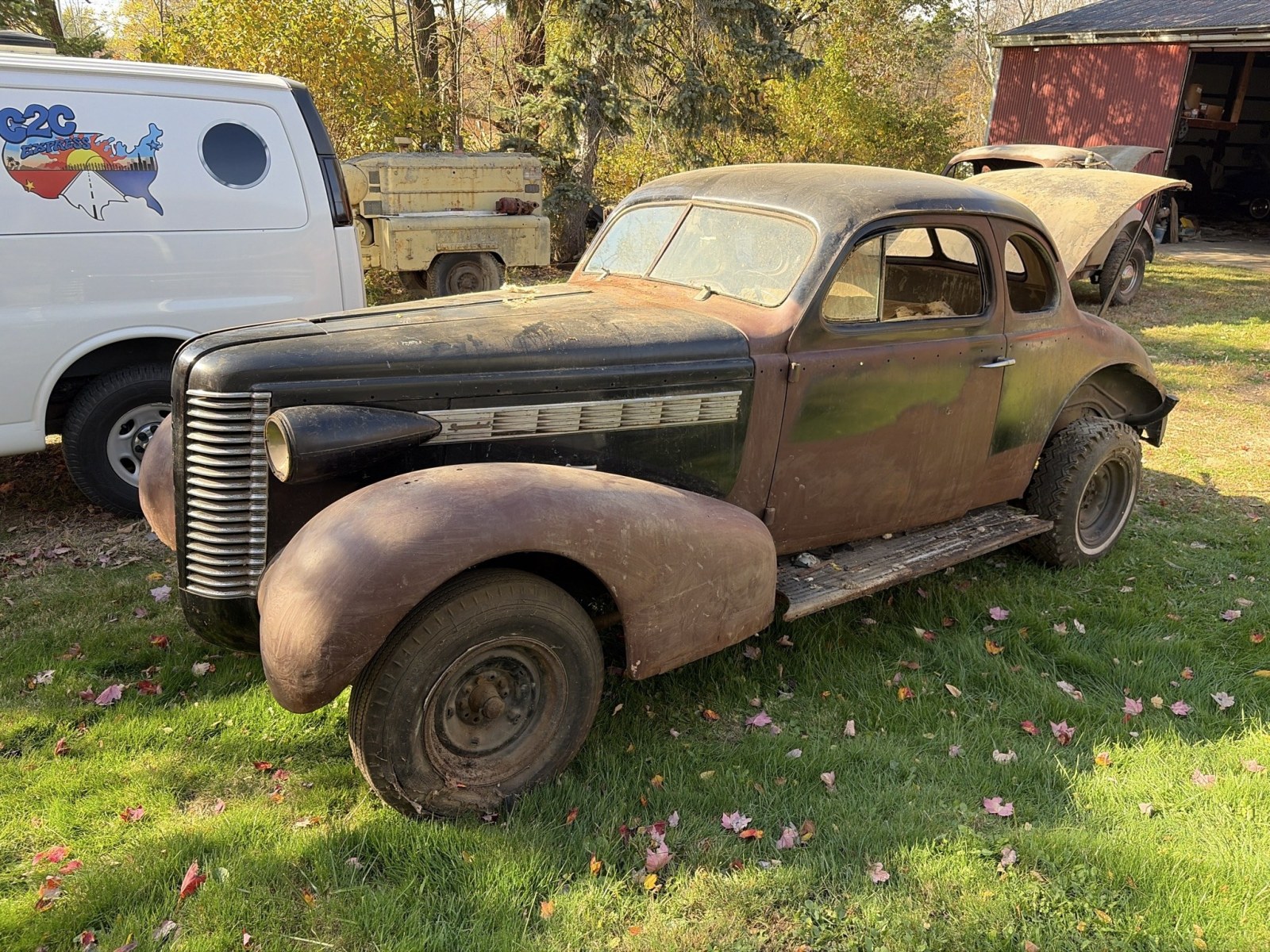
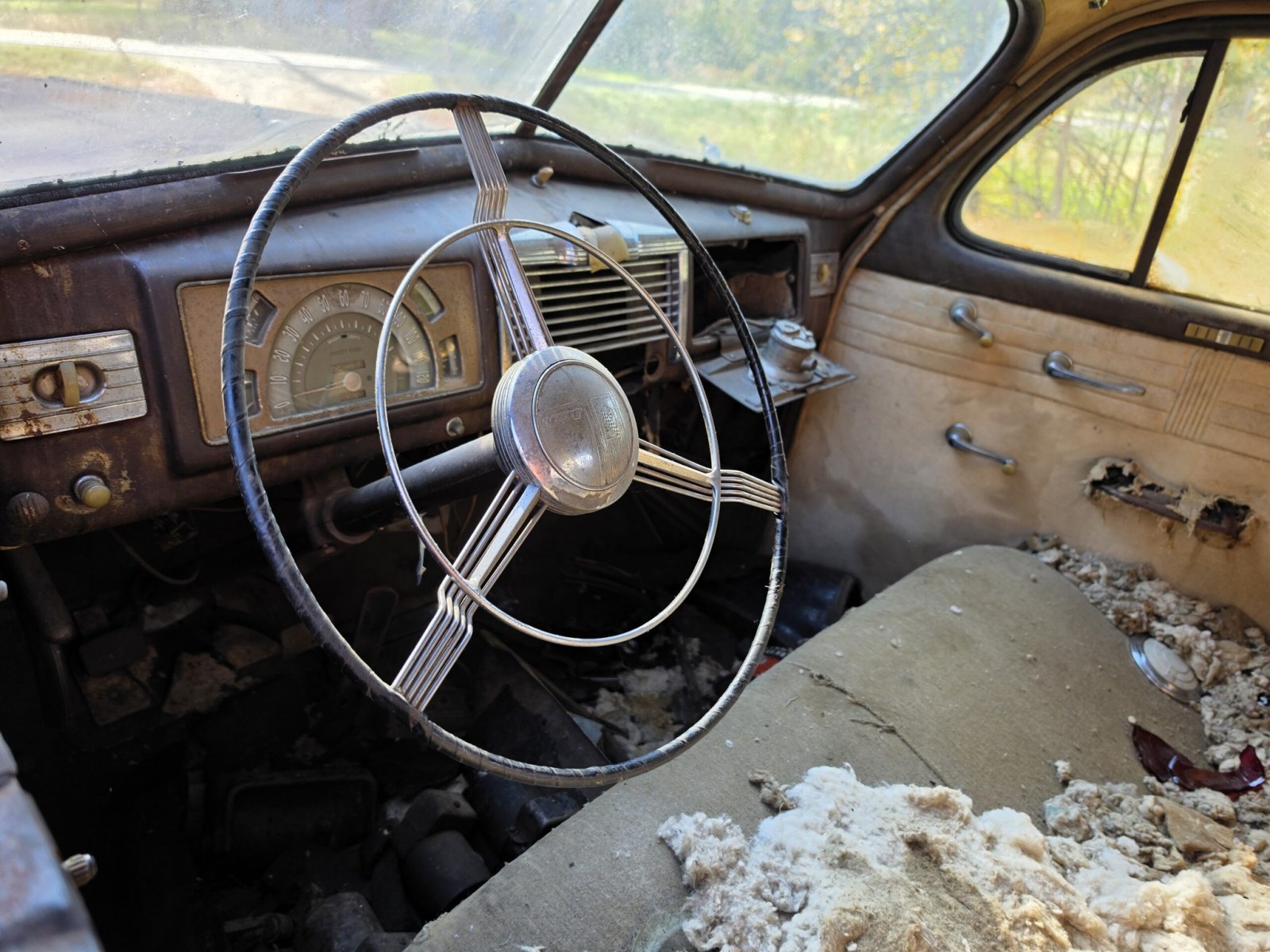
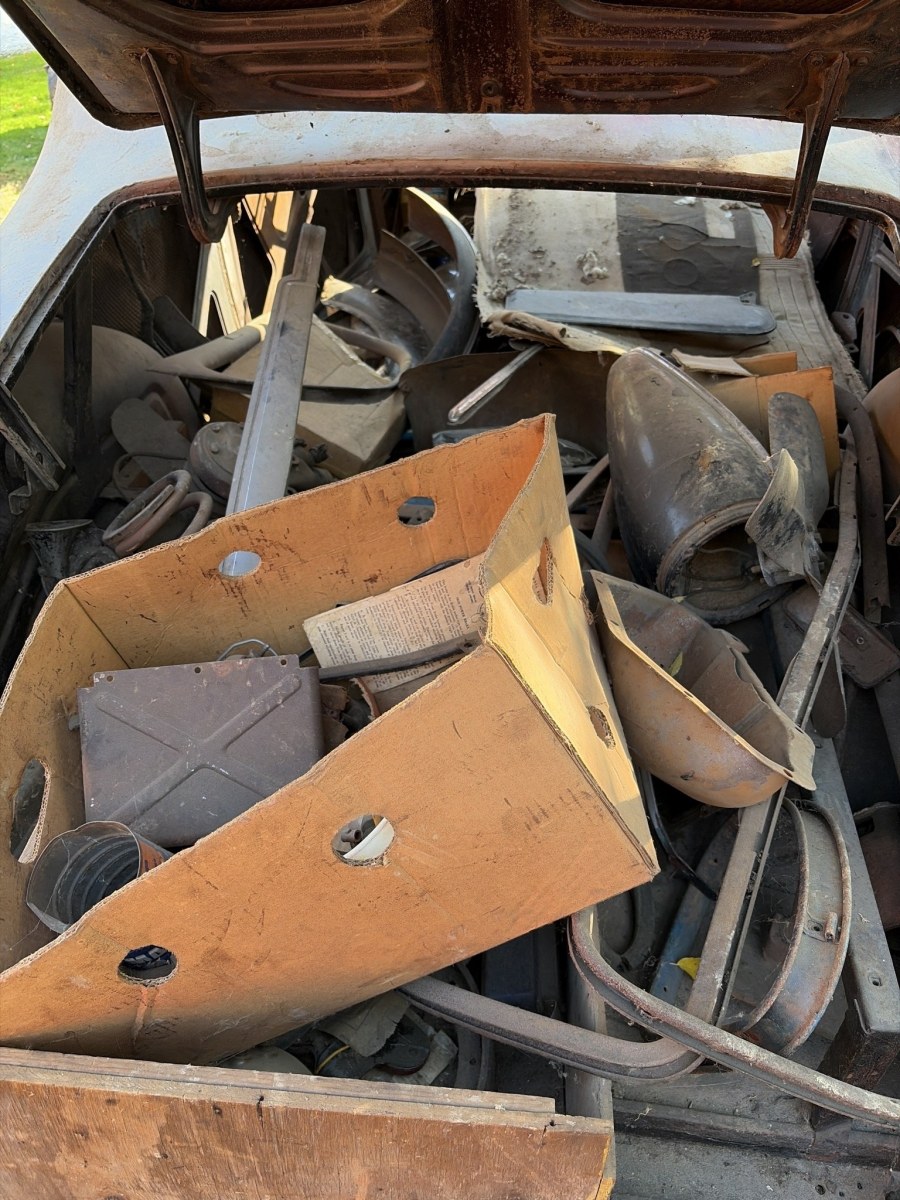
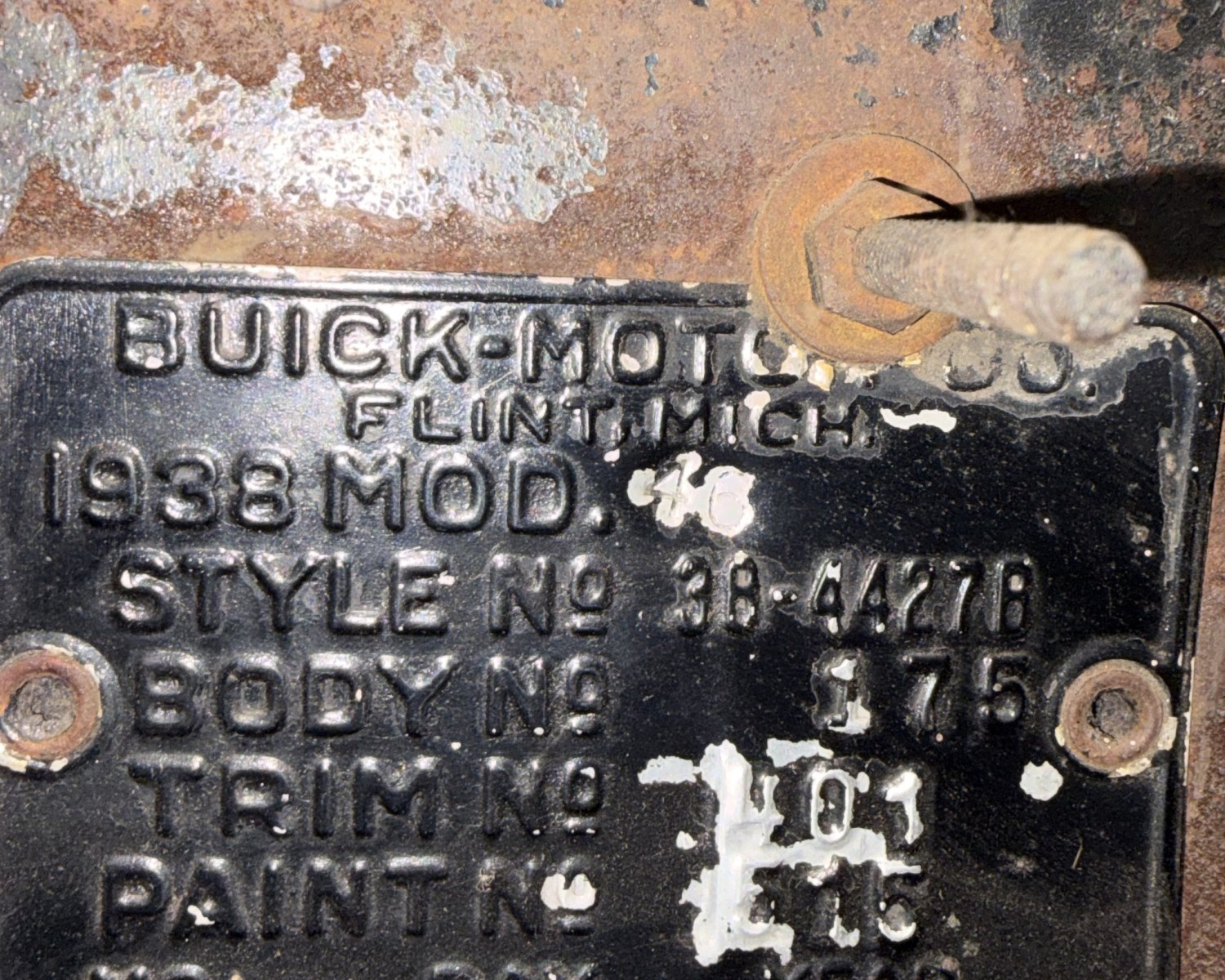
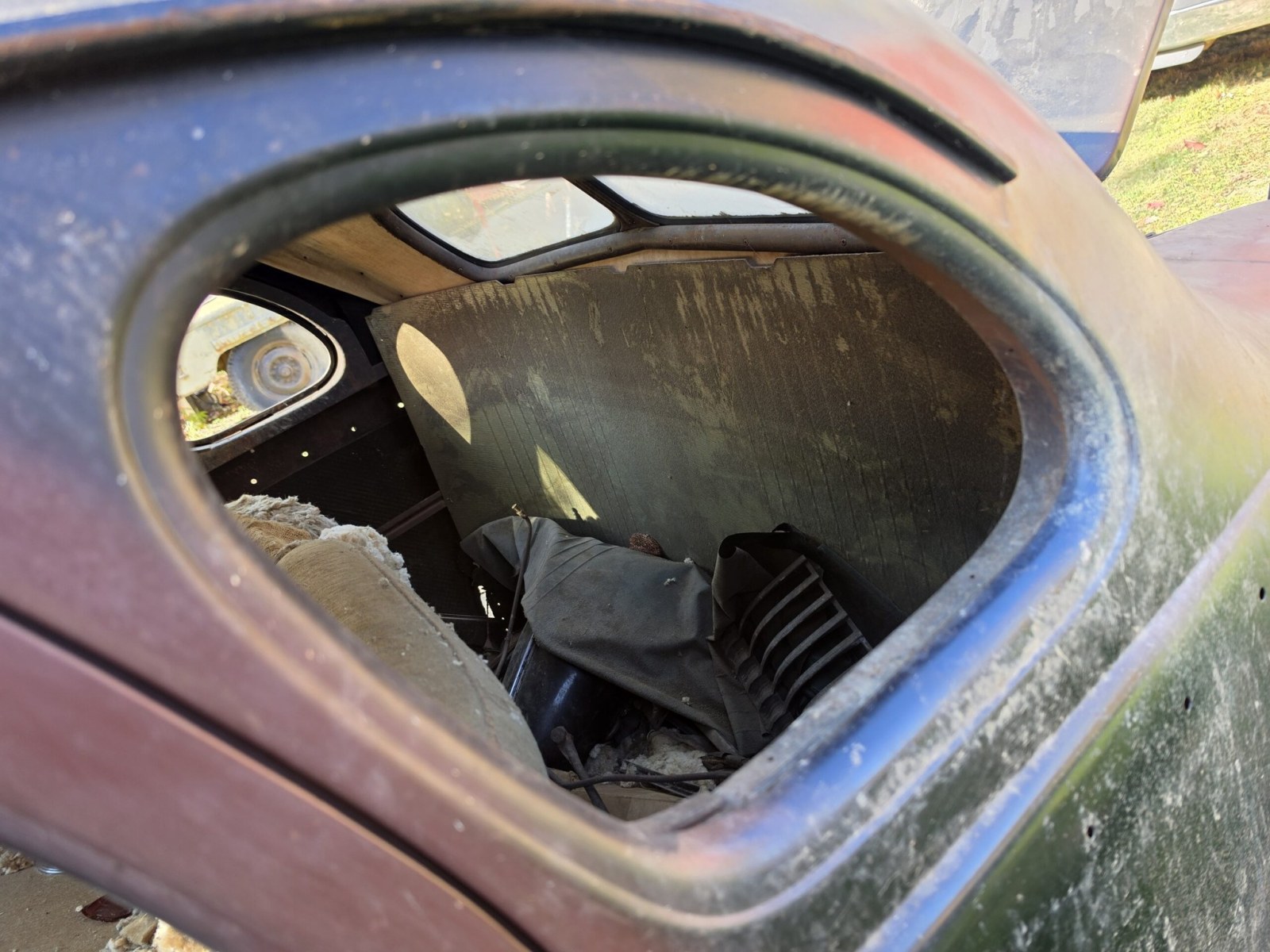
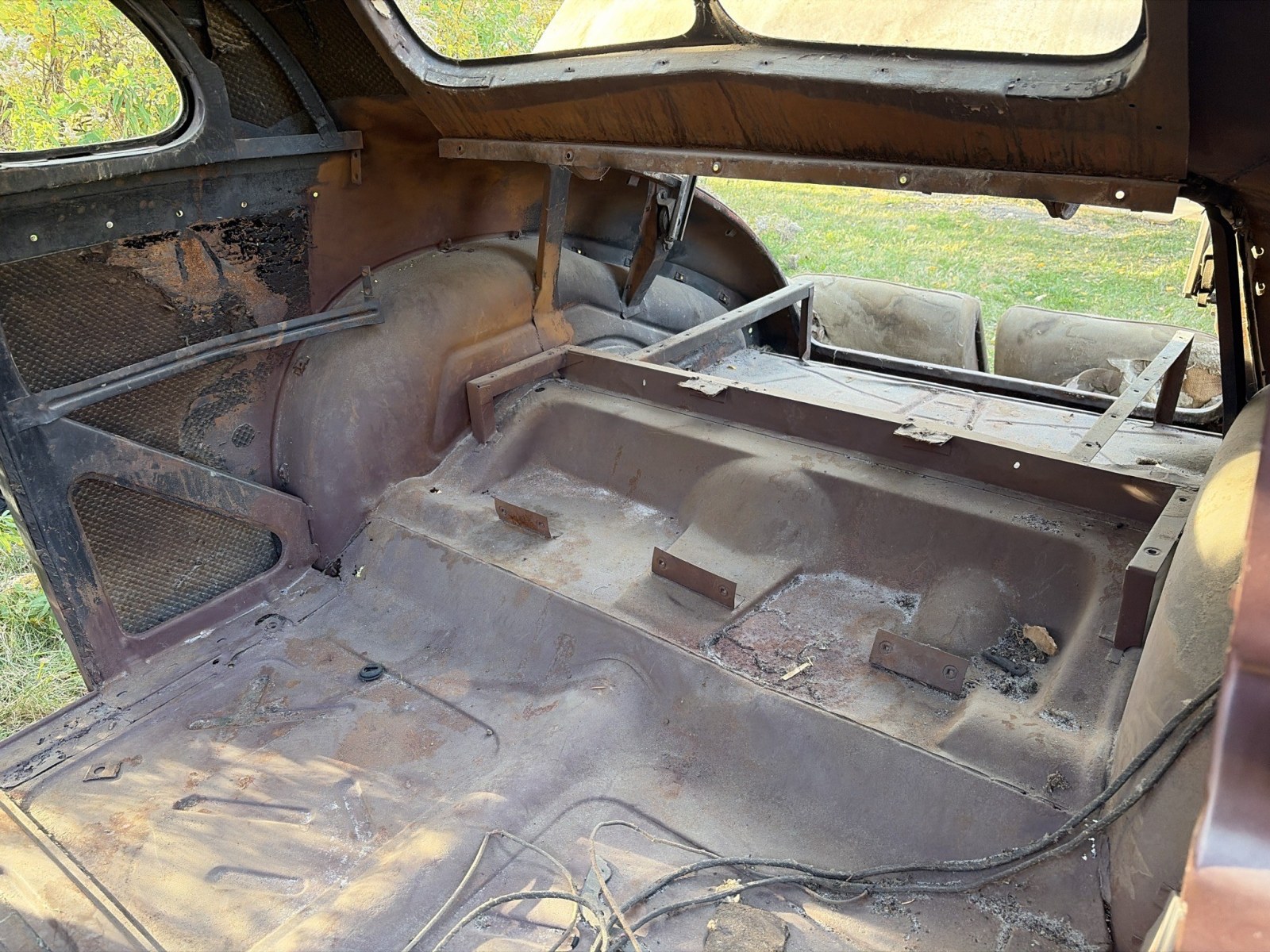
Buick’s 1938 Special Business Coupe was Model 46: a two-door, two-passenger car with no rear seat. Automakers built business coupes for traveling salesmen and other businessmen who needed the space behind the front seat, and the trunk, for sample cases and cargo. Dad’s two cars are original Specials: one a Model 46 Business Coupe, the other a 1938 Buick Special coupe. He liked the look of them, the shape of them — and, as he would say, that was “a businessman’s coupe.”
What made 1938 special
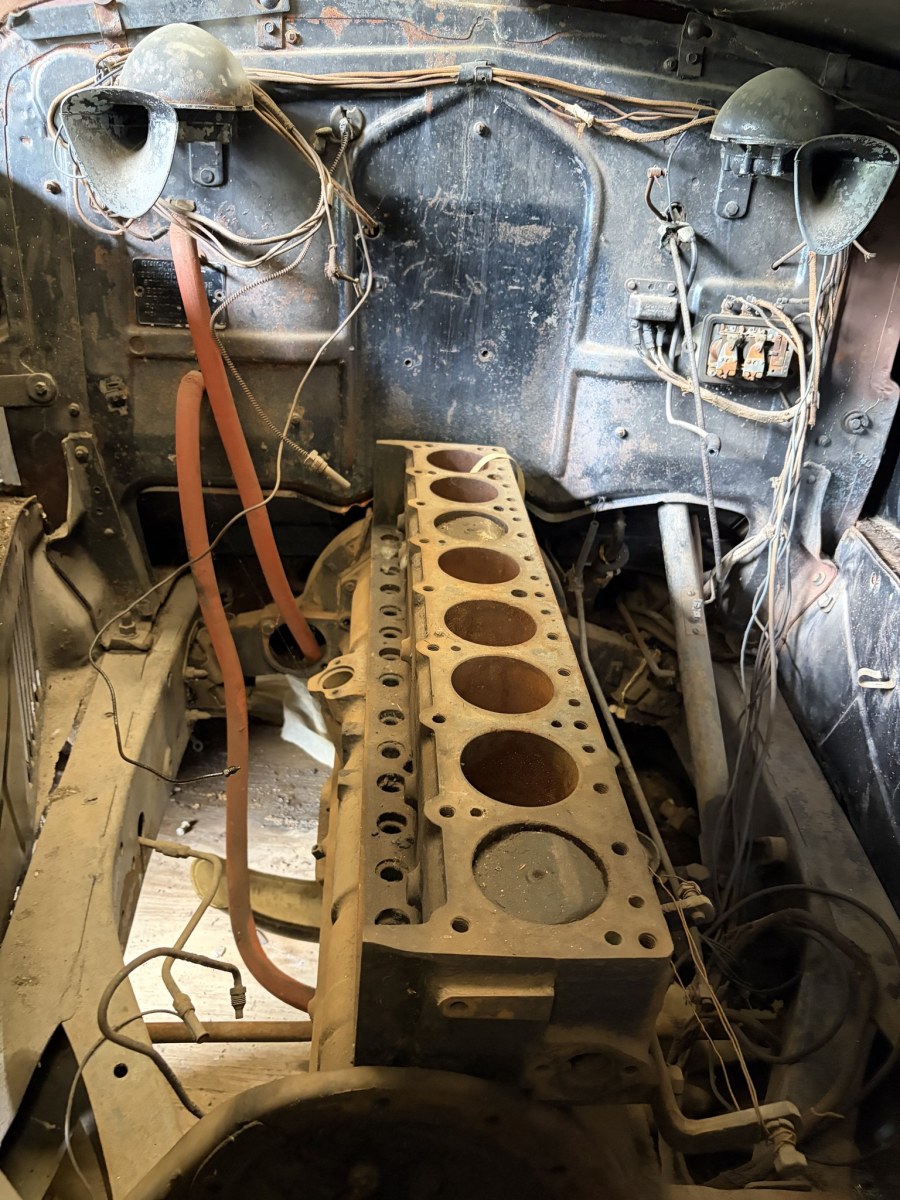
- The engines were advertised as the Dynaflash valve-in-head straight-eight. New domed “Turbulator” pistons and higher compression raised output from the year before: the Special from 100 to 107 horsepower, and the Century, Roadmaster, and Limited from 130 to 141, with no change in engine size.
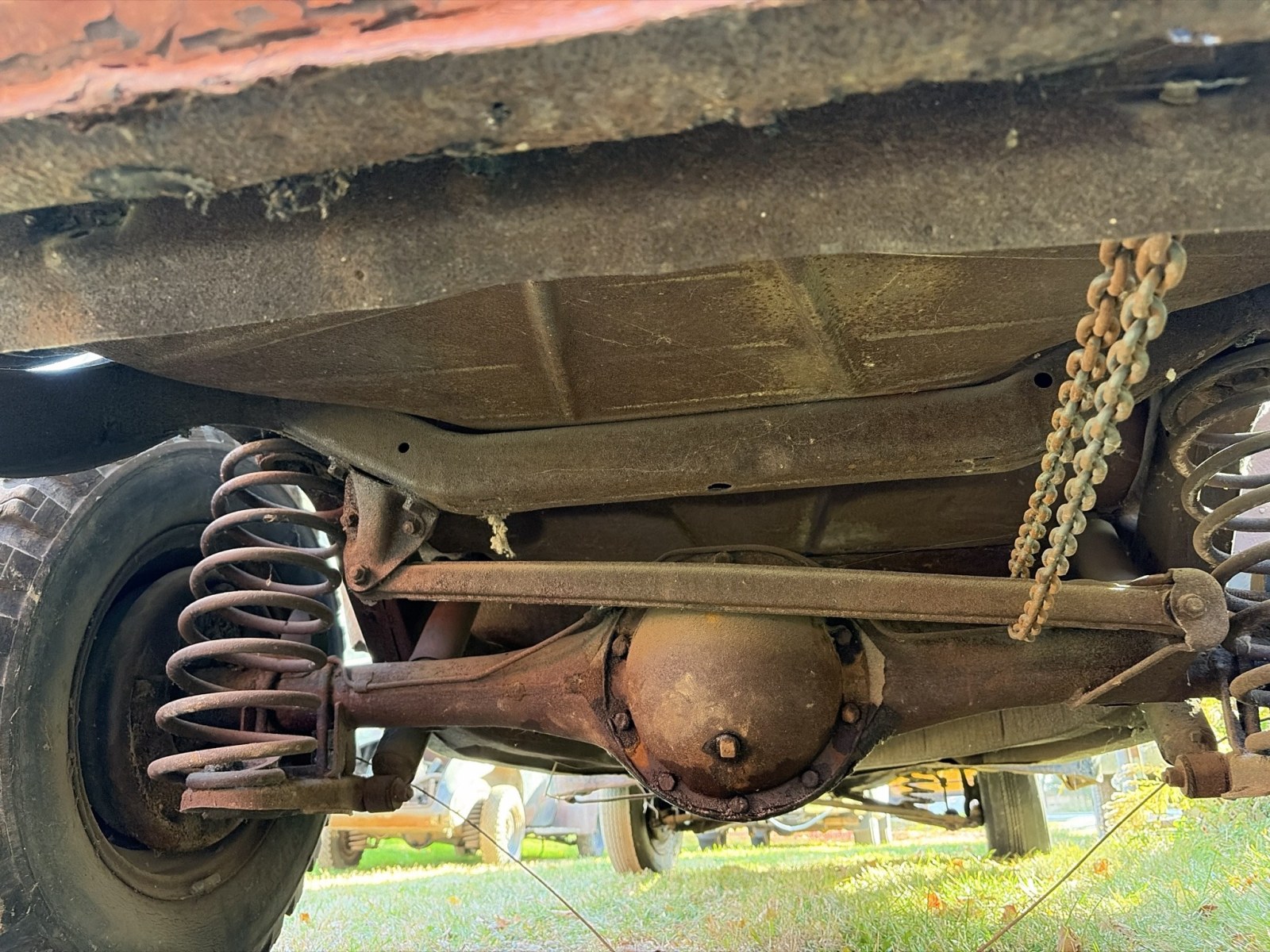
- Buick called its new rear coil springs Torque-Free springing. That design depended on Buick’s torque-tube drive, which encloses the driveshaft and takes the driving and braking thrust so the coil springs carry only the car’s weight. Front coils had been used since 1934; the rear coils were new for 1938, giving coil springs at all four wheels.
- A four-speed semi-automatic, which Buick called the Self-Shifting Transmission, was optional on the Special (Series 40) only, and only for 1938.
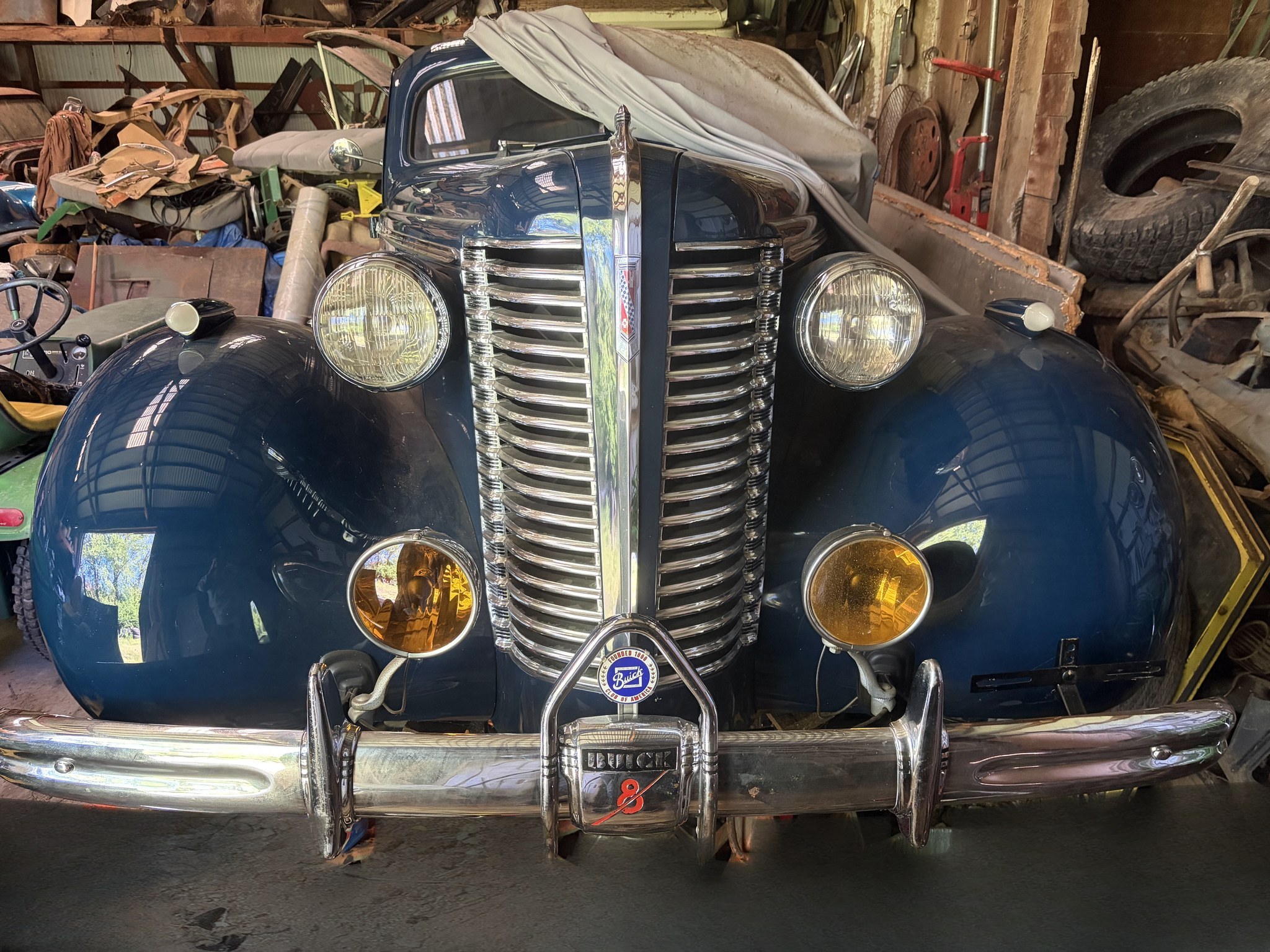
- The bodies were a refinement of 1937. The chief styling change was a new grille with fewer, thicker horizontal bars.
The 1938 lineup
| Special Series 40 | Century Series 60 | Roadmaster Series 80 | Limited Series 90 | |
|---|---|---|---|---|
| Engine | 248-cid Dynaflash straight-eight | 320.2-cid Dynaflash straight-eight | 320.2-cid Dynaflash straight-eight | 320.2-cid Dynaflash straight-eight |
| Horsepower | 107 | 141 | 141 | 141 |
| Wheelbase | 122 in. | 126 in. | 133 in. | 140 in. |
The Century put that larger 320-cubic-inch engine into a lighter, shorter body — the same idea that, from 1936 on, earned it the nickname “banker’s hot rod.” The name Century alluded to 100 miles an hour.
1936–1938
- 1936Under Harlow Curtice, Buick gave the old numbered series familiar names: Special (Series 40), Century (Series 60), Roadmaster (Series 80), and Limited (Series 90). The Century received the big 320-cubic-inch straight-eight in a lighter body, while the Special used a 233-cubic-inch eight rated at 93 horsepower. The senior engine was rated at 120 horsepower.
- 1937The Special’s engine grew to 248 cubic inches and 100 horsepower; the senior engine was raised to 130. The Special rode a 122-inch wheelbase, the Century a 126-inch wheelbase.
- 1938Dynaflash and the Turbulator pistons, Torque-Free rear coil springs made possible by Buick’s torque-tube drive, the Self-Shifting option on the Special, and a refined grille arrived in the same year Harley Earl’s Buick Y-Job was built. In a down year for the industry, Buick still moved up to fourth place, behind Chevrolet, Ford, and Plymouth.
Did you know?
- The 1938 Buick Y-Job is often called the auto industry’s first concept car: a car built to show new ideas, not to be sold. It was designed under Harley Earl, who led General Motors’ Art and Colour Section, later renamed Styling. The Y-Job was built on a modified Buick chassis, and Earl later drove it as his personal car.
- Torque-Free springing was practical only with the torque tube. The tube encloses the driveshaft and locates the rear axle fore and aft, carrying driving and braking thrust so the new rear coil springs could work as springs alone.
- Buick, based in Flint, Michigan, had long advertised its overhead-valve engines with the phrase “Valve-in-Head.” The 1938 Dynaflash eights carried that tradition forward.
- The Century’s formula — the Roadmaster’s large straight-eight in a lighter car — is why enthusiasts still call it the “banker’s hot rod.”
Sources: 1938 Buick sales folder (Dynaflash, Torque-Free springing, torque-tube drive, horsepower); Buick Car Club of Australia, “1938 – Buick adopts coil springs in rear” (torque tube and coil springs); Hemmings, “1938 Century of Greatness”; Hemmings, “Dynaflash Maxed”; HowStuffWorks, “How Buick Works” (1938 grille); Special Interest Autos / Curbside Classic on the Self-Shifting Transmission; Mac’s Motor City Garage on the Century; Conceptcarz, 1938 Buick Series 60 Century (lineup and wheelbases); Library of Congress, HAER documentation of the Buick Y-Job; Wikimedia Commons, File:BuickY-Job(1938)1.JPG (photograph by Späth Chr., public domain).

These two original Specials — a business coupe and a 1938 Buick Special coupe — are now with a fellow Buick enthusiast who’ll carry them forward.
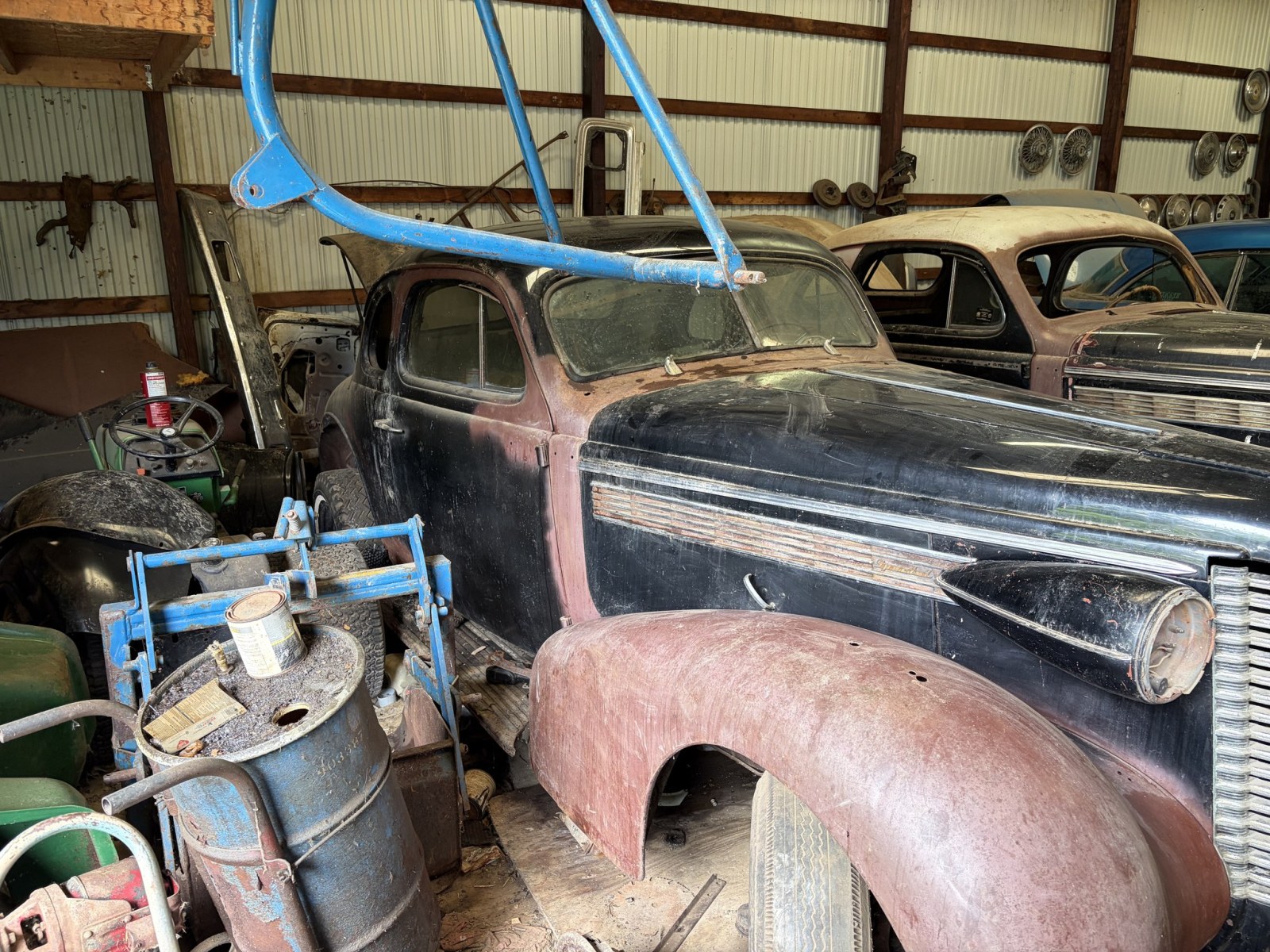
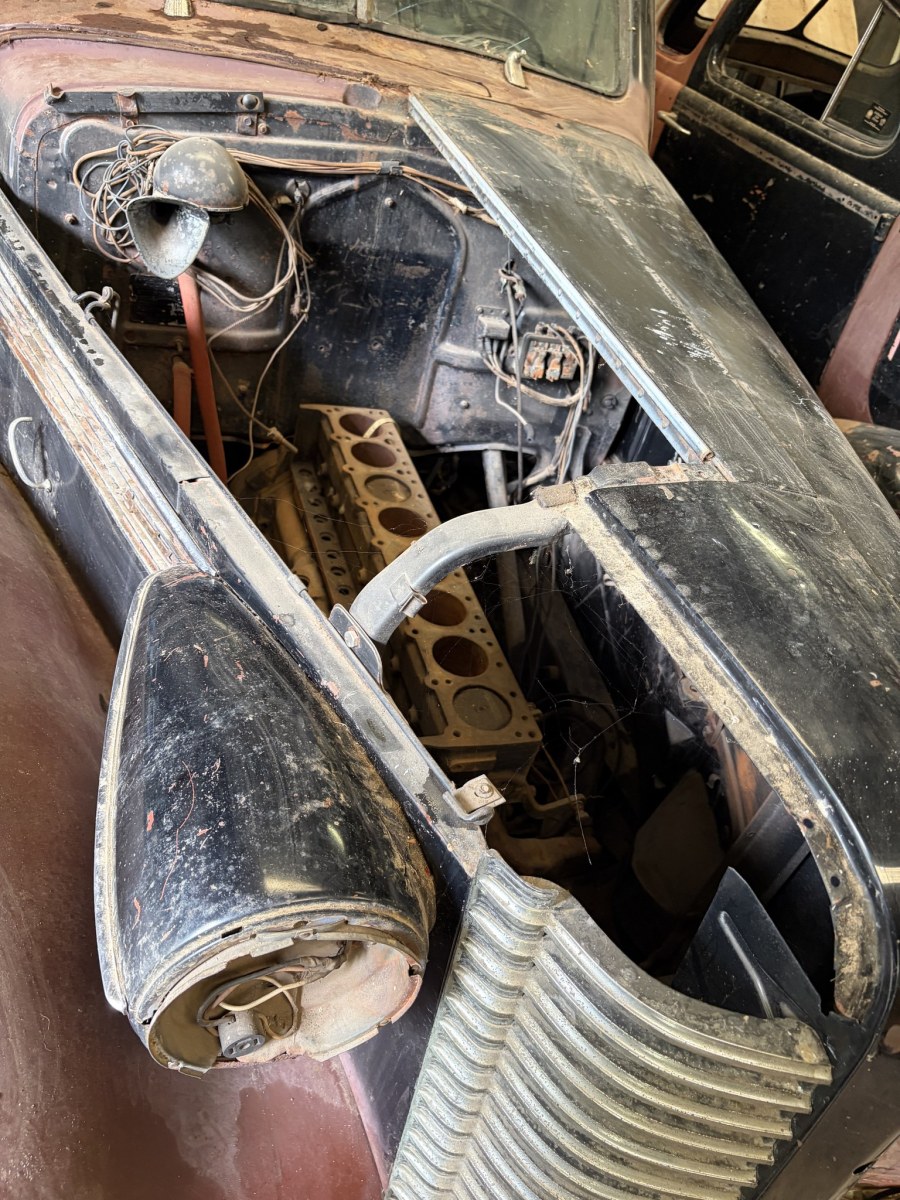
1938 Buick Special Business Coupe
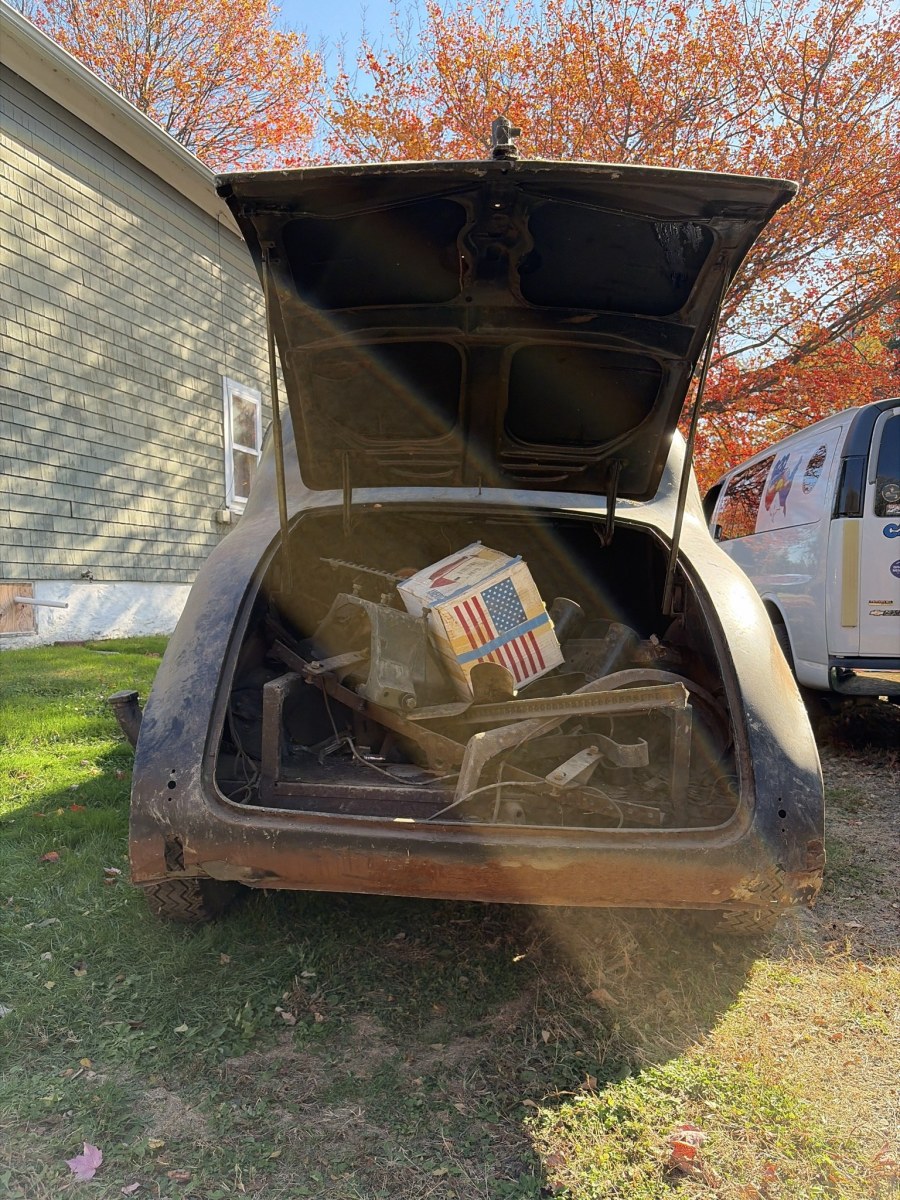
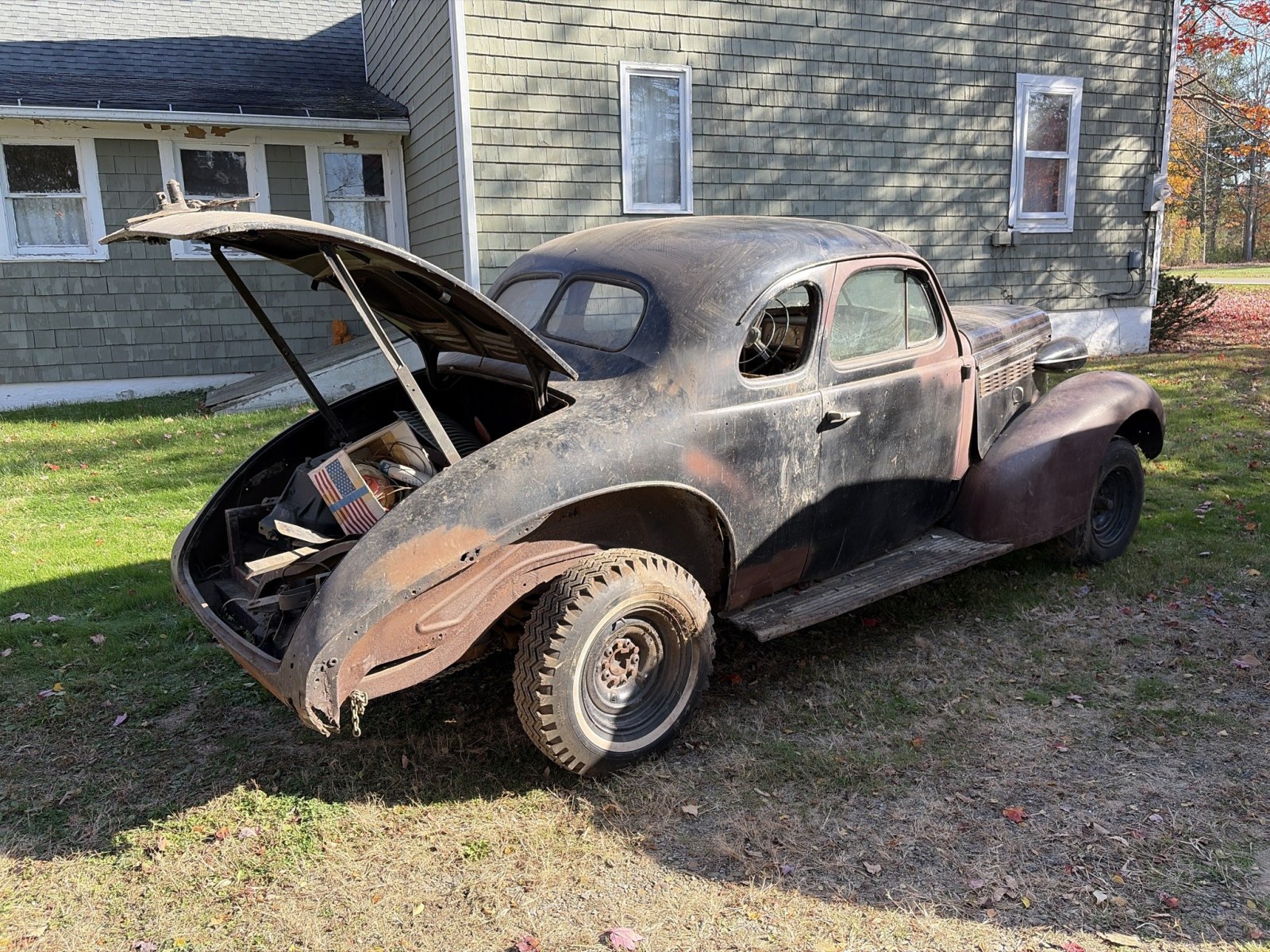
The Special business coupe (Mod. 46), including outdoor shots and the barn set with the Fisher Body tag.
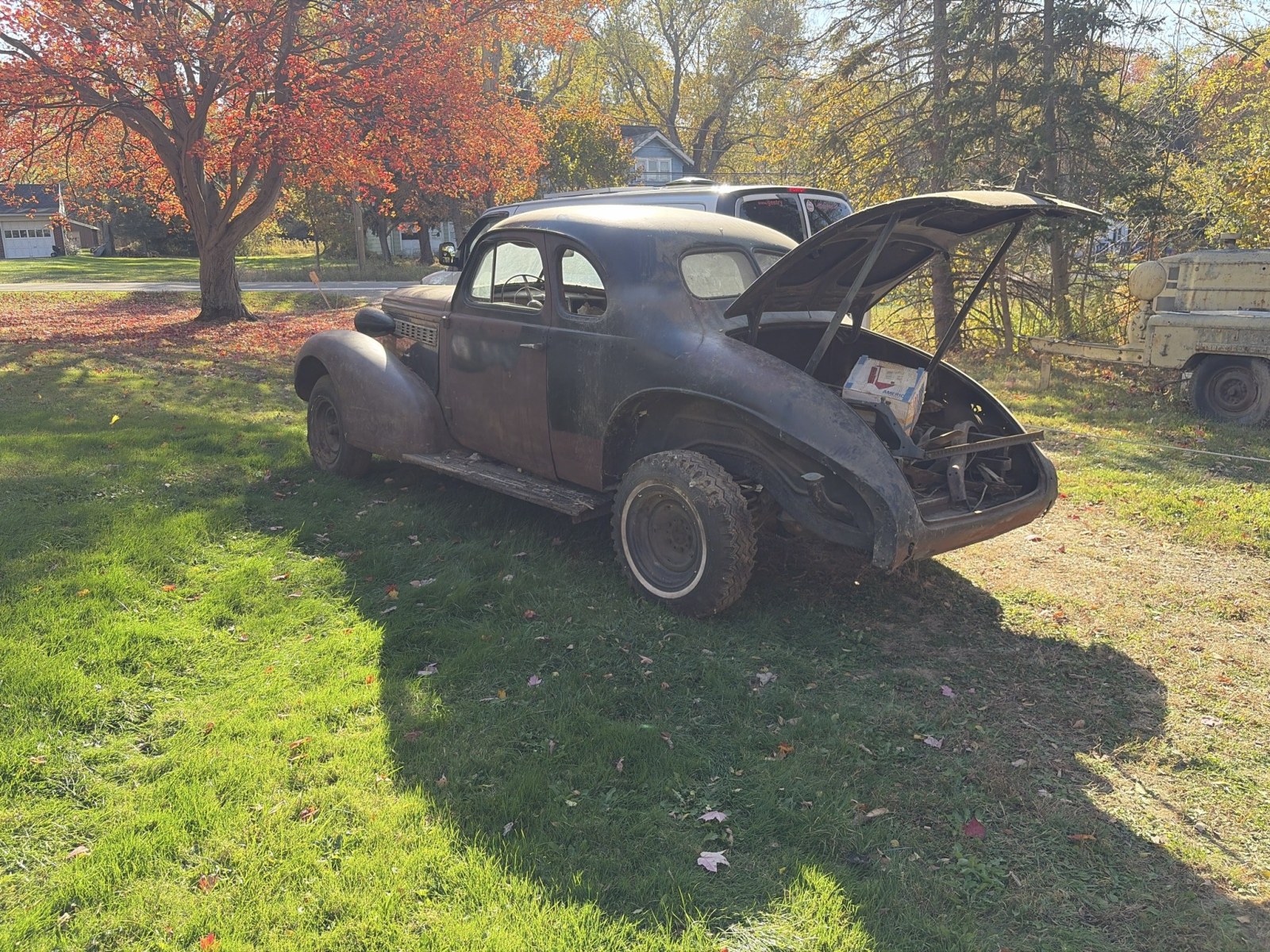

1938 Buick Special Coupe
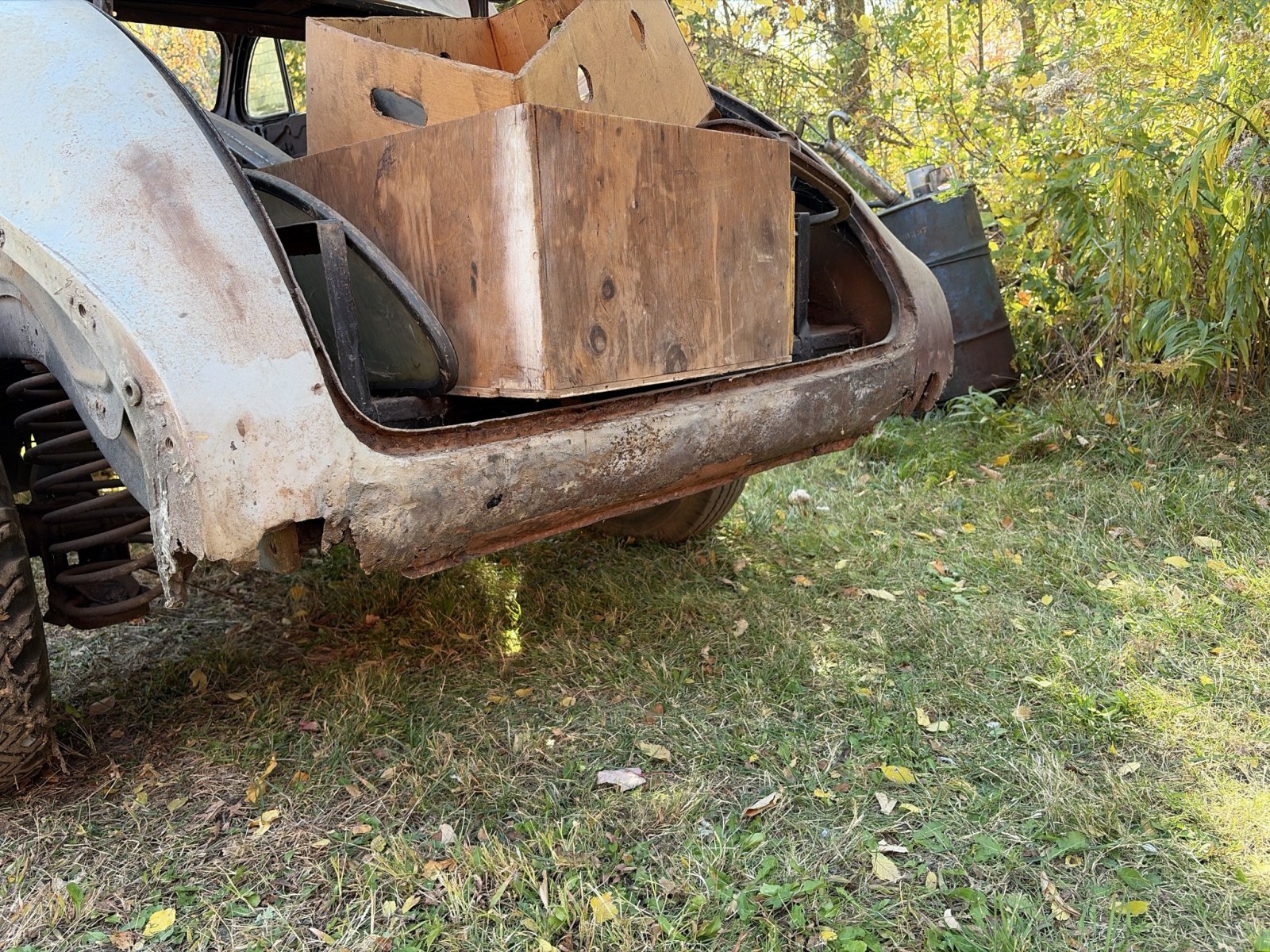
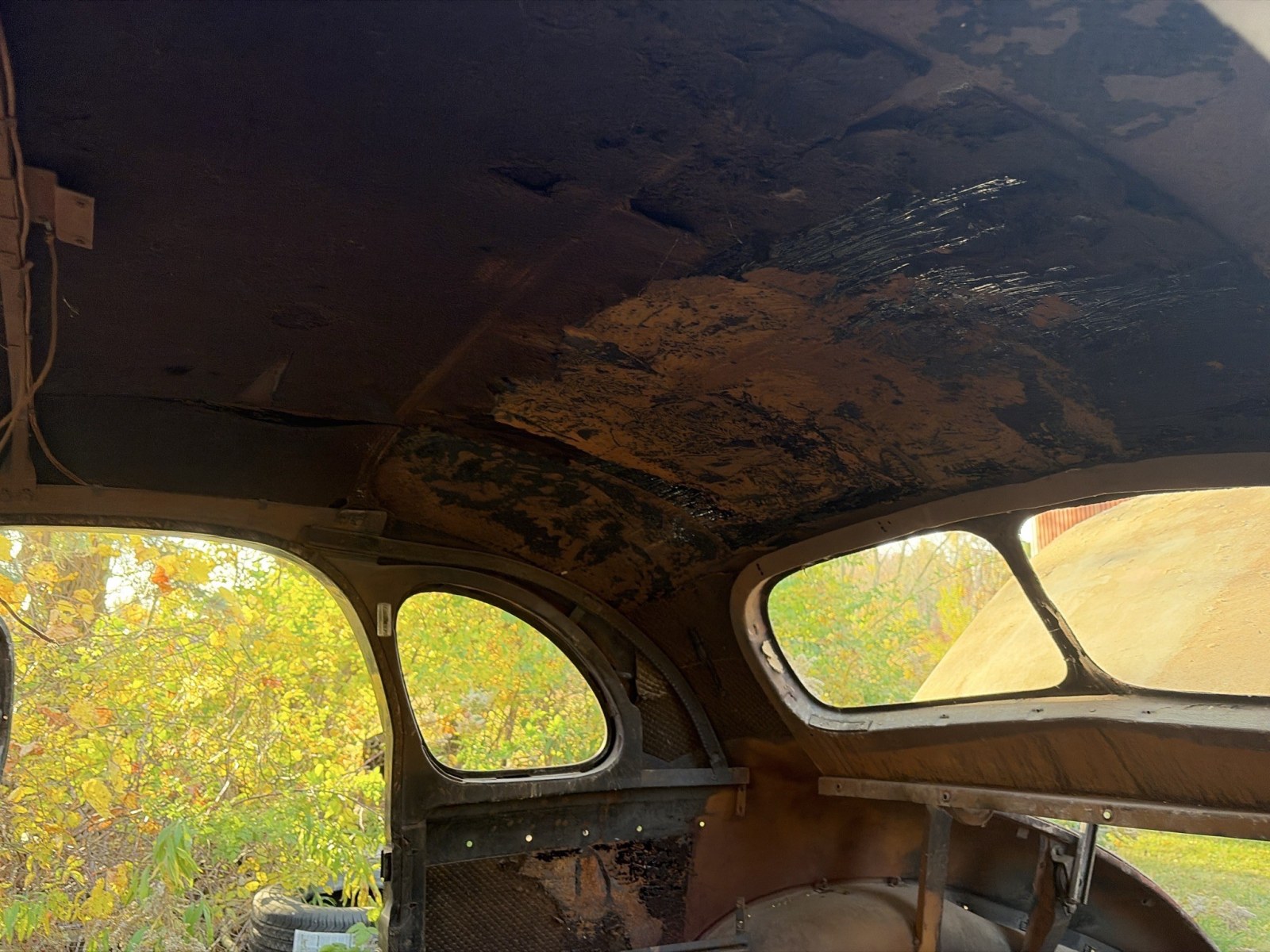
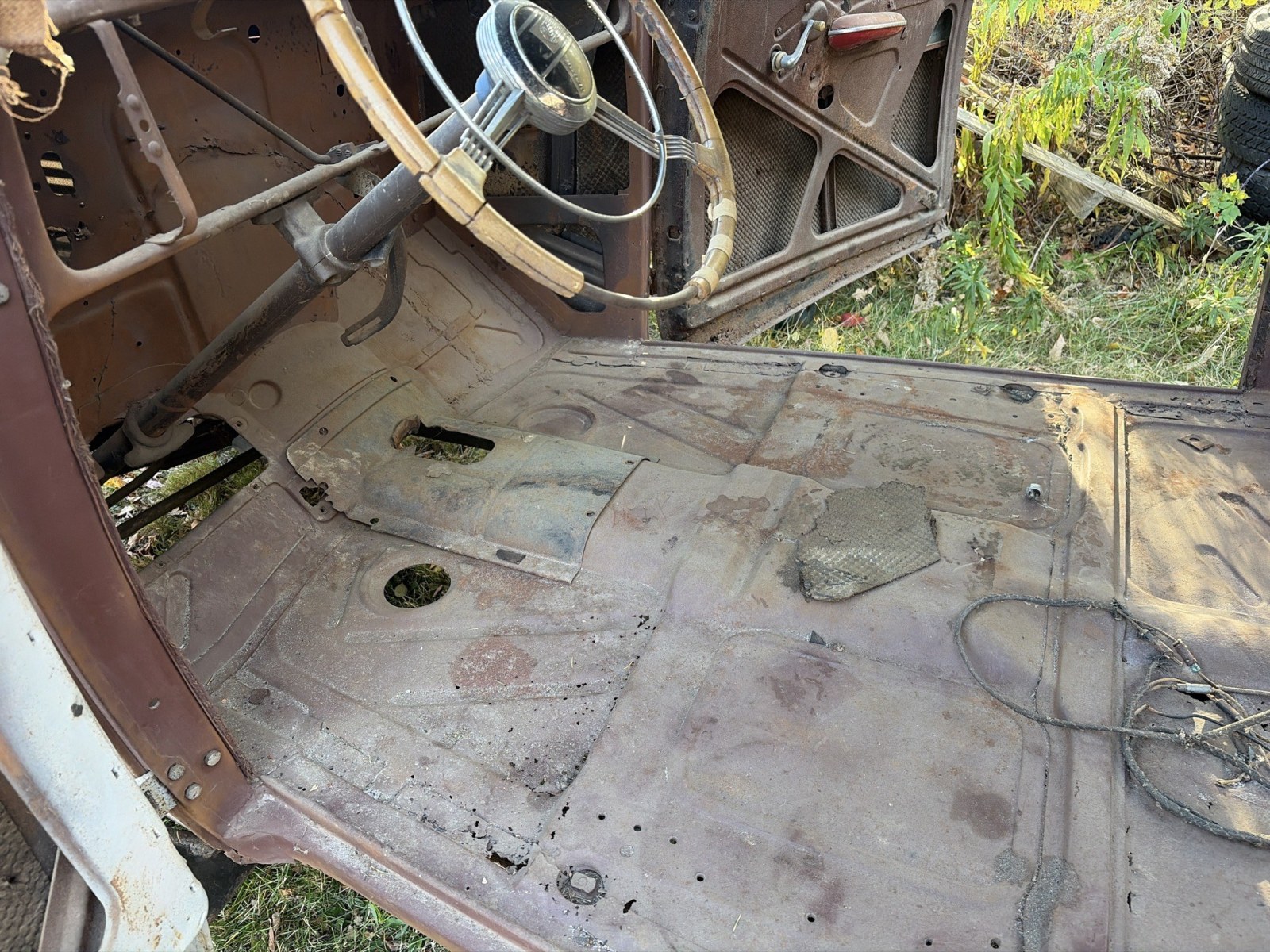
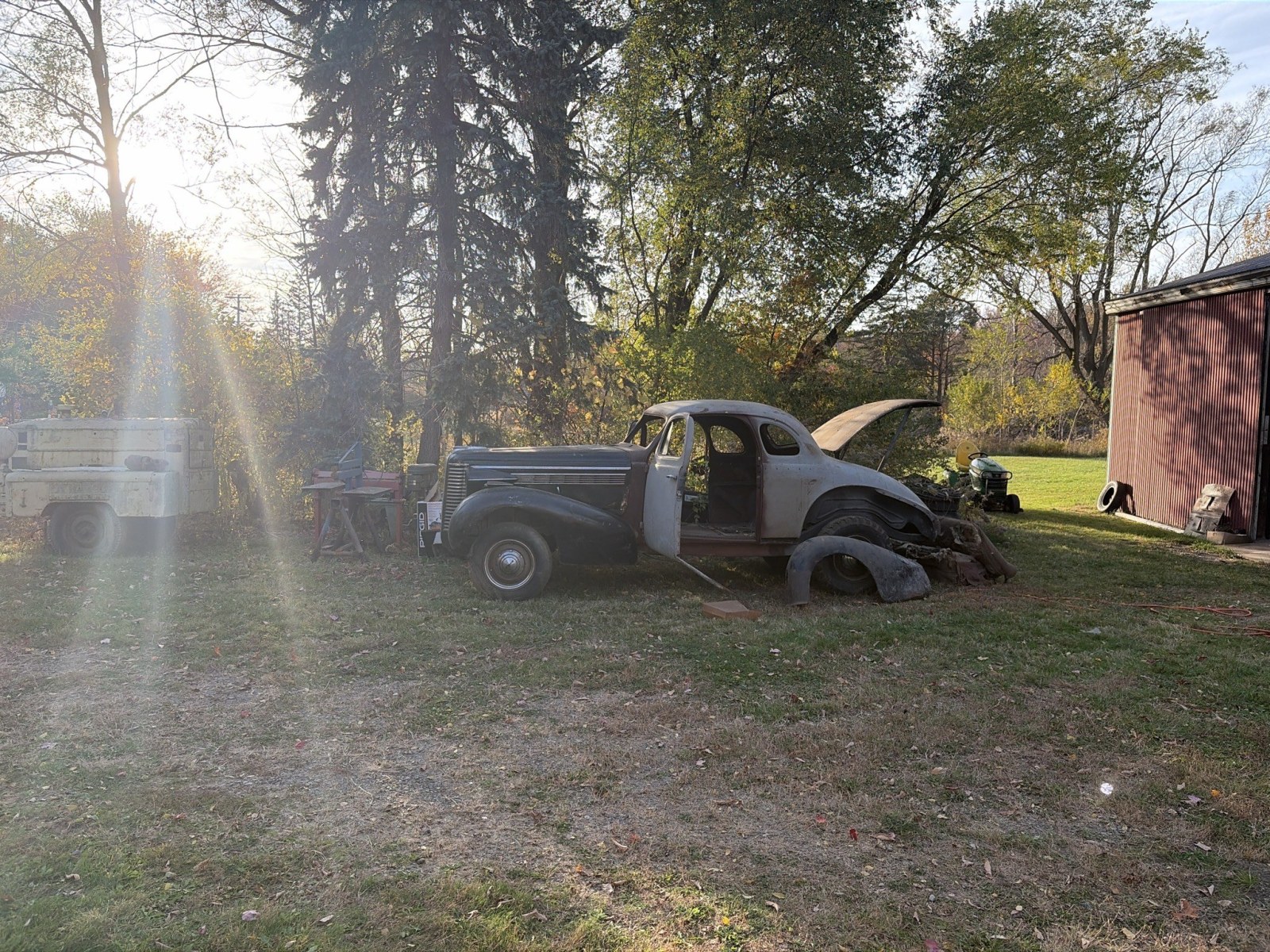
Original black, with primer where work was started. Photographed outdoors and in the barn, along with a yard shot of both cars.

Details
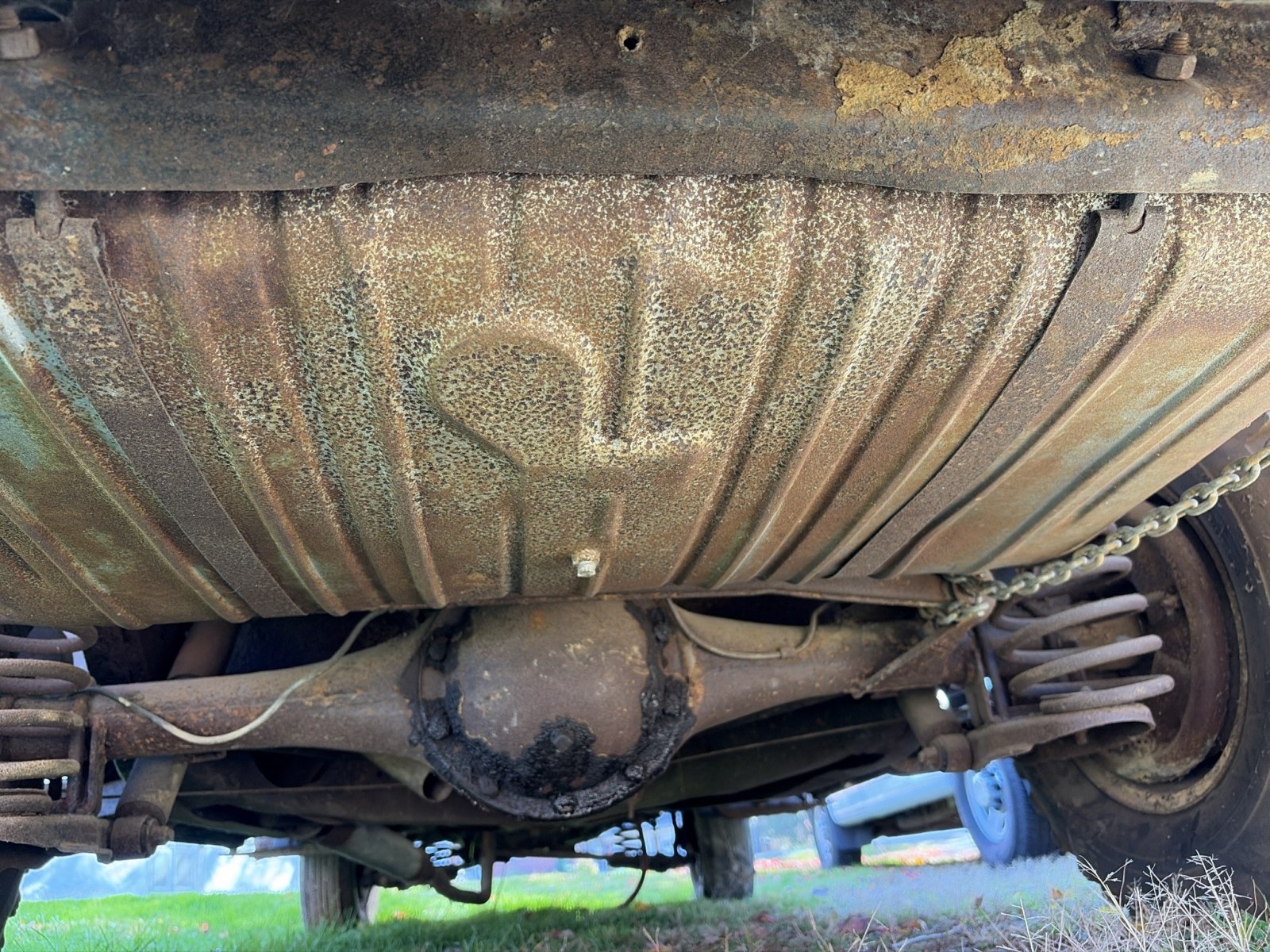
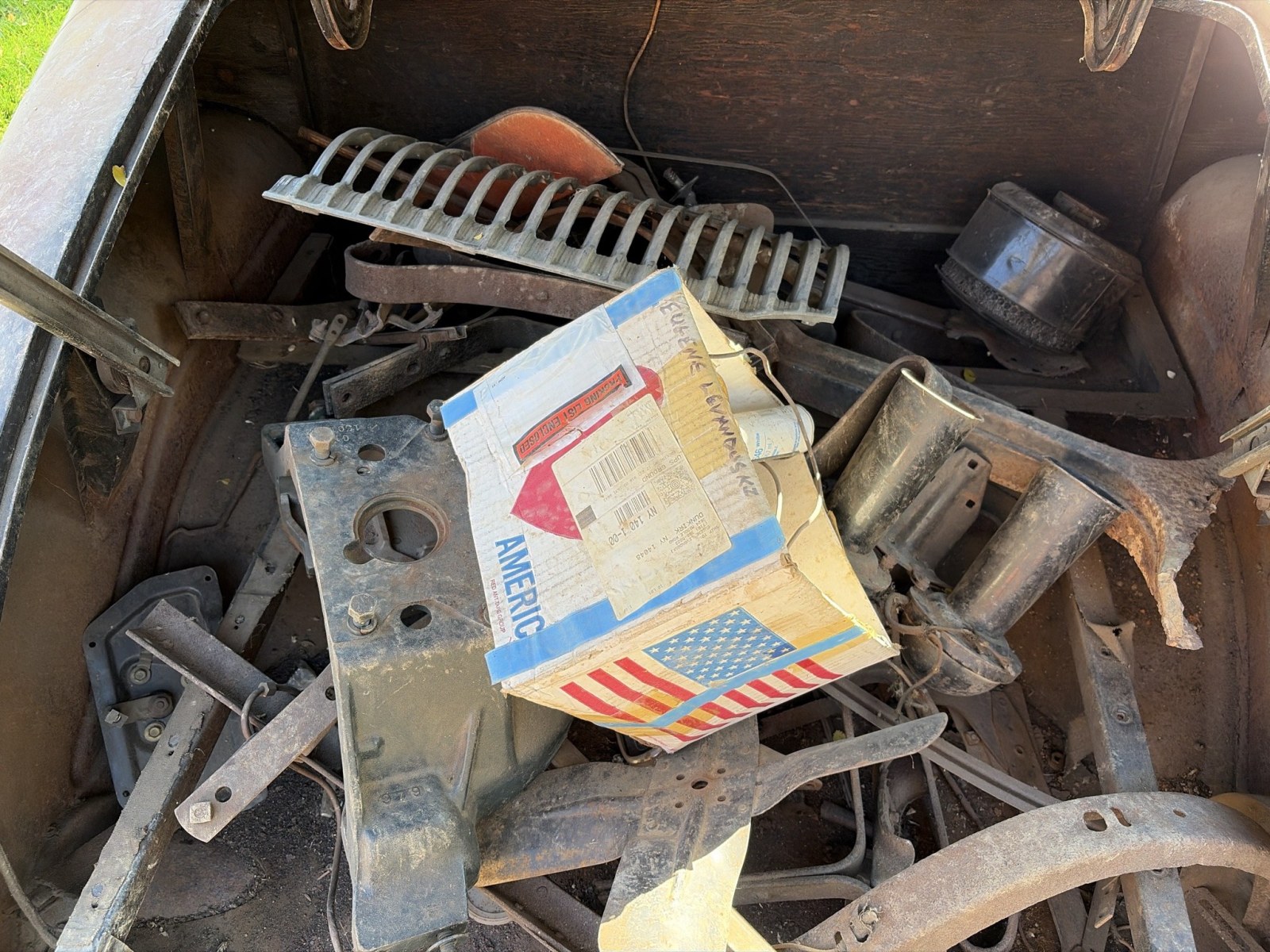
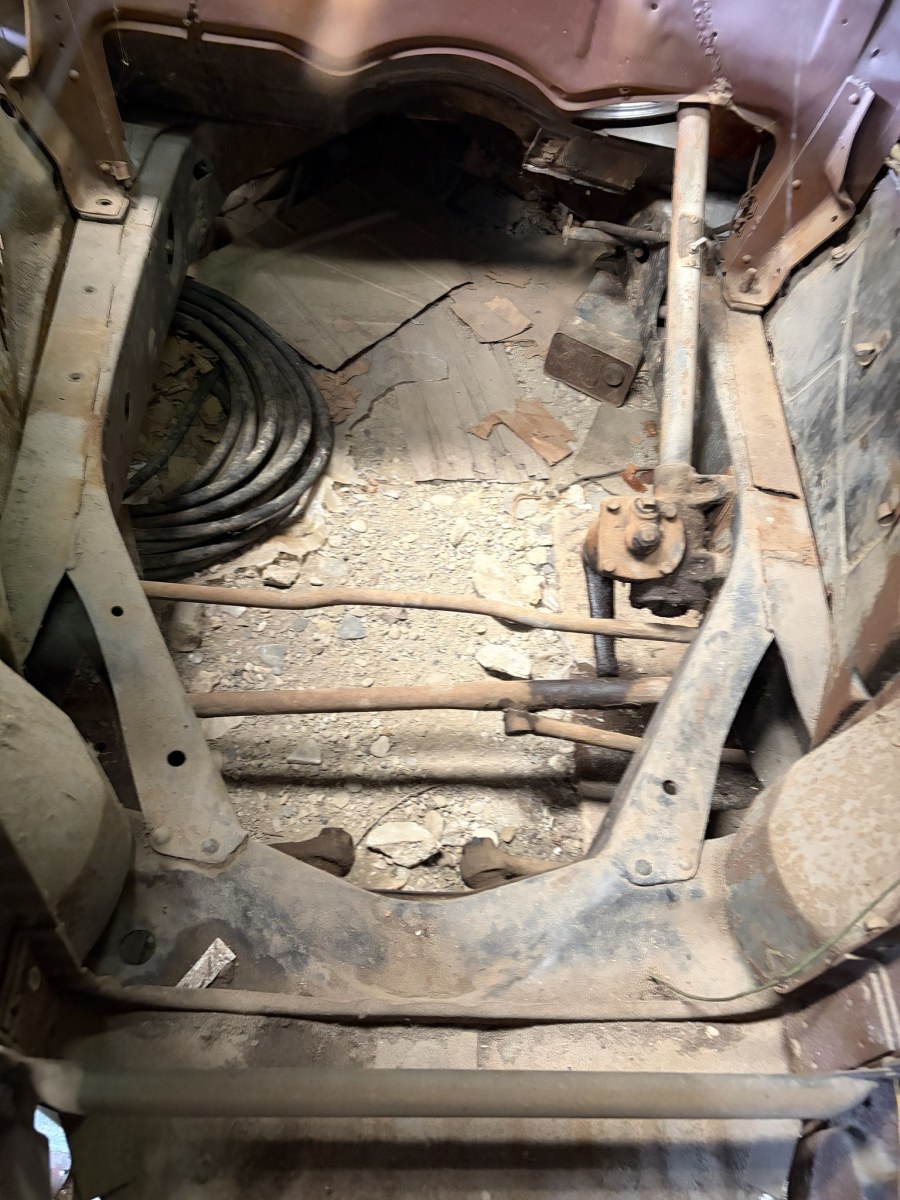
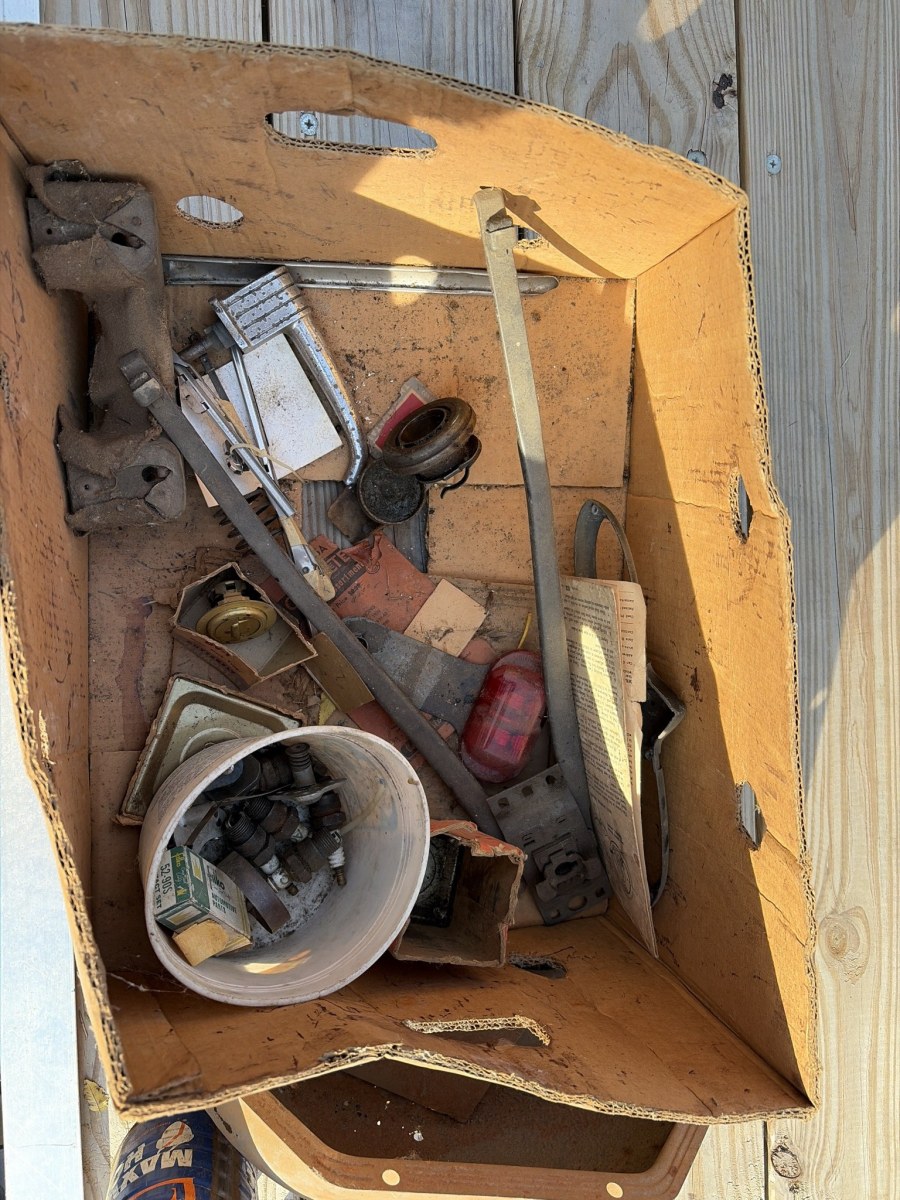
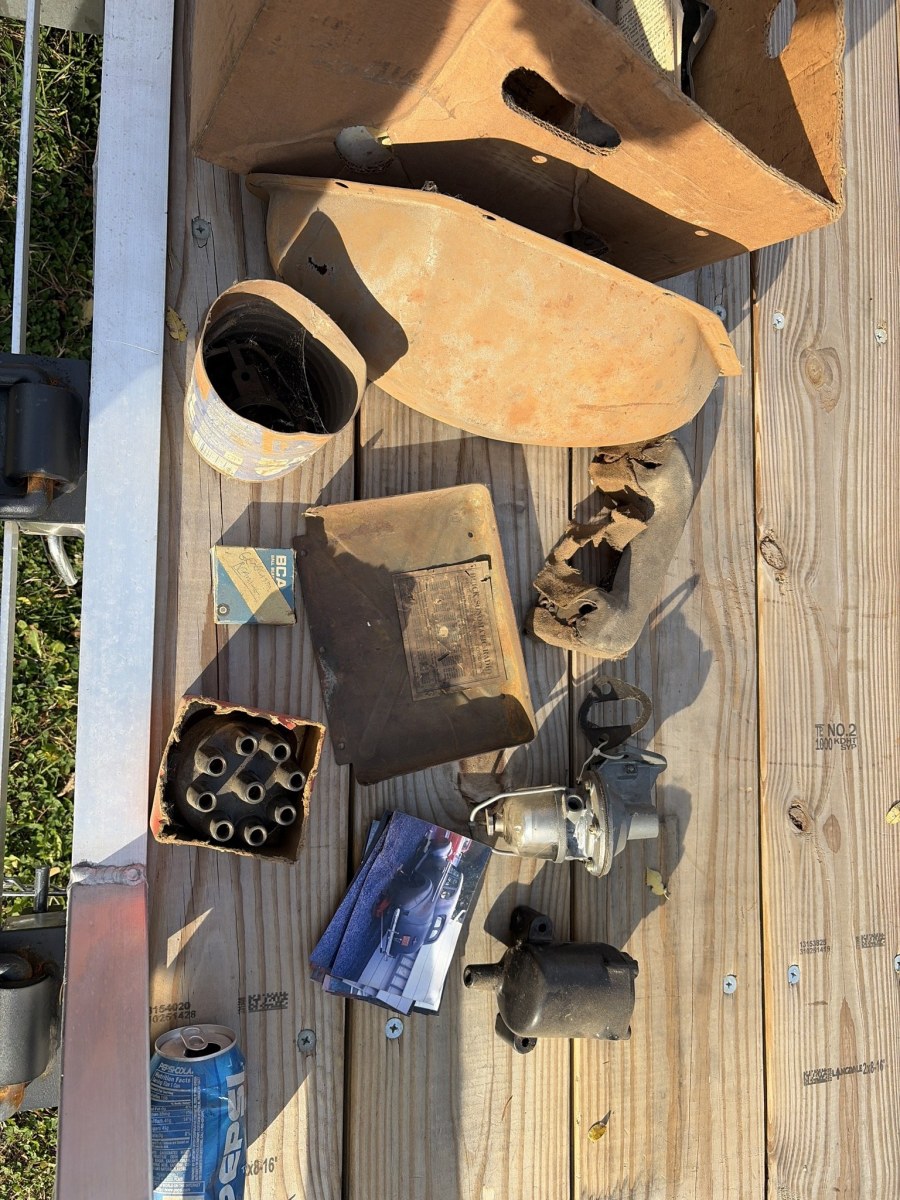
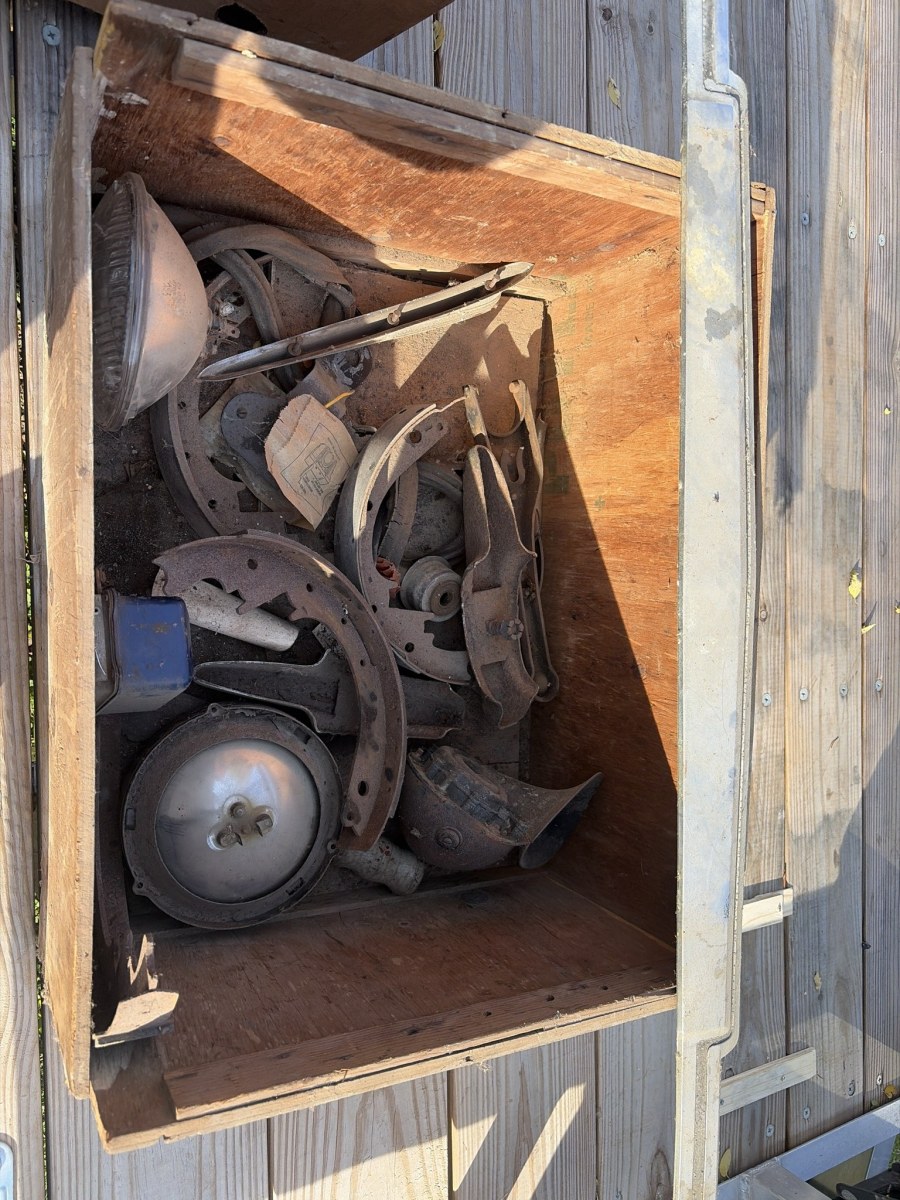
Underside, parts, and tool boxes photographed with the two coupes.
Leaving for its new home — Nov 1, 2026
One of the Specials heading out, photographed in the yard and as it was driven away.